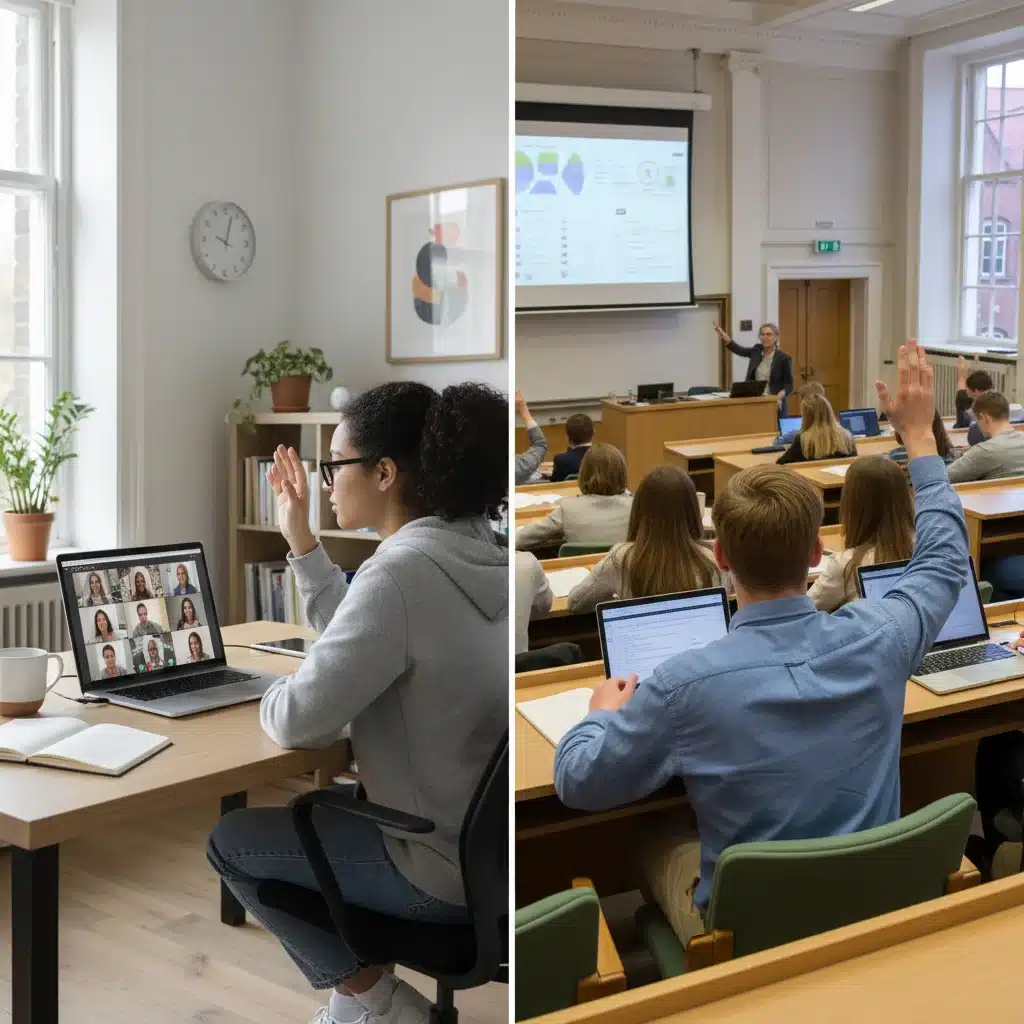
The landscape of higher education in the United States is continuously evolving, presenting students with more choices than ever before. As we look towards 2026, the fundamental decision between pursuing an online in-person degree program remains a pivotal one for aspiring college students. This choice is not merely about convenience; it encompasses a complex interplay of financial implications, learning styles, social development, and future career trajectories. Understanding the nuances of both modalities is crucial for making an informed decision that aligns with individual goals and circumstances.
For decades, the traditional in-person degree was the undisputed standard, offering a rich campus experience, direct interaction with professors, and a vibrant social scene. However, the rapid advancements in technology, accelerated by recent global events, have propelled online education into a formidable contender. What was once considered a niche alternative is now a mainstream option, complete with accredited programs from prestigious institutions. This comprehensive analysis aims to dissect the pros and cons of both the online in-person degree paths, providing U.S. higher education students with a clear framework for their 2026 academic journey.
The decision between an online in-person degree program is deeply personal, with no one-size-fits-all answer. Factors such as a student’s financial situation, geographical location, personal responsibilities, learning preferences, and career aspirations all play significant roles. This article will delve into various aspects, including cost-effectiveness, flexibility, academic rigor, social engagement, networking opportunities, and career outcomes, to help students navigate this critical choice. By examining these elements through the lens of a 2026 perspective, we hope to equip students with the knowledge necessary to confidently choose the path that best suits their educational and professional ambitions.
Let’s embark on this detailed comparison to illuminate the best path forward for your higher education journey in the coming years.
Understanding the Core Differences: Online vs. In-Person Degree Programs
At its heart, the distinction between an online in-person degree boils down to the delivery method of education. An in-person degree program typically involves attending classes on a physical campus, engaging in face-to-face interactions with peers and faculty, and utilizing on-campus resources like libraries, labs, and student centers. This traditional model emphasizes a structured schedule, direct mentorship, and a communal learning environment.
Conversely, an online degree program delivers coursework entirely or predominantly through digital platforms. Students access lectures, assignments, and discussions via the internet, often with the flexibility to complete work at their own pace within specified deadlines. Online programs can be synchronous (live virtual classes) or asynchronous (self-paced learning), offering varying degrees of flexibility. The rise of sophisticated learning management systems (LMS) and multimedia content has made online education increasingly robust and interactive, blurring the lines between the two modes.
The choice between an online in-person degree is more complex than simply where you attend classes. It impacts everything from your daily routine to your long-term career prospects. Students must consider their individual learning styles: are you someone who thrives in a structured, interactive classroom setting, or do you prefer the autonomy and self-discipline required for online learning? These foundational differences set the stage for a deeper exploration into the practical implications for students in 2026.
Cost-Effectiveness and Financial Aid for Both Paths
One of the most significant factors influencing a student’s decision between an online in-person degree is cost. While tuition fees for online and in-person programs can sometimes be comparable, the overall cost of attendance often differs substantially. In-person degrees typically incur additional expenses such as on-campus housing, meal plans, transportation, and various campus fees that contribute to the overall university experience. These costs can quickly accumulate, making traditional education a substantial financial commitment.
Online degrees, on the other hand, often present a more budget-friendly alternative. Students pursuing an online program can save significantly by eliminating housing and meal plan expenses. Commuting costs are non-existent, and many online programs offer competitive tuition rates. However, it’s important to note that online students still need reliable internet access, a suitable computer, and potentially specific software, which are necessary investments. Additionally, some online programs from prestigious institutions may have tuition rates similar to their on-campus counterparts, so thorough research is essential.
When it comes to financial aid, both online in-person degree programs are generally eligible for federal student aid, including grants, scholarships, and loans, provided the institution is accredited. However, the availability of specific institutional scholarships or work-study programs might vary. In-person students often have more opportunities for campus-based employment, which can help offset costs. Online students might need to explore more external scholarship opportunities or employer tuition reimbursement programs. Understanding the full financial picture, including all hidden costs and available aid, is paramount for making a sound decision.
Flexibility and Schedule Management
The allure of flexibility is a primary driver for many students opting for an online in-person degree. Online programs, especially asynchronous ones, allow students to tailor their study schedules around work, family commitments, or other personal responsibilities. This adaptability is particularly beneficial for non-traditional students, working professionals seeking career advancement, or individuals with geographical limitations. The ability to access lectures and submit assignments at any time, from anywhere, provides unparalleled autonomy.
In contrast, in-person degrees demand adherence to a fixed schedule of classes, labs, and seminars. While this structure can be beneficial for students who thrive on routine and external deadlines, it offers less flexibility for those with competing obligations. Commuting to campus, attending specific class times, and participating in scheduled group activities are non-negotiable aspects of the traditional experience. However, this structure can also foster better time management skills and prevent procrastination for some learners.
The choice between an online in-person degree based on flexibility depends heavily on a student’s lifestyle and self-discipline. Online learning requires a high degree of self-motivation and organizational skills to stay on track without the constant external prompts of a physical classroom. In-person learning, while less flexible, provides an inherent structure that can be supportive for students who need more external accountability. Evaluating your personal discipline and current life demands will be key in determining which model serves you best.
Academic Rigor and Learning Experience
A common misconception is that online degrees are less academically rigorous than in-person ones. In reality, accredited online in-person degree programs from reputable institutions typically maintain the same academic standards and curriculum. The core difference lies in the delivery of the content and the nature of student-faculty interaction.
In-person learning offers immediate, direct access to professors during class, office hours, and informal interactions. This facilitates spontaneous questions, in-depth discussions, and personalized feedback. Hands-on learning experiences, such as laboratory work, studio art, or clinical rotations, are often more seamlessly integrated into an in-person setting. The dynamic of a physical classroom can foster critical thinking through live debates and immediate peer feedback.

Online learning, while different, has evolved significantly to provide robust academic experiences. Modern online platforms incorporate interactive multimedia, virtual labs, discussion forums, and collaborative tools that simulate classroom engagement. Professors in online programs often dedicate specific virtual office hours and utilize various digital communication methods to provide support. While immediate verbal feedback might be less frequent, written feedback can be more detailed and reflective. The self-paced nature of many online courses can also allow students to delve deeper into topics at their own speed, leading to a profound understanding.
The quality of an online in-person degree program ultimately depends on the institution and the student’s engagement. Both formats can provide an excellent education, but the learning experience will feel distinct. Students should research specific programs and their accreditation to ensure academic quality, regardless of the delivery method.
Social Engagement and Networking Opportunities
Beyond academics, the college experience is often defined by social interactions and networking. This is an area where the distinction between an online in-person degree is particularly pronounced.
In-person degrees offer an unparalleled environment for social development. Living on campus, joining student organizations, participating in clubs, sports, and campus events fosters a vibrant social life and facilitates organic networking. These interactions lead to lifelong friendships, mentorships, and professional connections that can be invaluable. The serendipitous encounters and informal discussions outside of class are often as educational as the coursework itself, building crucial soft skills like communication, collaboration, and leadership.
Online degrees, by their nature, present a different social landscape. While virtual discussion boards, group projects, and video conferencing tools enable interaction, they often lack the spontaneity and depth of face-to-face encounters. Building strong social bonds and professional networks can require more intentional effort from online students. Many online programs are increasingly incorporating virtual social events, online student communities, and opportunities for local meet-ups to bridge this gap. However, it’s generally acknowledged that the traditional campus experience provides a richer and more immediate social fabric.
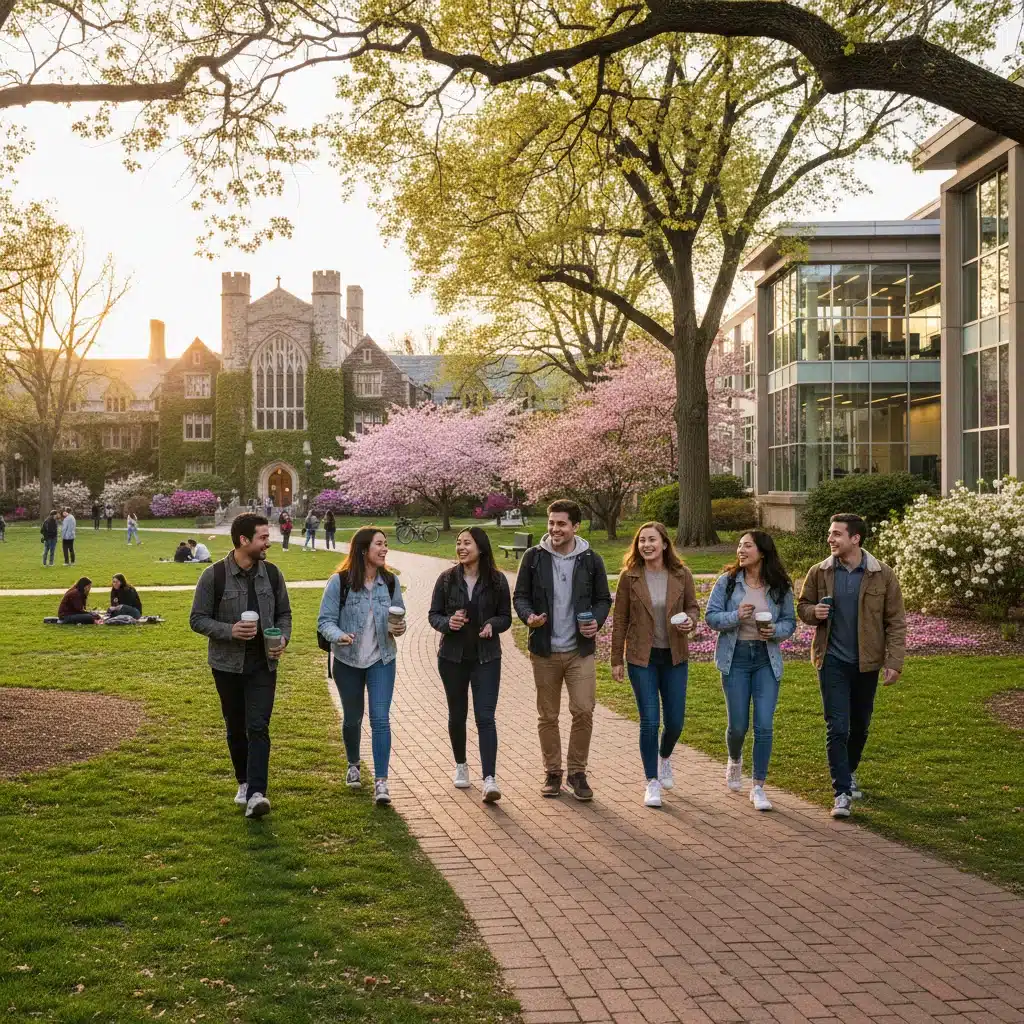
For students prioritizing a holistic social experience and extensive in-person networking, the traditional online in-person degree might be more appealing. For those who are already well-established in their social circles or prefer a more independent learning journey, the social aspect of online learning might be less of a concern. It’s crucial for students to assess their own social needs and preferences when making this choice.
Career Prospects and Employer Perception in 2026
A critical question for any student is how their chosen degree path will impact their career prospects. In 2026, the perception of an online in-person degree in the job market has largely equalized, particularly for accredited programs from reputable institutions.
Historically, there was a stigma associated with online degrees, with some employers questioning their rigor or legitimacy. However, as online education has matured and gained widespread acceptance, this perception has significantly shifted. Employers are increasingly focused on the skills and knowledge a candidate possesses, rather than the mode of delivery. Many employers even view online degrees favorably, seeing them as indicators of self-discipline, time management, and adaptability – qualities highly valued in today’s workforce.
For both online in-person degree graduates, the key to career success lies in the quality of their education, their practical skills, and their ability to articulate their learning experiences. Networking, internships, and extracurricular activities remain vital for all students. In-person students might have easier access to on-campus career services and local internship opportunities, but online students can leverage virtual career fairs, online professional networks, and remote internships to build their resumes.
Some specialized fields, particularly those requiring extensive hands-on training or professional licensure, might still lean towards preferring in-person components. However, even in these areas, hybrid models (combining online and in-person elements) are becoming more prevalent. When choosing between an online in-person degree, students should research the specific requirements and preferences within their desired industry and consider how each format can best prepare them for their chosen career path.
Hybrid Models: The Best of Both Worlds?
As the educational landscape continues to evolve, hybrid degree programs are emerging as a popular middle ground, offering a blend of both online in-person degree elements. These programs typically combine online coursework with periodic on-campus sessions, intensive workshops, or specific in-person requirements like labs or clinicals. This model attempts to leverage the flexibility of online learning while retaining the benefits of face-to-face interaction and access to campus resources.
Hybrid programs can be particularly appealing to students who desire some level of in-person engagement but require the flexibility that a fully online program offers. They allow students to balance personal and professional commitments while still experiencing some aspects of campus life and direct interaction with peers and faculty. For disciplines that traditionally rely heavily on hands-on experience, a hybrid approach can provide a practical solution, ensuring students gain necessary skills without requiring full-time campus residency.
The rise of hybrid models signifies a growing recognition that the future of higher education is not necessarily an either/or proposition between an online in-person degree. Instead, it’s about creating flexible, high-quality learning experiences that cater to a diverse student body with varying needs and preferences. As we move towards 2026, expect to see even more innovative hybrid structures emerge, further blurring the lines and offering students more tailored educational pathways.
Making the Right Choice for Your 2026 Academic Journey
Choosing between an online in-person degree program is a significant decision that will shape your academic experience and future career. There is no universally correct answer; the ideal choice depends entirely on your individual circumstances, learning style, financial situation, and long-term aspirations. To make an informed decision, consider the following:
- Self-Assessment: Honestly evaluate your learning style. Do you thrive in a structured, interactive classroom, or are you self-motivated and disciplined enough for independent online study?
- Financial Realities: Calculate the total cost of attendance for both options, including tuition, fees, housing, transportation, and living expenses. Explore all available financial aid opportunities for each path.
- Life Circumstances: Consider your current responsibilities. Do you have a job, family commitments, or other obligations that necessitate a flexible schedule?
- Social Needs: How important is the traditional college social experience and in-person networking to you? Are you comfortable building connections virtually?
- Career Goals: Research the requirements and preferences of your desired industry. Will an online in-person degree adequately prepare you for your chosen profession?
- Program Quality: Regardless of the delivery method, prioritize accredited programs from reputable institutions. Look into graduation rates, faculty credentials, and alumni success stories.
- Technological Readiness: For online programs, ensure you have reliable internet access, the necessary technology, and a comfortable, distraction-free study environment.
By carefully weighing these factors, U.S. higher education students in 2026 can confidently navigate the complexities of choosing between an online in-person degree. Both paths offer unique advantages and challenges, and both can lead to a successful and fulfilling academic and professional life. The most important thing is to choose the option that best supports your personal growth, educational goals, and future ambitions.
Conclusion: Embracing the Future of Higher Education
The debate between an online in-person degree is no longer about which is superior, but rather which is the most suitable fit for an individual student. The year 2026 solidifies the fact that both modalities are legitimate, valuable, and increasingly sophisticated forms of higher education. Online learning has shed its nascent reputation and now stands as a robust alternative, offering unparalleled flexibility and often greater affordability. Simultaneously, the enduring value of the traditional in-person experience, with its rich social fabric and direct engagement, continues to attract countless students.
For U.S. higher education students, the decision point is a moment of self-reflection and strategic planning. It requires a thorough understanding of one’s own learning preferences, financial capabilities, and career aspirations. Whether you envision yourself walking across a bustling campus, engaging in lively classroom discussions, or prefer the focused, self-directed study from the comfort of your home, the opportunities are abundant.
Ultimately, the most successful students, whether pursuing an online in-person degree, are those who are proactive, engaged, and committed to their academic journey. Embrace the evolving landscape of higher education, leverage the resources available, and choose the path that empowers you to achieve your fullest potential. The future of learning is diverse, inclusive, and ready for you to shape it.
