
Your Right to Repair: Navigating Manufacturer Restrictions in 2026 (INSIDER KNOWLEDGE)
The year 2026 marks a pivotal moment in the ongoing battle for the right to repair. What began as a grassroots movement has evolved into a significant legislative and consumer advocacy push, challenging the established practices of manufacturers who often make it difficult, if not impossible, for consumers and independent repair shops to fix their own products. This comprehensive guide will delve into the current landscape of the right to repair, offering insider knowledge on how to navigate manufacturer restrictions and empower yourself in an increasingly complex technological world.
The Evolving Landscape of the Right to Repair in 2026
The concept of the right to repair is simple: consumers should have the ability to fix their own products, or have them fixed by a repair shop of their choosing, without undue interference from manufacturers. This includes access to parts, tools, and diagnostic information. For years, manufacturers have employed various tactics to restrict repair, from proprietary screws and glued-down components to software locks and limited parts distribution. However, 2026 is seeing a significant shift.
Legislative Progress and Global Impact
Several jurisdictions, including various states in the US, the European Union, and even some countries in Asia, have enacted or are in the process of enacting robust right to repair legislation. These laws vary in scope but generally aim to:
- Mandate access to parts: Manufacturers are increasingly required to make spare parts available to consumers and independent repair shops at fair and reasonable prices.
- Provide repair manuals and schematics: Essential diagnostic tools and service information, once exclusive to authorized service centers, are becoming more accessible.
- Loosen software restrictions: Laws are beginning to address software-based limitations that prevent third-party repairs or component swaps.
- Extend product longevity: The ultimate goal is to reduce electronic waste and promote a more sustainable consumption model by extending the lifespan of products.
This global momentum is creating a domino effect, pressuring even reluctant manufacturers to reconsider their policies. Understanding these legislative changes is crucial for anyone looking to exercise their right to repair effectively.
Understanding Manufacturer Restrictions: The Current Challenges
Despite legislative advancements, manufacturers continue to implement sophisticated strategies to control the repair ecosystem. These restrictions often fall into several categories:
Proprietary Parts and Tools
Many companies design their products with proprietary components that are difficult or impossible to source outside of their authorized channels. This includes custom-designed screws, integrated circuits, and unique connectors. Furthermore, specialized tools, often expensive and only sold to authorized service providers, create a barrier to entry for independent repairers. This practice directly undermines the spirit of the right to repair.
Software Locks and Pairing
Modern electronics are heavily reliant on software. Manufacturers are increasingly using software to ‘pair’ components, meaning a replacement part (even an original one) might not function correctly unless it’s authenticated by the manufacturer’s software. This is particularly prevalent in smartphones, laptops, and even home appliances, making even simple component swaps a complex, manufacturer-dependent task. This digital barrier is a significant hurdle for the right to repair movement.
Warranty Voidance Clauses
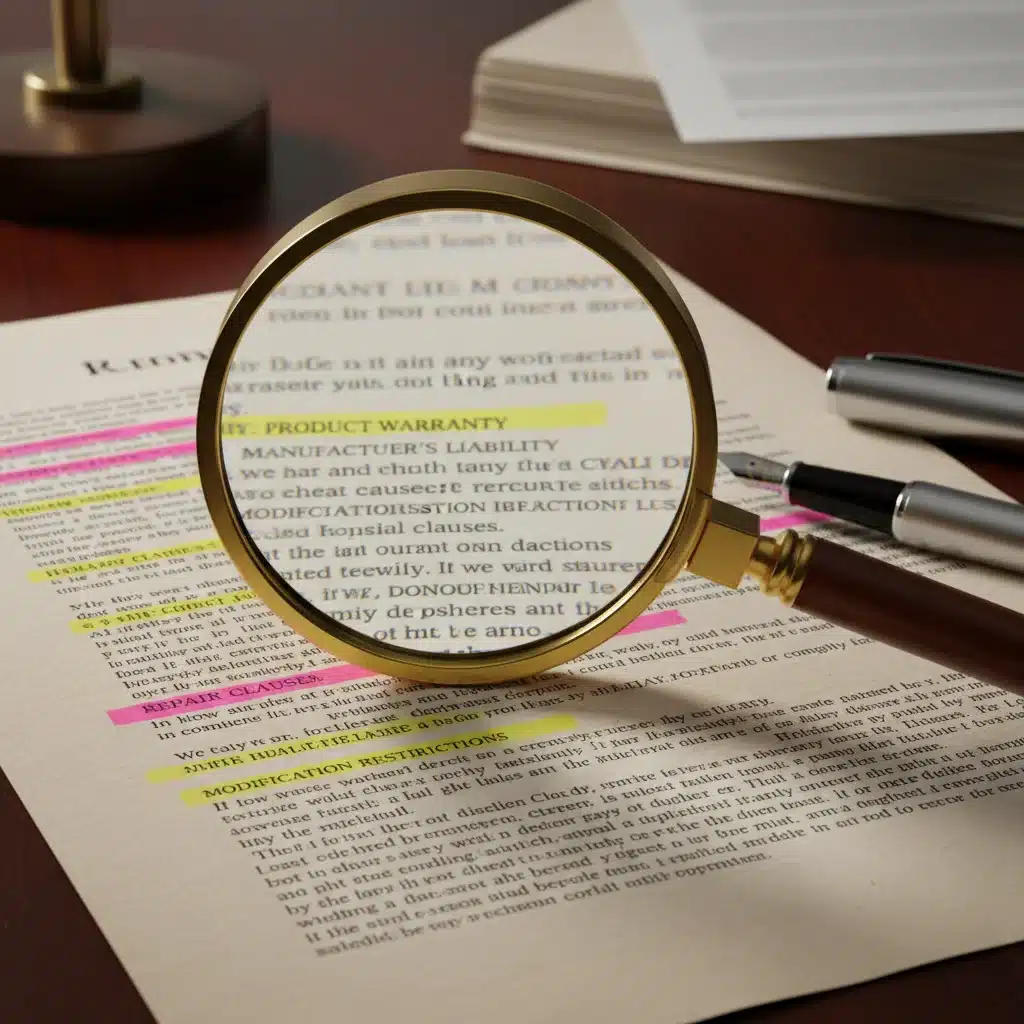
Historically, manufacturers have used warranty voidance clauses to discourage independent repair. The threat of voiding a warranty for non-authorized repairs has been a powerful deterrent for consumers. While new legislation is challenging these clauses, many consumers remain unaware of their consumer rights, leading to unnecessary reliance on expensive official repair services. Understanding what truly voids a warranty versus what is simply a scare tactic is key to asserting your right to repair.
Insider Knowledge: Navigating the Repair Landscape in 2026
With the shifting tides of the right to repair, consumers and independent repair shops have more tools and knowledge at their disposal than ever before. Here’s how to navigate the complexities:
Know Your Rights: Research Local and National Laws
The first step is to be informed. Research the specific right to repair laws in your region. Websites dedicated to consumer rights and advocacy groups often provide up-to-date information on legislation. These laws can vary significantly, so understanding the specifics for your location is paramount. For instance, some laws might cover only specific product categories (e.g., electronics, agricultural equipment), while others are broader. Being aware of these details can give you leverage when dealing with manufacturers or seeking repair options.
Seek Out Independent Repair Communities and Resources
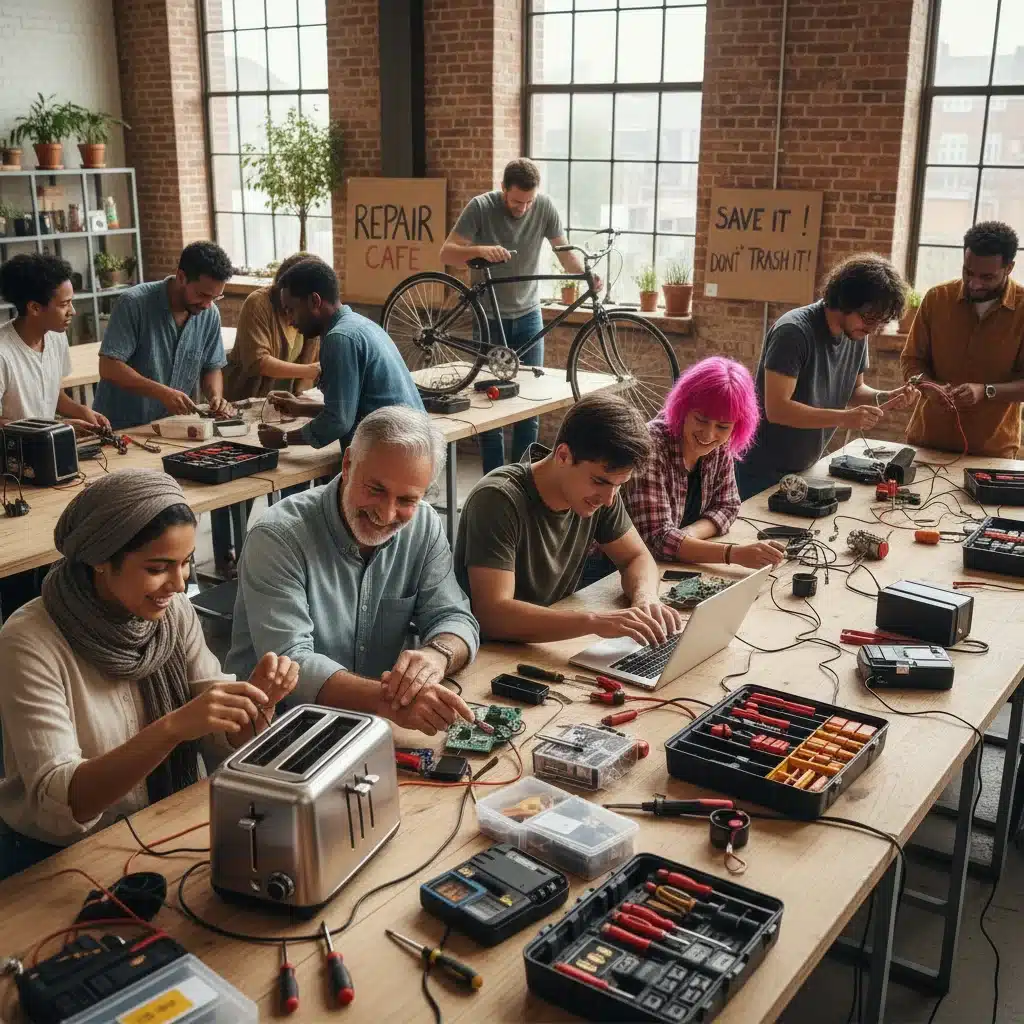
The right to repair movement has fostered a thriving ecosystem of independent repair communities. Online forums, local repair cafes, and specialized websites offer a wealth of information, from detailed repair guides and schematics to sourcing for compatible parts. These communities are often passionate about sharing knowledge and empowering individuals to take control of their devices. Engaging with these groups can provide invaluable support and practical advice, often revealing workarounds for manufacturer-imposed restrictions.
Demand Transparency from Manufacturers
As a consumer, your voice matters. When purchasing new products, actively seek out manufacturers who openly support the right to repair. Look for companies that provide easily accessible parts, manuals, and diagnostic tools. Ask questions about their repair policies before making a purchase. Your purchasing decisions can influence corporate behavior and encourage more manufacturers to embrace repairability. Support brands that prioritize product longevity and sustainability, aligning with the core tenets of the right to repair.
Utilize Third-Party Parts and Tools (Where Legal and Safe)
With increased demand, the market for third-party parts and tools is growing. While it’s essential to ensure quality and safety, many reputable third-party suppliers offer viable alternatives to expensive OEM (Original Equipment Manufacturer) parts. Always prioritize certified or well-reviewed components to avoid further damage. For tools, investing in a good quality, generic toolkit can often suffice for many common repairs, circumventing the need for proprietary manufacturer-specific tools. This aspect of the right to repair is crucial for cost-effective solutions.
The Economic and Environmental Benefits of the Right to Repair
Beyond individual empowerment, the widespread adoption of the right to repair carries significant societal benefits:
Reducing Electronic Waste (E-Waste)
One of the most pressing environmental concerns of our time is the proliferation of e-waste. When products are designed to be difficult or impossible to repair, they are often discarded prematurely, contributing to landfills filled with hazardous materials. The right to repair directly combats this by extending the lifespan of electronics, reducing the volume of waste, and conserving valuable resources that would otherwise be needed to manufacture new devices. This aligns perfectly with global sustainability goals.
Promoting a Circular Economy
The right to repair is a cornerstone of the circular economy, a model of production and consumption that involves sharing, leasing, reusing, repairing, refurbishing, and recycling existing materials and products for as long as possible. By enabling repair, we keep products in use longer, reducing the need for new raw materials and minimizing environmental impact. This contrasts sharply with the traditional linear ‘take-make-dispose’ model.
Boosting Local Economies and Job Creation
A robust repair ecosystem supports local businesses and creates skilled jobs. Independent repair shops, often small and medium-sized enterprises, provide accessible and affordable repair services. This not only keeps money circulating within local communities but also fosters a new generation of technicians skilled in diagnostics and repair, contributing to economic resilience. The right to repair isn’t just about fixing gadgets; it’s about building stronger communities.
Cost Savings for Consumers
Perhaps the most immediate benefit for individual consumers is cost savings. Repairing a device is almost always cheaper than replacing it, especially for minor issues. The ability to choose between official service centers, independent shops, or even DIY repair gives consumers more control over their expenses. This financial empowerment is a key driver behind the growing support for the right to repair.
The Future of Repair: What to Expect Beyond 2026
The right to repair movement is not static; it’s continuously evolving. Looking beyond 2026, we can anticipate several key trends and developments:
Increased Standardization and Modular Design
As legislation strengthens, there will be growing pressure on manufacturers to adopt more standardized components and modular designs. This would make repairs significantly easier, as parts could be swapped out without complex desoldering or specialized tools. Imagine a future where a laptop’s battery, screen, or even motherboard could be easily upgraded or replaced by the user, thanks to universal designs and readily available components. This would be a triumph for the right to repair.
Expansion to More Product Categories
Currently, much of the right to repair focus is on consumer electronics. However, we can expect the movement to expand to other product categories, including home appliances, medical devices, and even automotive components. The principle of ownership and the ability to repair should apply broadly, ensuring that consumers have control over all products they purchase, regardless of their complexity.
Enhanced Digital Access to Information
Beyond just providing physical parts, the future of the right to repair will involve comprehensive digital access to repair information. This includes interactive 3D models for disassembly, augmented reality (AR) repair guides, and AI-powered diagnostic tools accessible to everyone. This democratization of knowledge will further empower both professional repairers and DIY enthusiasts.
Stronger Enforcement and Penalties for Non-Compliance
As right to repair laws mature, governments will likely implement stronger enforcement mechanisms and impose significant penalties for manufacturers who fail to comply. This will ensure that the legislation has real teeth and effectively changes corporate behavior, rather than simply being a set of recommendations. This shift will solidify the gains made by the right to repair advocates.
Empowering Yourself: Practical Steps for the Consumer
While the legislative battle for the right to repair continues, there are immediate practical steps you can take to empower yourself:
- Document Everything: If you’re attempting a DIY repair or using an independent shop, keep records of communication, parts purchased, and steps taken. This can be useful if you encounter issues or need to assert your rights.
- Start Small: Don’t jump into complex repairs immediately. Begin with simpler fixes like replacing a battery or a screen. Gaining confidence and experience will make more challenging repairs seem less daunting.
- Invest in Quality Tools: A good set of precision screwdrivers, spudgers, and a heat gun can make a world of difference. Cheap tools can strip screws or damage delicate components.
- Back Up Your Data: Always, always back up your data before attempting any repair, especially for devices like smartphones and computers.
- Join the Movement: Support advocacy groups and organizations that champion the right to repair. Your collective voice can make a significant impact on future legislation and manufacturer policies.
Conclusion: The Future is Repairable
The right to repair in 2026 is no longer a fringe idea; it’s a mainstream movement gaining significant traction. While manufacturer restrictions still pose challenges, the increasing legislative support, growing consumer awareness, and the burgeoning independent repair community are tipping the scales. By understanding your rights, utilizing available resources, and demanding transparency, you can play an active role in shaping a more sustainable, equitable, and repairable future. Embrace the power of the right to repair and take control of your devices – and your wallet.
