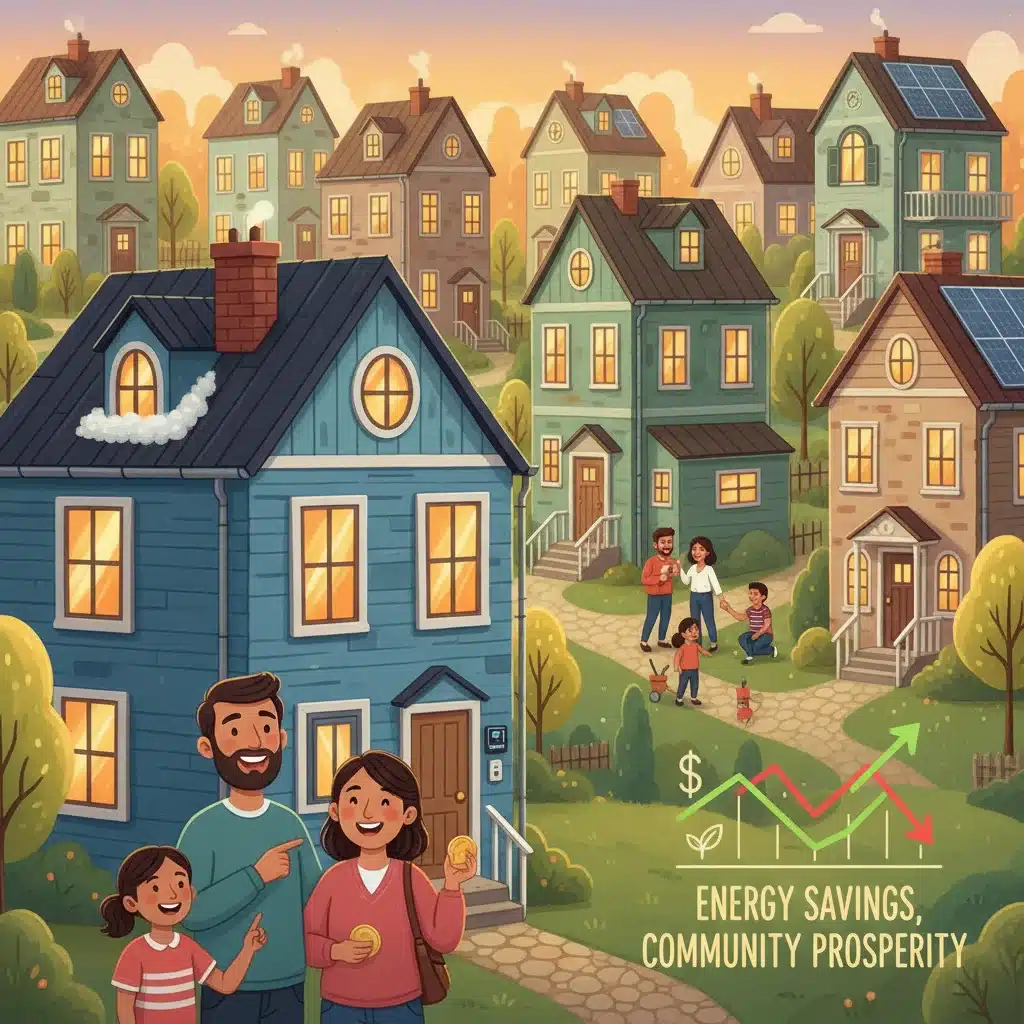
In an era defined by fluctuating energy prices and a growing imperative for sustainable living, the push for energy efficiency has never been more critical. For countless households across the United States, the burden of high energy bills significantly impacts their financial stability. Recognizing this profound challenge, federal weatherization programs have emerged as a cornerstone initiative, aiming to deliver tangible relief and foster long-term energy independence. The ambitious target? A remarkable 20% reduction in energy costs by 2026 through robust federal community weatherization programs.
This isn’t merely an aspirational goal; it’s a strategic pathway designed to alleviate financial strain, enhance residential comfort, and significantly reduce the nation’s carbon footprint. By investing in comprehensive home energy improvements, these programs empower communities, creating healthier, more resilient living environments. This article delves into the intricacies of these programs, exploring their mechanics, the financial and environmental benefits they promise, and the roadmap to achieving this ambitious 20% energy cost reduction by 2026.
The journey towards a more energy-efficient future is a collective endeavor, and federal weatherization programs are at the forefront, catalyzing change at the grassroots level. Understanding their impact is crucial for every homeowner, community leader, and policy maker.
The Foundation of Federal Weatherization Programs
At its core, the Weatherization Assistance Program (WAP) is the largest residential energy efficiency program in the nation, providing low-income households with essential upgrades to reduce their energy bills. Established in 1976, WAP has a long-standing history of improving the energy efficiency of homes, particularly for vulnerable populations such as the elderly, individuals with disabilities, and families with young children. These federal weatherization programs are not just about insulation; they encompass a holistic approach to home energy performance.
The program operates through a network of state and local agencies, community action agencies, and non-profit organizations. These entities receive federal funding to provide weatherization services to eligible households. The services typically include comprehensive energy audits, which identify the most cost-effective energy-saving measures for each home. Based on these audits, trained professionals install improvements such as sealing air leaks, adding insulation to attics, walls, and floors, repairing or replacing inefficient heating and cooling systems, and addressing health and safety concerns like carbon monoxide detection and ventilation.
The beauty of federal weatherization programs lies in their data-driven approach. Energy audits utilize advanced diagnostic tools, like blower doors and infrared cameras, to pinpoint areas of heat loss and air infiltration. This scientific methodology ensures that investments are targeted where they will yield the greatest energy savings and return on investment. The ultimate goal is to make homes more energy-efficient, thereby reducing the financial burden of energy costs for residents.
Over the decades, WAP has demonstrated a remarkable track record of success, saving billions of dollars in energy costs for families and significantly contributing to environmental protection by reducing greenhouse gas emissions. The program’s longevity and continuous adaptation to new technologies and energy challenges underscore its vital role in the nation’s energy strategy. The commitment to achieving a 20% reduction in energy costs by 2026 through these federal weatherization programs represents an escalation of this already impactful initiative, reflecting an urgent need for greater energy resilience and affordability.
The Financial Impact: Why 20% Matters
A 20% reduction in energy costs by 2026 is not merely a statistical benchmark; it represents a profound financial transformation for millions of households. For low-income families, where energy bills can consume a disproportionately large share of their budget, a 20% saving can free up significant funds for other necessities like food, healthcare, or education. This directly translates into enhanced financial stability and improved quality of life.
Consider a household spending $200 per month on energy. A 20% reduction means saving $40 each month, or $480 annually. While this might seem modest to some, for families living paycheck to paycheck, this amount can be a lifeline. It can mean the difference between paying a utility bill on time and falling behind, or between affording essential groceries and going without. The cumulative effect across thousands, even millions, of households is staggering, injecting billions of dollars back into local economies.
Beyond individual households, the financial impact extends to the broader community. Reduced energy consumption lessens the strain on local power grids, potentially delaying the need for costly infrastructure upgrades. It also mitigates the effects of energy price volatility, providing a buffer against sudden spikes that can destabilize household budgets and local economies. Furthermore, the weatherization process itself creates jobs in local communities, from energy auditors and installers to administrative staff, contributing to economic growth and workforce development.
The investment in federal weatherization programs is not just an expenditure; it’s an investment with a significant return. Studies have consistently shown that for every dollar invested in weatherization, there is a return of several dollars in energy savings and other benefits, including improved health outcomes due to better indoor air quality and reduced exposure to extreme temperatures. This makes the 20% target by 2026 not just an ambitious goal, but a fiscally responsible and socially equitable objective.
How Federal Weatherization Programs Achieve Savings
Achieving a 20% reduction in energy costs requires a multi-faceted approach, meticulously planned and executed through federal weatherization programs. The process begins with a comprehensive energy audit, a critical first step that identifies specific inefficiencies within a home. This audit goes beyond a simple visual inspection, employing advanced diagnostic tools to quantify energy loss.
One of the primary tools is the blower door test, which depressurizes a home to locate air leaks that allow conditioned air to escape and unconditioned air to enter. Infrared cameras are also used to visualize temperature differences, revealing areas where insulation is inadequate or missing. These precise measurements allow weatherization professionals to prioritize improvements based on their cost-effectiveness and potential for energy savings.
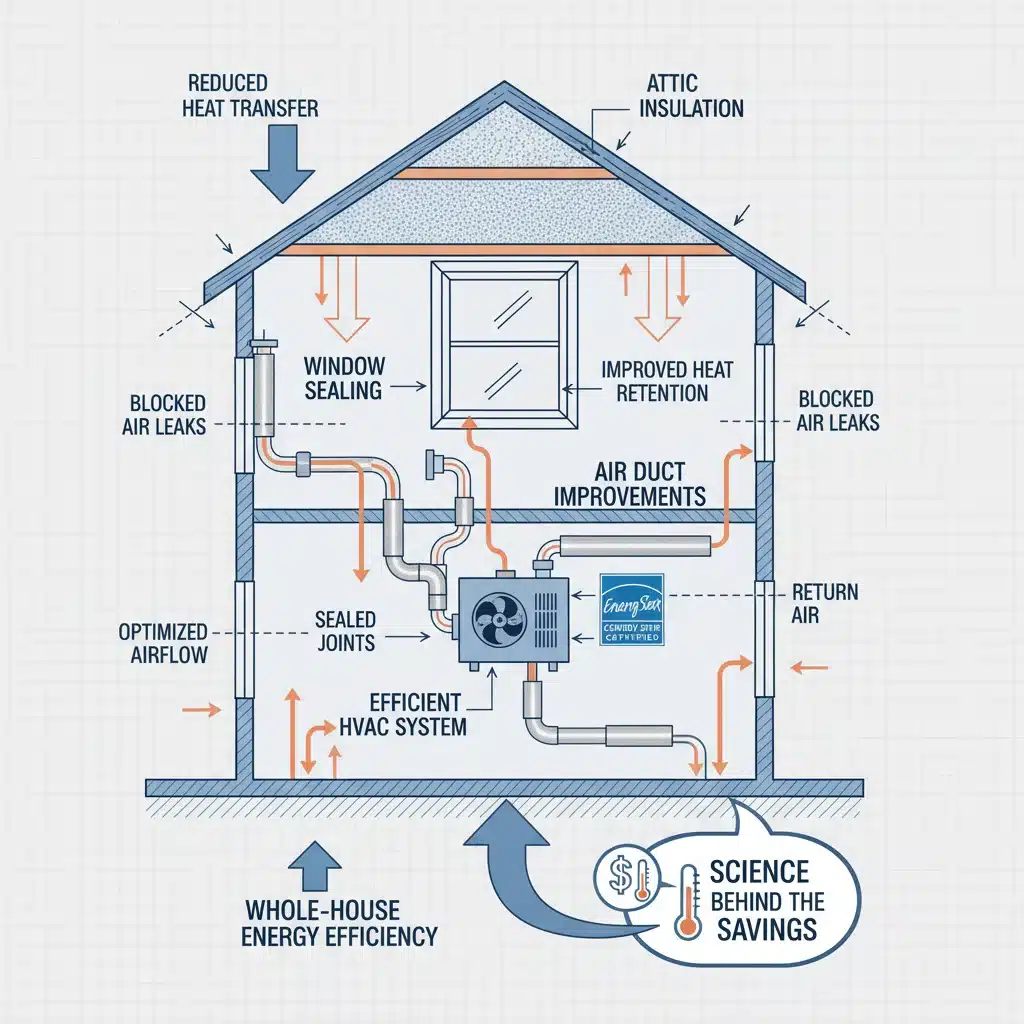
Key weatherization measures typically include:
- Air Sealing: This is often the most cost-effective measure. Sealing cracks and gaps around windows, doors, pipes, and electrical outlets prevents drafts and reduces heat loss in winter and heat gain in summer.
- Insulation Upgrades: Adding insulation to attics, walls, and crawl spaces significantly improves a home’s thermal envelope, reducing the amount of energy needed to heat and cool the living space.
- Duct Sealing and Repair: Leaky ducts can waste a substantial amount of conditioned air. Sealing and insulating ducts ensure that heated or cooled air reaches its intended destination efficiently.
- Heating and Cooling System Improvements: In some cases, repairing or replacing inefficient furnaces, boilers, or air conditioners with more energy-efficient models can lead to substantial savings.
- Window and Door Repair/Replacement: While less common due to higher costs, addressing severely inefficient windows and doors can also contribute to overall energy savings.
- Health and Safety Measures: This includes installing carbon monoxide detectors, repairing dangerous heating systems, and ensuring proper ventilation to improve indoor air quality and safety.
The success of federal weatherization programs hinges on the expertise of trained professionals who implement these measures. These individuals are not just contractors; they are energy efficiency specialists who understand building science and apply best practices to ensure long-lasting results. Their work transforms homes into more comfortable, healthier, and significantly more energy-efficient environments, directly contributing to the 20% energy cost reduction target.
Community-Level Impact and Broader Benefits
While the direct financial savings for individual households are compelling, the impact of federal weatherization programs resonates far beyond the walls of a single home, fostering significant community-level benefits. The emphasis on ‘community’ in federal community weatherization programs is crucial, as these initiatives are designed to uplift entire neighborhoods and regions.
One of the most immediate community benefits is job creation. The implementation of weatherization projects requires a skilled workforce, including energy auditors, insulation installers, HVAC technicians, and administrative support staff. These jobs are often local, providing employment opportunities and contributing to the economic vitality of the areas served. Training programs associated with WAP also equip individuals with valuable skills, fostering career development within the green energy sector.
Furthermore, by reducing the overall energy demand within a community, these programs contribute to grid stability and energy security. Less strain on the electrical grid, especially during peak demand periods, can help prevent blackouts and reduce the need for expensive new power plant construction. This benefits all residents, even those not directly participating in the weatherization program, by ensuring a more reliable and affordable energy supply.
From an environmental perspective, the reduction in energy consumption directly translates to a decrease in greenhouse gas emissions. When homes use less energy for heating and cooling, power plants burn fewer fossil fuels, leading to cleaner air and a reduced carbon footprint. This aligns with broader national and global goals to combat climate change and promote environmental sustainability. Communities participating in federal weatherization programs become leaders in sustainable living, setting an example for others.
Finally, there’s a significant public health benefit. Improved insulation and air sealing lead to more stable indoor temperatures, reducing the risk of heat-related illnesses in summer and cold-related illnesses in winter. Better ventilation also improves indoor air quality by reducing pollutants and allergens. These health improvements can lead to fewer emergency room visits and better overall well-being for community members, especially children and the elderly. The holistic nature of federal weatherization programs ensures that the benefits are multifaceted, creating a ripple effect of positive change throughout communities.
Challenges and Opportunities on the Road to 2026
Achieving a 20% reduction in energy costs by 2026 through federal weatherization programs is an ambitious goal, and like any large-scale initiative, it comes with its share of challenges and opportunities. Understanding these factors is key to successful implementation and sustained impact.
One significant challenge is funding. While federal allocations for weatherization have increased, the demand for services often outstrips available resources. Ensuring consistent and adequate funding is crucial to expand the reach of these programs and meet the ambitious 2026 target. Another hurdle is the sheer scale of the housing stock that needs weatherization. Millions of homes, particularly older ones, are still highly energy inefficient, requiring a massive coordinated effort to upgrade.
Workforce development also presents a challenge. A skilled workforce of energy auditors and installers is essential. There’s a continuous need to recruit, train, and retain qualified professionals to meet the growing demand for weatherization services. This involves investing in training programs and creating clear career pathways within the energy efficiency sector.
Logistical complexities can also arise, especially in coordinating efforts across various state and local agencies, ensuring equitable distribution of services, and navigating the unique building characteristics of different regions. Streamlining administrative processes and fostering strong partnerships are vital for overcoming these challenges.
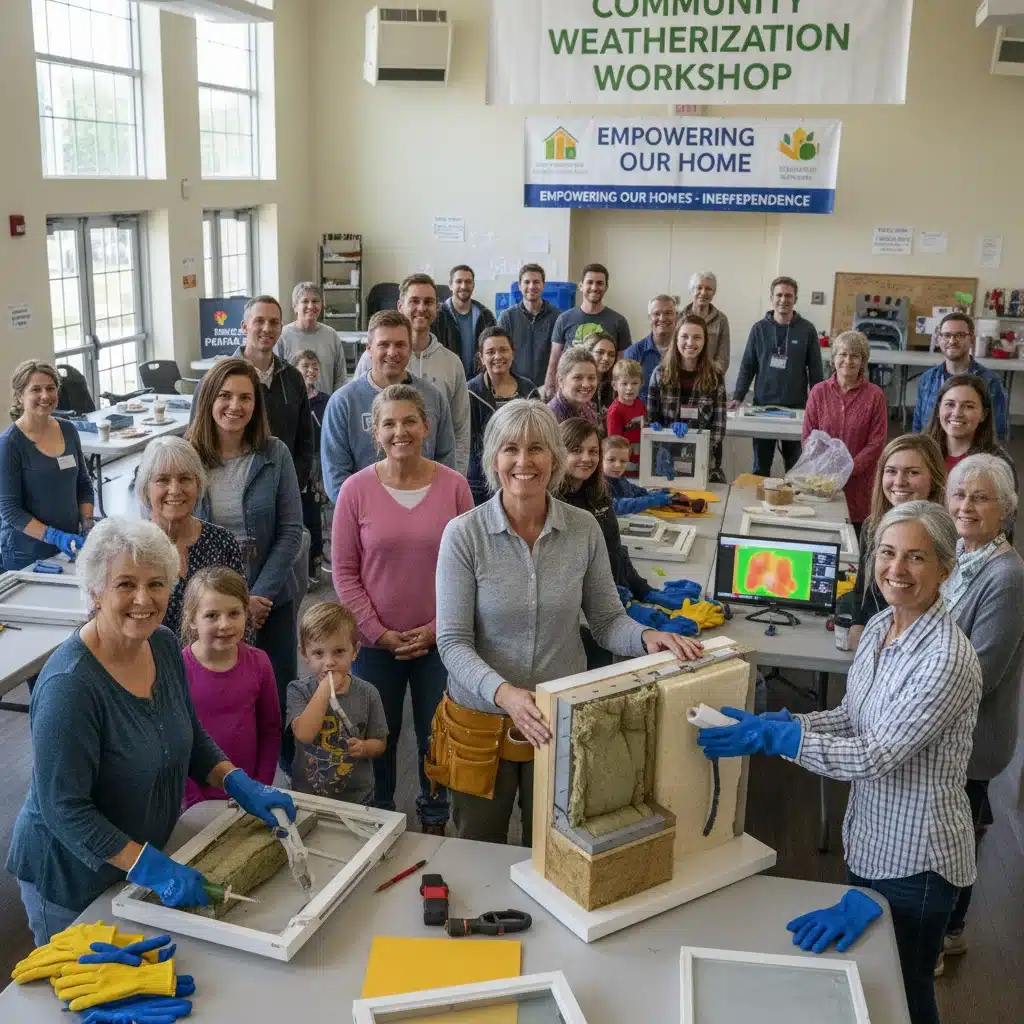
However, alongside these challenges are significant opportunities. The increased awareness of climate change and energy independence provides a strong political and public mandate for expanding federal weatherization programs. Technological advancements in energy auditing tools and weatherization materials continually offer more effective and efficient solutions, making it easier to achieve deeper energy savings.
The integration of WAP with other federal and state programs, such as affordable housing initiatives or renewable energy incentives, presents an opportunity for synergistic effects, maximizing the impact of each dollar spent. Furthermore, engaging community organizations and local leaders can significantly enhance outreach and program participation, ensuring that the benefits reach those who need them most.
By proactively addressing challenges and strategically leveraging opportunities, federal weatherization programs can not only meet the 20% energy cost reduction target by 2026 but also lay the groundwork for even greater energy efficiency and financial resilience in the years to come. This requires ongoing commitment, innovation, and collaboration across all levels of government and within communities.
The Role of Technology and Innovation in Weatherization
The ambitious goal of reducing energy costs by 20% by 2026 through federal weatherization programs is significantly bolstered by advancements in technology and continuous innovation within the energy efficiency sector. These technological leaps are transforming how homes are assessed, how improvements are implemented, and how energy savings are monitored, making weatherization efforts more effective and efficient than ever before.
One of the most impactful technological advancements is in diagnostic tools. Modern energy audits go far beyond rudimentary inspections. Blower door tests, now more portable and precise, can identify even the smallest air leaks that contribute to energy loss. Infrared thermography cameras, once expensive and cumbersome, are now more accessible and user-friendly, allowing auditors to visually detect insulation gaps and thermal bridges with high accuracy. These tools provide a data-driven foundation for tailored weatherization plans, ensuring that interventions are targeted for maximum impact.
Materials science has also played a crucial role. Innovations in insulation materials, such as advanced spray foams, rigid insulation boards, and blown-in cellulose, offer superior thermal performance with smaller footprints and easier installation. These materials not only improve energy efficiency but also contribute to better indoor air quality and soundproofing. Similarly, advancements in air sealing technologies, including specialized caulks, sealants, and weatherstripping, provide more durable and effective barriers against air infiltration.
Beyond materials, the development of smart home technologies offers new avenues for sustained energy savings. While not always directly funded by WAP, these technologies complement weatherization efforts by providing homeowners with real-time data on their energy consumption. Smart thermostats, for example, can learn household habits and optimize heating and cooling schedules, further reducing energy waste in a weatherized home. Energy monitoring systems can empower residents to make informed decisions about their energy use, reinforcing the benefits of the physical upgrades.
Furthermore, data analytics and modeling software are becoming increasingly sophisticated. These tools can predict energy savings more accurately, evaluate the cost-effectiveness of different weatherization measures, and help program administrators optimize resource allocation. By leveraging big data, federal weatherization programs can continuously refine their strategies and ensure that they are achieving the best possible outcomes for communities and the environment.
The integration of these technologies into federal weatherization programs ensures that efforts are not only effective in the short term but also adaptable to future energy challenges. This commitment to innovation is a critical component in the journey towards achieving and surpassing the 20% energy cost reduction target by 2026, solidifying the long-term impact of these vital programs.
Looking Ahead: The Future of Energy Efficiency and Weatherization
The target of a 20% reduction in energy costs by 2026 through federal weatherization programs is an ambitious milestone, but it also serves as a crucial stepping stone towards a more energy-secure and sustainable future. The trajectory of energy efficiency and weatherization is one of continuous evolution, driven by innovation, policy, and a growing societal commitment to environmental stewardship.
Looking beyond 2026, we can anticipate several key trends that will shape the future of these programs. There will likely be an increasing emphasis on deep energy retrofits, moving beyond basic weatherization to comprehensive whole-house solutions that aim for even greater energy savings, potentially reaching net-zero energy consumption in some cases. This involves integrating renewable energy sources, such as rooftop solar panels, with advanced insulation and highly efficient mechanical systems.
The role of data and artificial intelligence will also expand. Predictive analytics could be used to identify homes most in need of weatherization, optimize intervention strategies, and even anticipate potential maintenance issues. AI-powered energy management systems will become more commonplace, offering personalized recommendations for energy use based on real-time data and occupant behavior. This will empower homeowners to maintain and even enhance the energy savings achieved through weatherization.
Policy will continue to play a pivotal role. Future legislation may introduce more aggressive energy efficiency standards for new constructions and existing homes, further integrating weatherization principles into building codes and renovation practices. Incentives for energy-efficient appliances and smart home technologies could also become more robust, encouraging a broader adoption of energy-saving solutions.
Furthermore, the concept of community-wide energy planning will gain traction. Instead of just focusing on individual homes, future initiatives might involve neighborhood-level weatherization projects, district heating and cooling systems, and community-owned renewable energy installations. This holistic approach can maximize efficiency, reduce costs through economies of scale, and foster stronger, more resilient communities.
Finally, the connection between energy efficiency, public health, and social equity will become even more pronounced. As the benefits of weatherization – improved indoor air quality, reduced energy poverty, and enhanced comfort – become more widely recognized, these programs will be increasingly seen as essential components of broader social welfare and climate resilience strategies. The future of federal weatherization programs is bright, promising not just energy savings but also healthier people, stronger communities, and a more sustainable planet.
Conclusion: A Brighter, More Efficient Future
The ambition to achieve a 20% reduction in energy costs by 2026 through federal community weatherization programs is a testament to the nation’s commitment to energy efficiency, financial stability, and environmental sustainability. This comprehensive initiative, rooted in decades of successful implementation through the Weatherization Assistance Program, stands as a beacon of progress in addressing critical challenges faced by households and communities across the United States.
From the precise diagnostics of energy audits to the skilled application of advanced insulation and air sealing techniques, these programs are systematically transforming homes into more energy-efficient, comfortable, and healthier living spaces. The financial relief provided to low-income families is substantial, freeing up vital resources and fostering greater economic security. Beyond individual savings, the ripple effects extend to job creation, enhanced grid stability, and a significant reduction in greenhouse gas emissions, contributing to a cleaner, greener environment for all.
While challenges such as funding, workforce development, and logistical coordination remain, the opportunities for innovation, technological integration, and strategic partnerships are immense. The continuous evolution of diagnostic tools, materials, and smart home technologies ensures that weatherization efforts remain at the cutting edge, delivering ever-greater returns on investment. Looking ahead, the future promises even deeper energy retrofits, more sophisticated data-driven approaches, and a stronger alignment with broader public health and climate resilience goals.
Ultimately, federal weatherization programs are more than just an investment in infrastructure; they are an investment in people and communities. By empowering households to take control of their energy consumption, these programs are building a foundation for a more equitable, sustainable, and energy-independent future. The 20% reduction target by 2026 is not just a goal; it’s a promise of a brighter, more efficient future for millions, demonstrating the profound and lasting impact that thoughtful policy and dedicated effort can achieve.
