Insider Knowledge: Leveraging 2026 Federal Resources for Community Disaster Preparedness – A 7-Point Action Plan
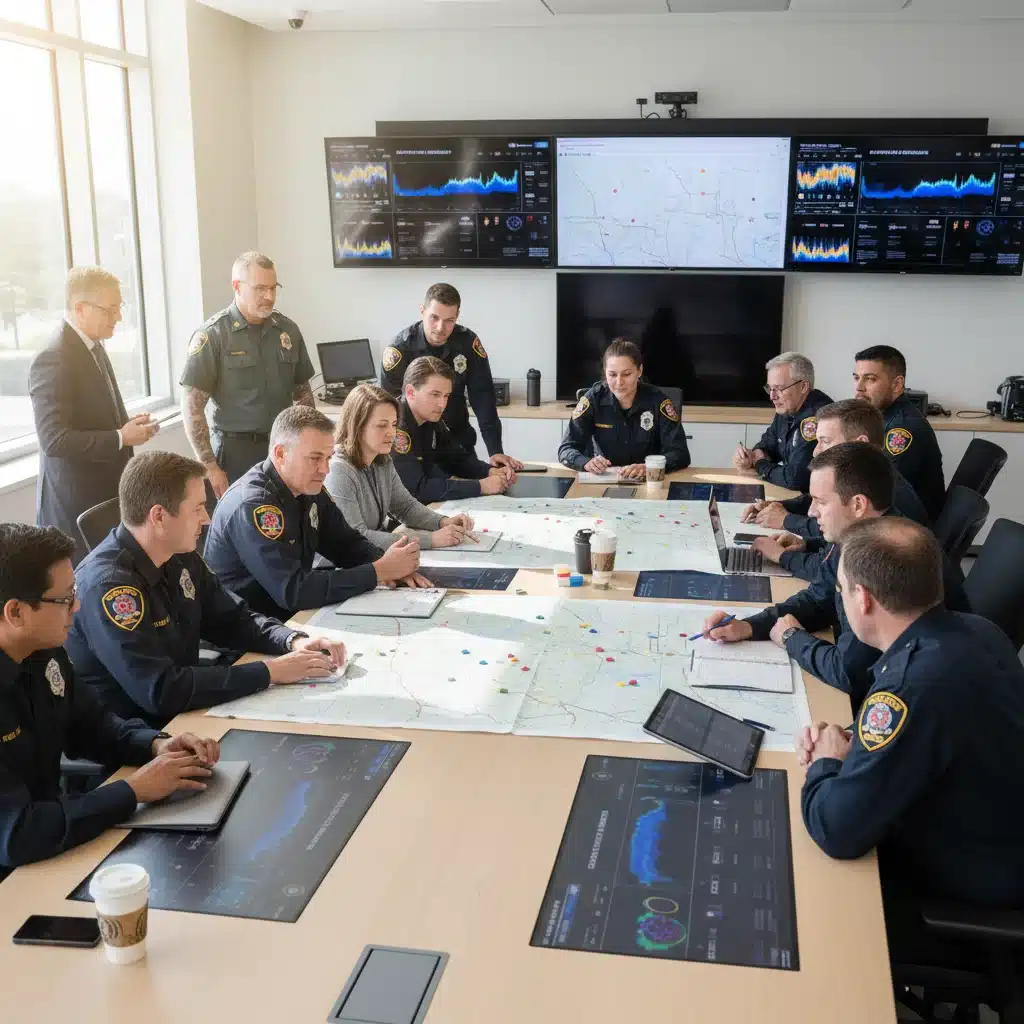
In an increasingly unpredictable world, the imperative for robust community disaster preparedness has never been more critical. As we look towards 2026, understanding and effectively leveraging available federal disaster resources will be the cornerstone of building resilient communities. This comprehensive guide, informed by insider knowledge and strategic foresight, presents a 7-point action plan designed to empower local governments, non-profits, and community leaders to proactively secure funding, implement effective strategies, and safeguard their populations against future calamities.
The landscape of disaster preparedness is constantly evolving, with new threats emerging and existing ones intensifying. From extreme weather events fueled by climate change to cyberattacks and public health crises, communities face a myriad of challenges. Fortunately, the federal government consistently allocates significant resources to aid in prevention, mitigation, response, and recovery efforts. However, navigating the complex web of grants, programs, and agencies can be daunting. Our goal is to demystify this process, providing a clear, actionable roadmap to maximize your community’s access to these vital federal disaster resources.
By focusing on strategic planning, effective communication, and collaborative partnerships, communities can transform potential vulnerabilities into strengths. This action plan is not merely about securing funds; it’s about fostering a culture of preparedness, enhancing infrastructure, and empowering every resident to play a role in their community’s safety. Let’s dive into the essential steps to ensure your community is not just ready, but truly resilient, by 2026 and beyond.
1. Understand the 2026 Federal Funding Landscape: Key Programs and Priorities
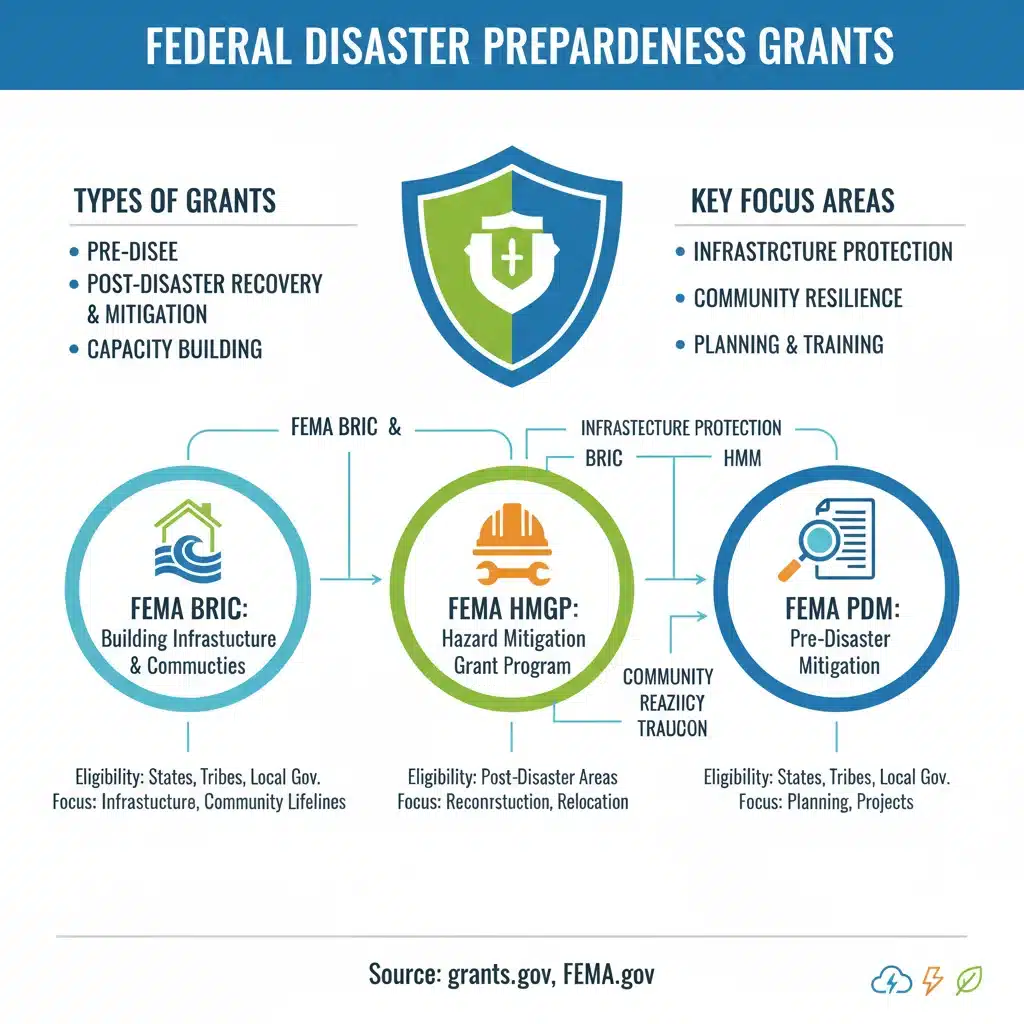
The first step in leveraging federal disaster resources is to gain a deep understanding of the current and projected funding landscape for 2026. Federal agencies like the Federal Emergency Management Agency (FEMA), the Department of Homeland Security (DHS), the Department of Housing and Urban Development (HUD), and others, offer a variety of grants and technical assistance programs. Each program has specific objectives, eligibility criteria, and application cycles. Researching these thoroughly is paramount.
FEMA’s Leading Role in Disaster Preparedness
FEMA remains a primary source of federal disaster resources. Key programs to monitor for 2026 include:
- Building Resilient Infrastructure and Communities (BRIC) Grant Program: BRIC is a significant source of pre-disaster mitigation funding, emphasizing investments in infrastructure projects and community-wide mitigation activities. It prioritizes projects that reduce risk, foster natural hazard resilience, and enhance community lifelines. Understanding BRIC’s evolving priorities, particularly its focus on equity and climate change adaptation, will be crucial.
- Hazard Mitigation Grant Program (HMGP: Available after a presidential disaster declaration, HMGP provides funding for states and local communities to implement long-term hazard mitigation measures. While reactive, planning for potential HMGP opportunities in advance can streamline the application process post-disaster.
- Pre-Disaster Mitigation (PDM) Grant Program: Though often superseded by BRIC, it’s worth monitoring for specific allocations or changes.
- Emergency Management Performance Grant (EMPG) Program: This program provides funds to states to assist local governments in enhancing and sustaining all-hazards emergency management capabilities. These funds are critical for day-to-day emergency management operations and capacity building.
Beyond FEMA: Other Vital Federal Agencies
Don’t limit your search to FEMA. Other federal agencies also offer crucial federal disaster resources:
- Department of Housing and Urban Development (HUD): Through programs like the Community Development Block Grant-Disaster Recovery (CDBG-DR), HUD provides funds for long-term recovery efforts, including housing, infrastructure, and economic revitalization in disaster-affected areas.
- Environmental Protection Agency (EPA): The EPA offers grants related to environmental protection and infrastructure resilience, which can indirectly support disaster preparedness by strengthening water systems, waste management, and environmental health.
- Department of Transportation (DOT): Grants from DOT can support resilient transportation infrastructure, a critical component of effective disaster response and recovery.
- National Oceanic and Atmospheric Administration (NOAA): NOAA provides funding and technical assistance for coastal resilience, weather forecasting, and climate adaptation, all essential for communities vulnerable to weather-related disasters.
Stay informed about legislative changes and budget allocations that could impact these programs in 2026. Subscribing to federal agency newsletters and engaging with professional organizations focused on emergency management can provide early insights.
2. Conduct a Comprehensive Community Risk and Vulnerability Assessment
Before seeking federal disaster resources, a thorough understanding of your community’s specific risks and vulnerabilities is essential. Federal funding agencies prioritize applications that demonstrate a clear, data-driven understanding of local needs. This assessment should go beyond identifying obvious hazards.
Key Components of a Robust Assessment:
- Hazard Identification: Identify all potential natural and man-made hazards relevant to your community (e.g., floods, hurricanes, wildfires, earthquakes, cybersecurity threats, pandemics, industrial accidents).
- Vulnerability Analysis: Determine which populations, infrastructure, and critical facilities are most vulnerable to these hazards. Consider socio-economic factors (e.g., elderly populations, low-income households, individuals with disabilities), critical infrastructure (hospitals, power grids, communication networks), and environmental sensitivities.
- Impact Assessment: Quantify the potential impacts of various disaster scenarios, including economic losses, human casualties, environmental damage, and disruption to essential services.
- Capability Assessment: Evaluate your community’s current capacity to prevent, mitigate, respond to, and recover from disasters. This includes assessing existing plans, resources, personnel, and partnerships.
Utilize data from past events, climate projections, geographic information systems (GIS), and community input. A well-executed assessment provides the empirical evidence needed to justify requests for federal disaster resources and helps tailor your preparedness strategies to your unique challenges.
3. Develop a Strategic, Data-Driven Preparedness Plan
With a clear understanding of federal programs and your community’s vulnerabilities, the next step is to develop a comprehensive, strategic preparedness plan. This plan serves as your blueprint for action and is often a prerequisite for accessing many federal disaster resources.
Elements of an Effective Plan:
- Clear Goals and Objectives: Define what your community aims to achieve in terms of disaster preparedness and resilience.
- Specific Strategies and Actions: Outline concrete steps to mitigate risks, enhance response capabilities, and facilitate recovery. This could include infrastructure improvements, early warning systems, public education campaigns, and stockpiling essential supplies.
- Resource Allocation: Detail how you plan to use anticipated federal disaster resources, as well as local and state contributions, to implement your strategies.
- Performance Metrics: Establish measurable indicators to track progress and evaluate the effectiveness of your initiatives. This demonstrates accountability and can strengthen future grant applications.
- Equity Considerations: Ensure your plan addresses the needs of all community members, particularly vulnerable populations, to promote equitable outcomes before, during, and after a disaster.
Your plan should be dynamic, regularly reviewed, and updated to reflect new information, changing risks, and lessons learned from past events. Federal agencies look for well-thought-out plans that align with national preparedness goals and demonstrate a commitment to long-term resilience.
4. Forge Strategic Partnerships and Collaboration Networks
Disaster preparedness is a collective effort. Building strong partnerships and collaboration networks is not only vital for effective implementation but also highly favored by federal funding agencies when evaluating applications for federal disaster resources.
Key Partnership Opportunities:
- Inter-agency Collaboration: Work with local, state, and other federal agencies. For instance, collaborating with state emergency management offices can provide access to state-level funds and technical expertise, often a stepping stone to federal grants.
- Public-Private Partnerships: Engage local businesses, corporations, and utility providers. Their resources, expertise, and infrastructure are critical for continuity and rapid recovery.
- Non-profit Organizations: Partner with local and national non-profits (e.g., Red Cross, Salvation Army, community foundations) who often provide essential services, volunteer support, and advocacy.
- Academic Institutions: Universities and colleges can offer research capabilities, technical assistance, and access to student volunteers for planning, assessments, and public education.
- Community Groups: Involve neighborhood associations, faith-based organizations, and cultural groups to ensure preparedness efforts are inclusive and culturally appropriate.
These partnerships demonstrate a holistic approach to preparedness and can significantly strengthen your community’s capacity to access and effectively utilize federal disaster resources. Joint applications or letters of support from diverse partners can enhance the competitiveness of your grant proposals.
5. Master the Grant Application Process: Tips for Success
Securing federal disaster resources often hinges on the quality of your grant applications. The process can be rigorous and competitive, requiring meticulous attention to detail and a strategic approach.
Essential Grant Application Strategies:
- Read the Guidelines Carefully: This cannot be stressed enough. Every federal grant program has specific requirements, evaluation criteria, and submission instructions. Deviating from these can lead to immediate disqualification.
- Align with Federal Priorities: Tailor your project proposals to align with the stated priorities of the funding agency. For 2026, expect continued emphasis on climate resilience, equity, nature-based solutions, and infrastructure hardening.
- Provide Strong Justification: Use the data from your risk and vulnerability assessment to clearly articulate the need for your project and how it will address specific community challenges.
- Develop a Detailed Budget: Present a realistic and well-justified budget that clearly outlines how federal disaster resources will be utilized. Be transparent about matching funds or in-kind contributions.
- Demonstrate Capacity: Highlight your organization’s experience, expertise, and track record in managing similar projects. If limited, emphasize strong partnerships.
- Craft a Compelling Narrative: Beyond the data, tell a story that resonates with reviewers. Explain the positive impact your project will have on the lives of community members.
- Start Early and Seek Assistance: Grant writing takes time. Begin the process well in advance of deadlines. Utilize resources provided by federal agencies, such as webinars, FAQs, and technical assistance documents. Consider hiring a grant writer or consultant if internal capacity is limited.
- Review and Edit Thoroughly: A fresh pair of eyes can catch errors and improve clarity. Ensure all required attachments are included and properly formatted.
Successful grant applications are a blend of technical accuracy, strategic alignment, and compelling storytelling. Investing time in this step will significantly increase your chances of securing valuable federal disaster resources.
6. Invest in Capacity Building and Training
Accessing federal disaster resources is only half the battle; effectively utilizing them requires a skilled and knowledgeable workforce. Investing in capacity building and training for your emergency management personnel, community leaders, and even residents is a critical component of sustainable preparedness.
Key Areas for Capacity Building:
- Emergency Management Professionals: Provide ongoing training in areas such as incident command systems (ICS), National Incident Management System (NIMS), grant management, risk communication, and advanced mitigation techniques. FEMA’s Emergency Management Institute (EMI) offers a wealth of free online courses.
- Community Leaders: Equip local officials, department heads, and non-profit leaders with the knowledge and skills to integrate disaster preparedness into their respective areas of responsibility.
- Volunteer and Community Emergency Response Teams (CERT): Train volunteers to support professional responders during emergencies, enhancing overall community resilience.
- Public Education and Awareness: Implement programs to educate residents on personal preparedness, evacuation routes, shelter-in-place procedures, and how to access information during a crisis. These initiatives can be supported by federal disaster resources.
- Technology Adoption: Train staff on new technologies for disaster monitoring, communication, and data management.
A well-trained and prepared community is inherently more resilient. Many federal disaster resources can be allocated to support training initiatives, recognizing their long-term value in reducing disaster impacts.
7. Monitor, Evaluate, and Adapt Your Preparedness Efforts
Disaster preparedness is not a one-time project but an ongoing cycle of planning, implementation, evaluation, and adaptation. To ensure the continued effectiveness of your strategies and to demonstrate accountability for the federal disaster resources you receive, continuous monitoring and evaluation are essential.
Steps for Continuous Improvement:
- Regular Drills and Exercises: Conduct periodic drills and full-scale exercises to test plans, identify weaknesses, and train personnel under simulated disaster conditions.
- Post-Incident Reviews: After any real-world incident, conduct thorough reviews to identify lessons learned, assess the effectiveness of response and recovery efforts, and determine how to improve future actions.
- Performance Measurement: Continuously track the performance metrics established in your preparedness plan. Are you meeting your objectives? Where are the gaps?
- Feedback Mechanisms: Establish channels for community feedback to ensure that preparedness efforts are meeting the needs of all residents and are culturally sensitive.
- Reporting Requirements: Be diligent in fulfilling all reporting requirements associated with federal disaster resources. Timely and accurate reporting builds trust and enhances your eligibility for future funding.
- Adaptation: Be prepared to adapt your plans and strategies in response to new risks, technological advancements, changes in federal policy, and lessons learned.
A commitment to continuous improvement ensures that your community’s preparedness remains robust and responsive to evolving threats. This iterative process strengthens your overall resilience and demonstrates a responsible approach to managing federal disaster resources.
Conclusion: Building a Resilient Future with Federal Disaster Resources
Leveraging federal disaster resources for community preparedness in 2026 and beyond is a strategic imperative. By following this 7-point action plan, communities can move beyond reactive responses to proactive resilience building. From understanding the intricate funding landscape to forging vital partnerships and committing to continuous improvement, each step is designed to maximize your ability to secure and effectively utilize the support available from the federal government.
The challenges of future disasters are significant, but with diligent planning, informed action, and collaborative spirit, communities can transform these challenges into opportunities for growth and enhanced safety. The time to act is now. By embracing these strategies, your community can build a more secure, prepared, and resilient future for all its residents, ensuring that when disaster strikes, it is met with strength, coordination, and the full backing of essential federal disaster resources.
Remember, preparedness is an investment, not an expense. The returns are measured in saved lives, reduced economic losses, and a stronger, more cohesive community capable of facing any adversity. Start your journey today to unlock the full potential of 2026 federal funding.
