Disputing Credit Report Errors 2026: A 60-Day Action Plan for Consumers

Anúncios
Disputing Credit Report Errors in 2026: A 60-Day Action Plan for Consumers (PRACTICAL SOLUTIONS)
In the intricate landscape of personal finance, your credit report stands as a pivotal document, a silent arbiter of your financial health. It dictates your access to loans, credit cards, mortgages, and even impacts insurance premiums and employment opportunities. Yet, for millions of consumers, this crucial document is often riddled with inaccuracies, errors that can unjustly drag down credit scores and impede financial progress. As we navigate 2026, understanding how to effectively dispute credit errors becomes not just a recommendation, but a financial imperative.
The digital age, while offering convenience, has also amplified the potential for data entry mistakes, identity theft, and algorithmic glitches that can manifest as erroneous entries on your credit report. These inaccuracies, whether minor or significant, can have profound and lasting consequences. A lower credit score can mean higher interest rates, denied applications, and a general feeling of being financially constrained. The good news is that consumer protection laws are in place to empower you to rectify these issues. This comprehensive guide will equip you with a practical, step-by-step 60-day action plan to effectively dispute credit errors in 2026, ensuring your credit report accurately reflects your financial standing.
Understanding Your Credit Report: The Foundation of Disputing Credit Errors
Before you can effectively dispute credit errors, you must first understand what a credit report is, who compiles it, and what information it contains. Your credit report is a detailed summary of your credit history, maintained by three major credit reporting agencies (CRAs): Equifax, Experian, and TransUnion. These agencies collect information from lenders, creditors, and public records to create a comprehensive financial profile for each consumer.
What Information Does a Credit Report Contain?
A typical credit report is divided into several key sections:
- Personal Information: Your name, current and previous addresses, Social Security number, date of birth, and employment history. Inaccurate personal information can sometimes be a red flag for identity theft.
- Credit Accounts: This is the core of your report, detailing all your credit accounts, including credit cards, mortgages, auto loans, student loans, and lines of credit. For each account, you’ll see the account number, lender’s name, date opened, credit limit or loan amount, payment history, and current balance. This section is where most payment-related errors occur.
- Public Records: Information from public sources, such as bankruptcies, foreclosures, tax liens, and civil judgments. While some of these, like civil judgments, are less common on reports today due to changes in reporting practices, bankruptcies remain.
- Inquiries: A list of everyone who has requested a copy of your credit report. These are categorized as ‘hard inquiries’ (when you apply for credit) or ‘soft inquiries’ (when you check your own credit or a lender pre-screens you). Too many hard inquiries in a short period can negatively impact your score.
Why is it Crucial to Review Your Credit Report Regularly?
Regularly reviewing your credit reports from all three CRAs is paramount. The Federal Trade Commission (FTC) recommends checking your reports at least once a year. However, with the increasing prevalence of data breaches and identity theft, more frequent checks are advisable. The primary reasons for this vigilance include:
- Identifying Errors: The most obvious reason is to spot and then dispute credit errors. Even minor discrepancies can accumulate and severely damage your credit standing.
- Detecting Identity Theft: Unauthorized accounts, unfamiliar addresses, or inquiries you didn’t initiate could be signs that someone else is using your identity. Early detection is key to mitigating damage.
- Monitoring Financial Health: Understanding your credit report helps you track your financial progress, identify areas for improvement, and ensure you’re on the right path to achieving your financial goals.
You are entitled to a free copy of your credit report from each of the three major credit bureaus once every 12 months through AnnualCreditReport.com. It’s a best practice to space these requests out, perhaps pulling one report every four months, to maintain continuous oversight.
The 60-Day Action Plan to Dispute Credit Errors in 2026
This detailed action plan is designed to guide you through the process of disputing credit errors, from initial discovery to resolution. Adhering to this timeline can significantly increase your chances of a successful outcome.
Day 1-7: Initial Review and Documentation Gathering
Your first week is dedicated to thorough examination and meticulous preparation. This is where the foundation for a successful dispute is laid.
Step 1: Obtain Your Credit Reports
As mentioned, visit AnnualCreditReport.com and request your free reports from all three credit bureaus: Equifax, Experian, and TransUnion. It’s vital to pull all three because not all creditors report to all bureaus, meaning an error might appear on one report but not another. Print these reports or save them digitally for easy annotation.
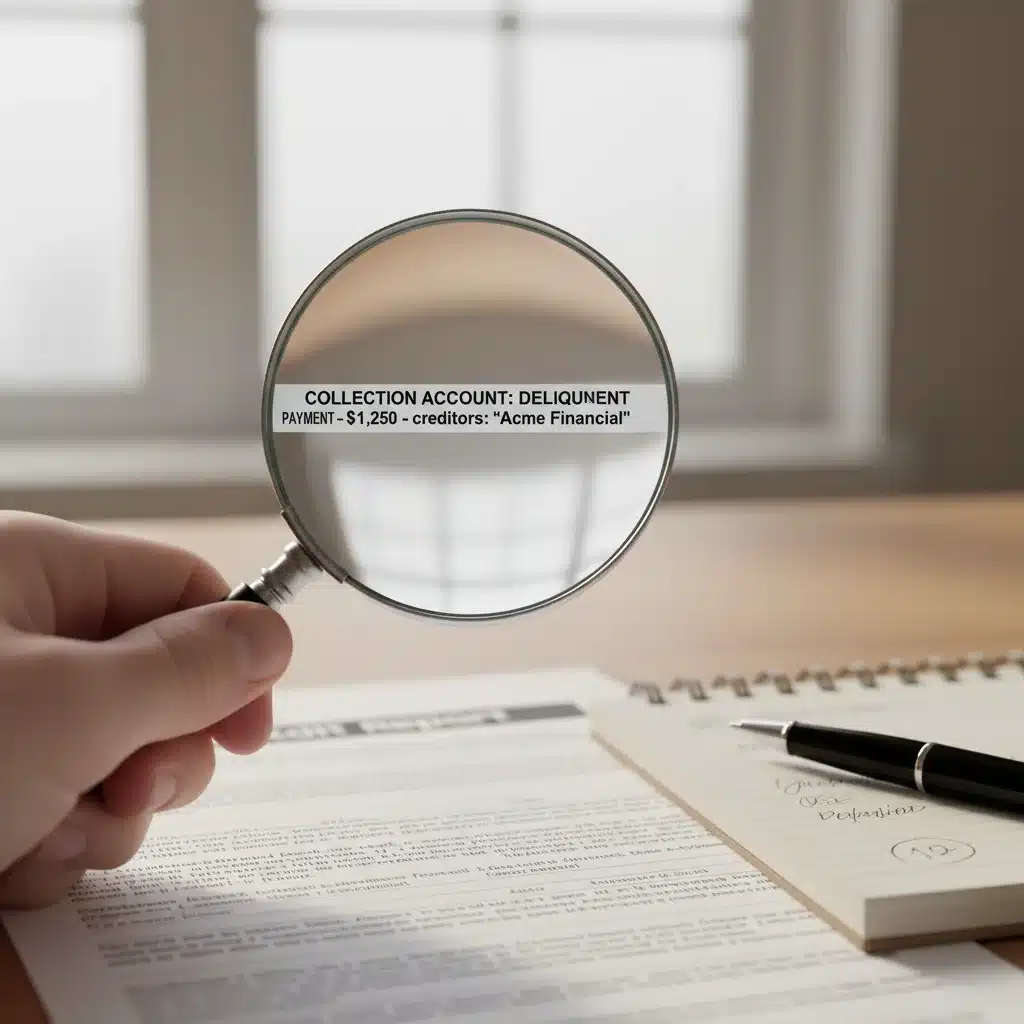
Step 2: Scrutinize Each Report for Errors
Go through each report line by line, account by account. Look for:
- Incorrect personal information: Misspelled names, wrong addresses, or an incorrect Social Security number.
- Accounts you don’t recognize: This is a major red flag for identity theft.
- Incorrect account status: An account reported as ‘open’ that you closed, or ‘late’ when you paid on time.
- Incorrect balances or credit limits: Discrepancies in amounts owed or available credit.
- Duplicate accounts: The same account listed multiple times.
- Incorrect dates: Dates of opening, last payment, or delinquency.
- Outdated information: Negative information that should have fallen off your report (most negative items remain for seven years, bankruptcies for 10 years).
- Inaccurate hard inquiries: Inquiries you didn’t authorize.
Highlight or circle every error you find. Be as detailed as possible.
Step 3: Gather Supporting Documentation
For each error identified, collect any evidence you have to prove your claim. This might include:
- Bank statements or cancelled checks showing on-time payments.
- Statements from creditors showing correct balances or account status.
- Official letters from creditors confirming account closure or debt settlement.
- Police reports or identity theft affidavits if you suspect fraud.
- Court documents for bankruptcies or judgments.
- Personal records like utility bills or driver’s license to prove identity.
Make copies of everything. Never send original documents. Organize these documents meticulously, perhaps creating a separate folder for each disputed item.
Day 8-30: Initiating the Dispute Process
With your evidence in hand, it’s time to formally dispute credit errors with the relevant parties.
Step 4: Dispute with the Credit Reporting Agencies (CRAs)
You have the right to dispute inaccurate information directly with each CRA that is reporting the error. You can do this online, by mail, or by phone, but sending a dispute letter via certified mail with a return receipt requested is generally the most effective method, as it provides a paper trail.
Your dispute letter should:
- Clearly state that you are disputing information on your credit report.
- Identify each item you are disputing by account number, creditor name, and the specific inaccurate information.
- Explain why you believe the information is inaccurate.
- Request that the item be removed or corrected.
- Include copies of your supporting documents.
- Provide your contact information.
Send a separate letter to each CRA reporting the error. Even if the same error appears on all three reports, you must dispute it with each individually.
Step 5: Dispute with the Information Furnisher (Creditor)
While disputing with the CRAs is essential, it’s also highly recommended to contact the information furnisher (the creditor or lender) directly. They are often quicker to respond and can sometimes correct errors more efficiently. Similar to your CRA dispute, send a letter via certified mail, return receipt requested, including:
- Your account number and the specific item in dispute.
- An explanation of the error.
- Copies of your supporting documents.
- A request for correction.
The Fair Credit Reporting Act (FCRA) requires furnishers to investigate disputes and report the results to all CRAs to which they reported the disputed information.
Step 6: Maintain a Detailed Log
Throughout this process, keep a meticulous log of all communications. This includes dates you sent letters, who you spoke to (if by phone), what was discussed, and when you expect a response. Keep copies of all correspondence, including certified mail receipts.
Day 31-50: Following Up and Monitoring
After initiating your disputes, the CRAs and furnishers have a legal obligation to investigate. The FCRA generally requires them to investigate within 30 days (or 45 days if you provide additional information during that period).
Step 7: Monitor Your Mail and Credit Reports for Responses
You should receive a response from the CRAs and furnishers within the stipulated timeframe. This response will typically inform you of the outcome of their investigation. During this period, continue to monitor your credit reports for any changes or new entries. Be aware that sometimes, a disputed item might temporarily disappear from your report during investigation and then reappear. This is why continuous monitoring is crucial.
Step 8: Review Investigation Results
Once you receive the investigation results, review them carefully:
- If the error is corrected: Congratulations! Request an updated copy of your credit report from the CRA(s) to confirm the correction.
- If the error is not corrected: Don’t despair. You have further recourse.
Day 51-60: Further Action and Escalation
If your initial attempts to dispute credit errors are unsuccessful, it’s time to consider more assertive actions.
Step 9: Re-dispute with Additional Evidence
If the CRA or furnisher verifies the information as accurate but you still believe it’s wrong, you can re-dispute. This time, provide any new or additional evidence you may have gathered. Emphasize that you have already disputed the item and that you believe their investigation was incomplete or inaccurate.
Step 10: Add a Statement of Dispute to Your Credit Report
If a CRA refuses to remove an item you believe is inaccurate, you have the right to add a brief statement (usually 100 words or less) to your credit file explaining your side of the story. This statement will be included whenever your credit report is accessed, providing context to potential lenders.
Step 11: File a Complaint with Regulatory Bodies
If you’ve exhausted your options with the CRAs and furnishers, you can escalate your complaint to regulatory authorities:
- Consumer Financial Protection Bureau (CFPB): The CFPB is a federal agency that protects consumers in the financial marketplace. They handle complaints about credit reporting, and submitting a complaint through their portal can often prompt further action from the CRAs or furnishers.
- Federal Trade Commission (FTC): The FTC also accepts complaints, particularly those related to identity theft and unfair business practices.
- Your State Attorney General’s Office: Your state’s Attorney General may have a consumer protection division that can assist.
These complaints can sometimes lead to renewed investigations or even enforcement actions against non-compliant entities.
Step 12: Consider Legal Counsel
In persistent cases where significant financial harm is being caused by uncorrected errors, consulting with a consumer law attorney specializing in FCRA violations may be necessary. An attorney can assess your case, send legal demand letters, and even file a lawsuit if your rights have been violated.
Common Credit Report Errors to Watch For
Knowing what types of errors are common can help you be more vigilant when reviewing your reports. Here’s a quick rundown:
- Identity Errors: Wrong name, address, phone number, or Social Security number; accounts belonging to someone else with a similar name.
- Account Status Errors: Accounts incorrectly listed as late, charged off, or in collections; accounts you closed reported as open; accounts listed as open when they were never yours.
- Balance Errors: Incorrect current balance, original loan amount, or credit limit.
- Duplicate Accounts: The same debt listed multiple times, often by different collection agencies.
- Reinsertion of Deleted Information: An item you successfully disputed and had removed reappears on your report.
- Mixed Files: Your information is mixed with someone else’s, leading to incorrect accounts or inquiries appearing.
The Impact of Successfully Disputing Credit Errors
The effort you put into disputing credit errors can yield significant benefits:
- Improved Credit Score: Removing negative, inaccurate information can lead to a noticeable increase in your credit score, sometimes by dozens of points.
- Lower Interest Rates: A better credit score qualifies you for more favorable interest rates on loans and credit cards, saving you thousands over the lifetime of your debts.
- Easier Access to Credit: Lenders will be more willing to approve your applications for various financial products.
- Better Terms on Other Services: Your credit score can influence insurance premiums, utility deposits, and even rental applications.
- Peace of Mind: Knowing your financial record is accurate provides a sense of security and control over your financial future.
Preventative Measures and Best Practices for 2026
While knowing how to dispute credit errors is crucial, preventing them in the first place is even better. Here are some best practices for maintaining a healthy credit profile in 2026:
- Monitor Your Credit Regularly: Beyond annualcreditreport.com, many banks and credit card companies offer free credit score and report monitoring services. Utilize these.
- Keep Detailed Records: Maintain organized files of all your financial statements, payment receipts, and loan documents. This makes it easier to gather evidence if you need to dispute an error.
- Be Cautious with Personal Information: Protect your Social Security number and other sensitive data. Be wary of phishing scams and only provide information to trusted sources.
- Understand Your Credit: Educate yourself on how credit scores are calculated and what factors impact them. The more you know, the better you can manage your credit.
- Review Account Statements: Regularly check your bank and credit card statements for unauthorized transactions or suspicious activity.
- Set Up Payment Reminders: Late payments are a major hit to your credit score. Use automatic payments or calendar reminders to ensure you never miss a due date.
- Shred Sensitive Documents: Before discarding, shred any documents containing personal or financial information to prevent identity theft.
Navigating the Digital Age of Credit Reporting
In 2026, credit reporting is increasingly digital, which brings both advantages and challenges. Online dispute portals offered by the CRAs can be convenient, but remember the importance of a paper trail. If you use online portals, take screenshots of your submissions and any confirmation numbers. While speed is often a benefit of digital platforms, the thoroughness and legal weight of certified mail remain invaluable when you dispute credit errors that are complex or highly contested.
Furthermore, the rise of alternative data in credit scoring models, while still evolving, means that information beyond traditional credit accounts might influence your financial profile. While this article focuses on traditional credit report errors, staying informed about these broader trends is also a good practice for comprehensive financial health.
Conclusion: Take Control of Your Credit Future
Your credit report is more than just a document; it’s a narrative of your financial journey. Ensuring its accuracy is a fundamental right and a critical step in building and maintaining a strong financial foundation. By following this 60-day action plan, you empower yourself to effectively dispute credit errors, protect your credit score, and open doors to better financial opportunities in 2026 and beyond.
Don’t let inaccuracies dictate your financial future. Be proactive, be diligent, and take control. The time and effort invested in correcting your credit report will pay dividends for years to come.
