Navigating Data Breaches in 2026: Your Rights to Notification and Compensation (RECENT UPDATES)

Anúncios
Navigating Data Breaches in 2026: Your Rights to Notification and Compensation (RECENT UPDATES)
In an increasingly digital world, data breaches have become an unfortunate, yet common, occurrence. As we move further into 2026, the landscape of cybersecurity threats continues to evolve, making it more crucial than ever for individuals to understand their fundamental data breach rights. This comprehensive guide will illuminate the latest updates regarding notification requirements and avenues for compensation, empowering you to protect your personal information and seek redress when your data is compromised.
The sheer volume and sophistication of cyberattacks mean that no organization, regardless of size or industry, is entirely immune. From large corporations to small businesses, government agencies to healthcare providers, personal data is constantly at risk. When a breach occurs, the immediate aftermath can be confusing and stressful for affected individuals. Knowing your data breach rights ensures you are not left in the dark and can take proactive steps to mitigate potential harm.
The Evolving Landscape of Data Breaches in 2026
The year 2026 has brought new challenges and advancements in cybersecurity. Artificial intelligence (AI) and machine learning (ML) are not only being used by defenders but also by malicious actors, leading to more targeted and sophisticated attacks. Phishing scams are more convincing, ransomware attacks are more debilitating, and the theft of personally identifiable information (PII) is more prevalent. This evolving threat landscape underscores the importance of robust legal frameworks and individual awareness regarding data breach rights.
Regulatory bodies worldwide have been working to strengthen data protection laws in response to these threats. While the General Data Protection Regulation (GDPR) in Europe remains a benchmark, many other nations and regions have implemented or updated their own stringent regulations. Understanding which laws apply to your specific situation is the first step in exercising your data breach rights.
Furthermore, the types of data considered sensitive have expanded. Beyond financial details and social security numbers, biometric data, genetic information, and even behavioral patterns collected through smart devices are now recognized as critical assets requiring stringent protection. A breach involving any of these can have profound and lasting impacts on an individual’s life, making the right to timely notification and potential compensation paramount.
Key Trends Influencing Data Breach Incidents
- AI-Powered Attacks: AI-driven phishing and malware are increasingly common, making detection harder.
- Supply Chain Vulnerabilities: Attacks on third-party vendors are a major source of breaches, affecting multiple organizations and individuals simultaneously.
- Ransomware as a Service (RaaS): The proliferation of RaaS models lowers the barrier to entry for cybercriminals, increasing the frequency of attacks.
- IoT Device Exploitation: The growing number of interconnected devices creates more entry points for attackers.
- Human Error: Despite technological advancements, human error (e.g., misconfigurations, weak passwords) remains a significant factor in many breaches.
Your Right to Notification: What to Expect in 2026
One of the most critical data breach rights is the right to be notified when your personal information has been compromised. Timely notification allows you to take immediate action to protect yourself from identity theft, financial fraud, and other potential harms. In 2026, notification requirements have become more standardized and often more immediate.
Most jurisdictions now mandate that organizations experiencing a data breach must notify affected individuals without undue delay. The specific timeframe can vary, but typically ranges from 72 hours (as per GDPR) to a few weeks, once the breach has been discovered and assessed. The notification itself must contain specific information to be useful to the individual.
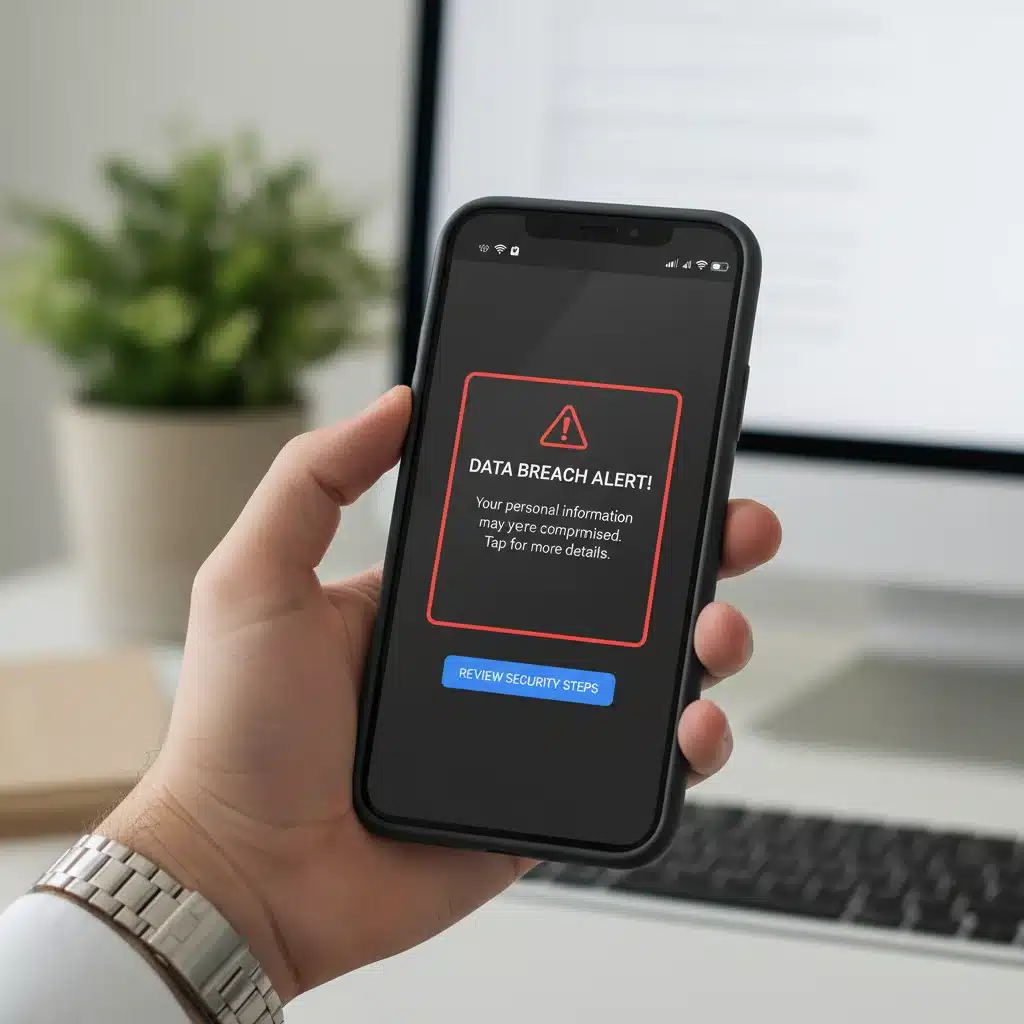
What Information Should a Data Breach Notification Include?
A comprehensive data breach notification should provide clear, concise, and actionable information. In 2026, you can expect notifications to typically include:
- Nature of the Breach: A description of what happened, how the breach occurred, and when it was discovered.
- Types of Data Compromised: A specific list of the categories of personal data affected (e.g., names, addresses, Social Security numbers, credit card details, health information).
- Potential Risks: An explanation of the possible consequences of the breach for the individual (e.g., identity theft, financial fraud, reputational damage).
- Mitigation Steps Taken by the Organization: Details of the measures the organization has implemented to address the breach and prevent future incidents.
- Actions Individuals Can Take: Clear recommendations on what steps you should take to protect yourself, such as changing passwords, monitoring credit reports, or placing fraud alerts.
- Contact Information: Details for a point of contact within the organization where you can get further information and support.
- Relevant Regulatory Bodies: Information about the relevant data protection authority or regulatory body you can contact for complaints or further guidance.
It’s important to scrutinize these notifications. If the information provided is vague or incomplete, you have the right to request more details from the breaching organization. This is a crucial aspect of your data breach rights, ensuring transparency and accountability.
Seeking Compensation: Your Rights to Redress
Beyond notification, one of the most significant data breach rights is the potential to seek compensation for damages incurred as a result of a breach. The availability and scope of compensation have significantly expanded in recent years, reflecting a growing recognition of the financial and emotional toll data breaches can take on individuals.
Compensation can cover various types of damages, including direct financial losses (e.g., unauthorized transactions, costs of credit monitoring), as well as non-pecuniary damages such as emotional distress, reputational harm, and inconvenience. The legal landscape for claiming compensation varies by jurisdiction, but several common avenues exist.
Avenues for Seeking Compensation
1. Direct Claims Against the Breaching Organization
In many cases, individuals can pursue direct claims against the organization responsible for the data breach. This often involves demonstrating that the organization failed to implement adequate security measures, leading to the breach, and that you suffered damages as a direct result. Legal counsel is often advisable for this route, as it can involve complex litigation.
2. Class Action Lawsuits
For large-scale data breaches affecting many individuals, class-action lawsuits are a common mechanism for seeking compensation. In a class action, a group of affected individuals collectively sues the breaching entity. This approach can be more efficient and provide a way for individuals with smaller individual claims to still seek redress. If a class action is successful, compensation is typically distributed among the class members.
3. Regulatory Fines and Settlements
Data protection authorities can impose significant fines on organizations that fail to protect personal data. While these fines are usually paid to the government, in some instances, parts of settlement agreements reached with regulators might include provisions for compensating affected individuals. Staying informed about regulatory actions related to a breach you were affected by is part of understanding your data breach rights.
4. Arbitration and Mediation
Some organizations may offer arbitration or mediation as an alternative dispute resolution method. These processes can be less formal and costly than traditional litigation and may lead to a quicker resolution and compensation. However, it’s crucial to understand the terms of any arbitration agreement, as it might waive your right to pursue further legal action.

Proving Damages and Causation
To successfully claim compensation, you typically need to prove two key elements: damages and causation. Damages refer to the actual harm you suffered, while causation means demonstrating a direct link between the data breach and those damages.
Types of Damages You Might Claim:
- Financial Losses: Unauthorized charges, fraudulent accounts opened in your name, costs associated with freezing credit, replacing documents, or lost wages due to time spent resolving issues.
- Emotional Distress: Anxiety, stress, fear, and psychological impact resulting from the breach and the fear of identity theft.
- Reputational Damage: If the breach leads to false accusations or damages your professional standing.
- Time and Effort: Compensation for the significant time and effort required to mitigate the consequences of the breach, such as cancelling cards, contacting banks, and monitoring accounts.
Collecting evidence is paramount. Keep detailed records of all communications with the breaching organization, financial statements, credit reports, and any expenses incurred as a result of the breach. This documentation will be vital in supporting your claim for compensation and asserting your data breach rights.
International and Regional Data Protection Laws in 2026
The global nature of data means that breaches often transcend national borders. Understanding which laws apply to your situation can be complex. In 2026, several key regulations continue to shape data breach rights globally:
- General Data Protection Regulation (GDPR – EU): Remains a gold standard, offering extensive rights to individuals within the EU and EEA, including the right to notification within 72 hours and significant compensation potential. Its extraterritorial scope means it can apply to organizations outside the EU processing data of EU citizens.
- California Consumer Privacy Act (CCPA) / California Privacy Rights Act (CPRA – USA): Provides robust rights for California residents, including the right to know what personal information is collected, the right to opt-out of sales, and the right to sue for damages in certain breach scenarios.
- Lei Geral de Proteção de Dados (LGPD – Brazil): Brazil’s comprehensive data protection law, similar to GDPR, grants individuals rights over their personal data and mandates breach notifications.
- Personal Information Protection and Electronic Documents Act (PIPEDA – Canada): Governs how private sector organizations collect, use, and disclose personal information in Canada, with mandatory breach reporting.
- Australia’s Privacy Act 1988 (with Notifiable Data Breaches scheme): Requires organizations to notify individuals and the Australian Information Commissioner of eligible data breaches.
- Japan’s Act on Protection of Personal Information (APPI): Sets out rules for handling personal information and includes breach notification requirements.
It’s crucial to determine which jurisdiction’s laws apply, as this will dictate your specific data breach rights and the avenues available for redress. Consult legal experts specializing in data protection law if you are unsure.
Steps to Take When Your Data is Breached
When you receive a data breach notification, or suspect your data has been compromised, taking swift and decisive action is paramount. Here’s a step-by-step guide on how to exercise your data breach rights and protect yourself:
- Read the Notification Carefully: Understand what data was compromised and what the organization recommends.
- Change Passwords: Immediately change passwords for all affected accounts, and any other accounts that use the same or similar credentials. Use strong, unique passwords for each service.
- Enable Multi-Factor Authentication (MFA): Activate MFA wherever possible for an added layer of security.
- Monitor Financial Accounts and Credit Reports: Regularly check bank statements, credit card statements, and credit reports for any suspicious activity. Consider placing a fraud alert or credit freeze with credit bureaus.
- Be Wary of Phishing Attempts: Cybercriminals often follow up breaches with targeted phishing scams using the stolen information. Be extremely cautious of unsolicited emails, texts, or calls.
- Contact Relevant Authorities: Report the incident to your national data protection authority or consumer protection agency.
- Seek Legal Advice: If you believe you have suffered significant harm, consult with an attorney specializing in data privacy to explore your options for compensation and understand your full data breach rights.
- Document Everything: Keep a meticulous record of all communications, actions taken, and any financial or emotional impact you experience.
Being proactive is your best defense. The sooner you act, the better your chances of mitigating the damage and asserting your data breach rights effectively.
Preventative Measures and Future Outlook
While understanding your data breach rights is crucial for recourse, prevention remains the best strategy. Individuals can adopt stronger cybersecurity habits, such as using password managers, being skeptical of unsolicited communications, and keeping software updated. Organizations, on their part, are continually investing in advanced security technologies, employee training, and adhering to stricter regulatory compliance.
Looking ahead, 2026 and beyond will likely see further evolution in data protection. We can anticipate:
- More Granular Consent Mechanisms: Individuals will have greater control over how their data is collected and used.
- Increased Focus on Data Minimization: Organizations will be encouraged to collect only the data absolutely necessary for their services.
- AI-Powered Regulatory Compliance: AI tools will assist organizations in maintaining compliance with complex data protection laws.
- Enhanced Cross-Border Data Transfer Frameworks: Efforts to standardize data protection across different regions will continue to facilitate secure international data flows.
- Stronger Enforcement: Regulatory bodies will likely continue to increase fines and enforce data protection laws more rigorously.
These developments aim to create a more secure digital environment, but the responsibility ultimately rests with both organizations and individuals to stay vigilant and informed. Your data breach rights are a powerful tool in this ongoing battle for digital privacy and security.
Conclusion
In 2026, understanding your data breach rights is no longer a luxury but a necessity. The digital landscape is fraught with risks, but robust legal frameworks and increased awareness provide individuals with the tools to protect themselves. From timely notification to the potential for compensation, these rights are designed to empower you in the face of cyber threats.
By staying informed about the evolving nature of data breaches, scrutinizing notifications, taking proactive protective measures, and knowing when and how to seek legal redress, you can navigate the complexities of the digital world with greater confidence. Your personal data is valuable, and your rights ensure that its protection remains a paramount concern for organizations and regulators alike.
Remember, if you believe your data breach rights have been violated or you have suffered harm due to a data compromise, do not hesitate to seek professional legal advice. Empower yourself with knowledge and take control of your digital security.
