FDCPA 2026: Your Debt Collection Rights Explained (Recent Updates)
Anúncios
Understanding your rights when dealing with debt collectors is paramount in safeguarding your financial well-being. The Fair Debt Collection Practices Act (FDCPA) is a federal law designed to protect consumers from abusive, deceptive, and unfair debt collection practices. As we move into 2026, it’s crucial to be aware of the latest interpretations, enforcement trends, and any potential updates to this vital legislation. This comprehensive guide will delve into the core tenets of the FDCPA, highlight recent changes relevant to FDCPA 2026 updates, and empower you with the knowledge to assert your rights effectively.
Debt can be a significant source of stress, and aggressive collection tactics only exacerbate the situation. The FDCPA provides a legal framework that dictates how third-party debt collectors can interact with consumers. It’s not a law that forgives debt, but rather one that regulates the conduct of those attempting to collect it. Knowing the specifics of the FDCPA can turn a daunting experience into a manageable one, allowing you to address your debts without fear of harassment or intimidation.
Over the years, the financial landscape and technological advancements have necessitated ongoing evaluations and sometimes, adjustments, to the FDCPA. These adjustments ensure that the law remains relevant and effective in protecting consumers in an evolving credit and debt environment. Therefore, staying informed about FDCPA 2026 updates is not just recommended, it’s essential for anyone who might encounter debt collection activities.
What is the Fair Debt Collection Practices Act (FDCPA)?
Enacted in 1977, the FDCPA is a federal law that governs the practices of third-party debt collectors. It was created to eliminate abusive debt collection practices by debt collectors, to promote fair debt collection, and to provide consumers with an avenue for disputing and obtaining validation of debt information. The FDCPA applies to ‘debt collectors’ as defined by the act, which generally includes collection agencies, lawyers who regularly collect debts, and companies that buy delinquent debts and then try to collect them. It typically does not apply to original creditors collecting their own debts, although some states have laws that extend similar protections to original creditors.
The core principle of the FDCPA is to ensure that consumers are treated fairly and with respect during the debt collection process. It outlines specific actions that debt collectors cannot take, such as making false statements, using threats, or harassing consumers. It also grants consumers specific rights, like the right to dispute a debt and to request verification of the debt. Without the FDCPA, consumers would be far more vulnerable to unscrupulous tactics designed to coerce payments, regardless of the debt’s validity or the consumer’s ability to pay.
The importance of the FDCPA cannot be overstated. It provides a legal shield for millions of Americans, ensuring that even in times of financial difficulty, their basic rights are protected. Understanding its provisions is the first step in leveraging its power to your advantage, especially as we consider the implications of FDCPA 2026 updates.
Key Consumer Rights Under the FDCPA
The FDCPA provides several fundamental rights to consumers. These rights are designed to give you control over the debt collection process and protect you from unfair treatment:
- Right to Receive a Debt Validation Notice: Within five days after first contacting you, a debt collector must send you a written notice that tells you the amount of money you owe, the name of the creditor to whom you owe the money, and your rights under the FDCPA. This is a critical first step in verifying the legitimacy of a debt.
- Right to Dispute the Debt: If you believe you do not owe the debt, or that the amount is incorrect, you have 30 days from receiving the validation notice to send a written dispute. The collector must then cease collection activities until they provide verification of the debt.
- Right to Request Verification of the Debt: As part of your dispute, you can request verification of the debt. This means the collector must provide evidence that you owe the debt, such as copies of original account statements or contracts.
- Right to Stop Communication: You can send a written request to a debt collector to stop all communication. Once they receive this request, they can only contact you to inform you that they will no longer contact you, or that they intend to take specific legal action.
- Protection Against Harassment and Abuse: Collectors cannot use threats of violence, obscene language, or repeatedly call you to annoy, abuse, or harass.
- Protection Against False or Misleading Statements: Collectors cannot misrepresent the amount you owe, falsely claim to be attorneys or government representatives, or threaten to arrest you.
- Protection Against Unfair Practices: This includes depositing a post-dated check prematurely, collecting more than what is owed, or communicating with you by postcard.
- Right to Sue a Collector: If a debt collector violates the FDCPA, you have the right to sue them in state or federal court within one year from the date of the violation.
These rights form the bedrock of consumer protection in debt collection. Understanding and exercising them is crucial for anyone dealing with collectors, especially as we consider any implications from FDCPA 2026 updates.
Recent Trends and Potential FDCPA 2026 Updates
While the core principles of the FDCPA have remained consistent, the regulatory landscape is dynamic. The Consumer Financial Protection Bureau (CFPB) is the primary federal agency responsible for enforcing the FDCPA. Their interpretations, enforcement actions, and new rules can significantly impact how the FDCPA is applied. Here are some areas that have seen recent developments or are likely to be areas of focus for FDCPA 2026 updates:
Modernizing Communication Methods (Regulation F and Beyond)
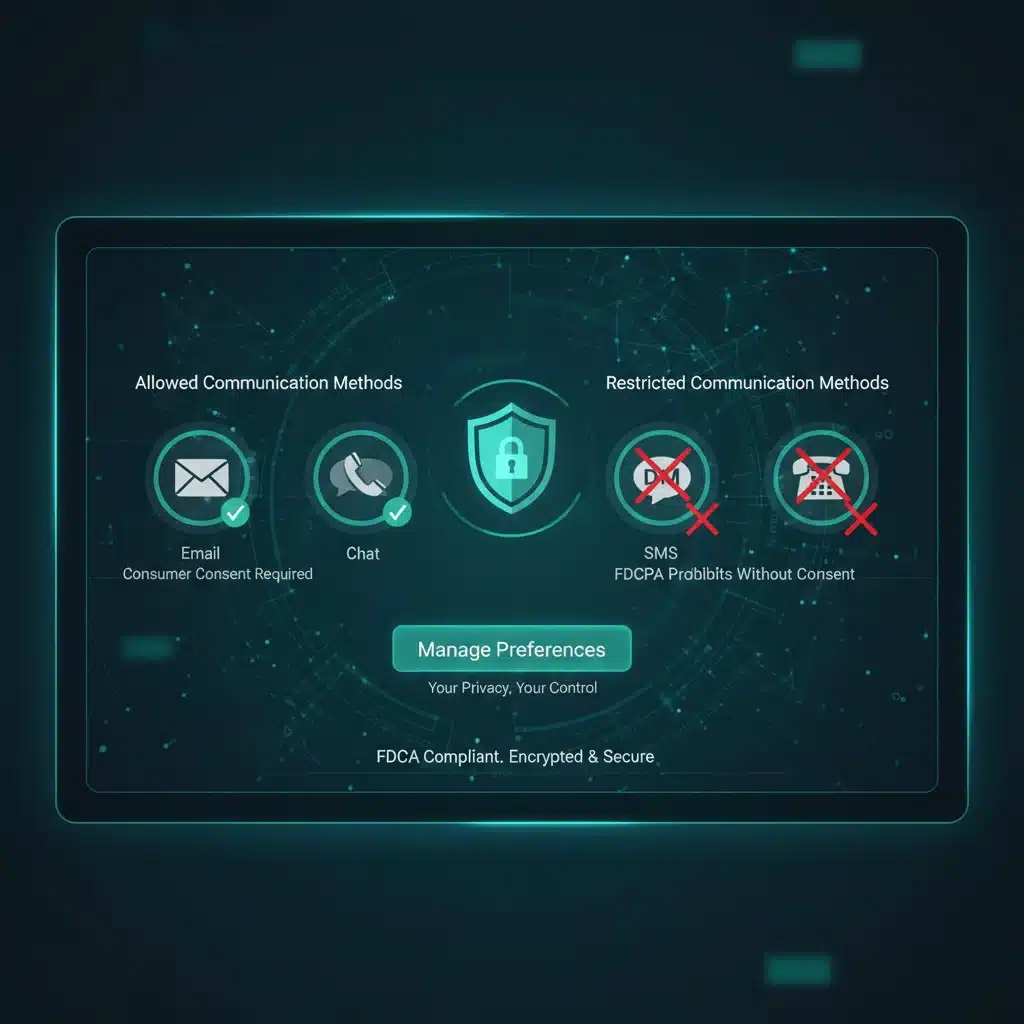
One of the most significant recent developments affecting the FDCPA came with the CFPB’s Regulation F, which became effective in late 2021. This regulation clarified and updated rules for debt collector communications, particularly concerning electronic communications like emails and text messages. While not strictly ‘2026 updates,’ these rules are relatively new and their full impact is still being observed and refined.
- Electronic Communications: Regulation F provides specific guidelines for debt collectors to use email and text messages, including requirements for opt-out notices and methods for consumers to stop electronic communications. This is a major shift from the original FDCPA, which was written long before the widespread use of the internet and mobile phones.
- Limited-Content Messages: The rule introduced the concept of ‘limited-content messages’ for voicemails, allowing collectors to leave certain information without triggering all the disclosure requirements of a full communication. This aims to balance a collector’s need to make contact with a consumer’s right to privacy.
- Frequency Limits: Regulation F also codified limits on how often debt collectors can call consumers, generally limiting calls to a particular debt to seven times within a seven-day period, and prohibiting calls within seven days after speaking with the consumer.
As these rules continue to be implemented and tested in practice, we may see further clarifications or minor adjustments by 2026. Courts will also continue to interpret these provisions, shaping their practical application. It’s vital for consumers to understand these new communication rules to ensure collectors are adhering to them.
Focus on ‘Junk Debt’ and Debt Ownership
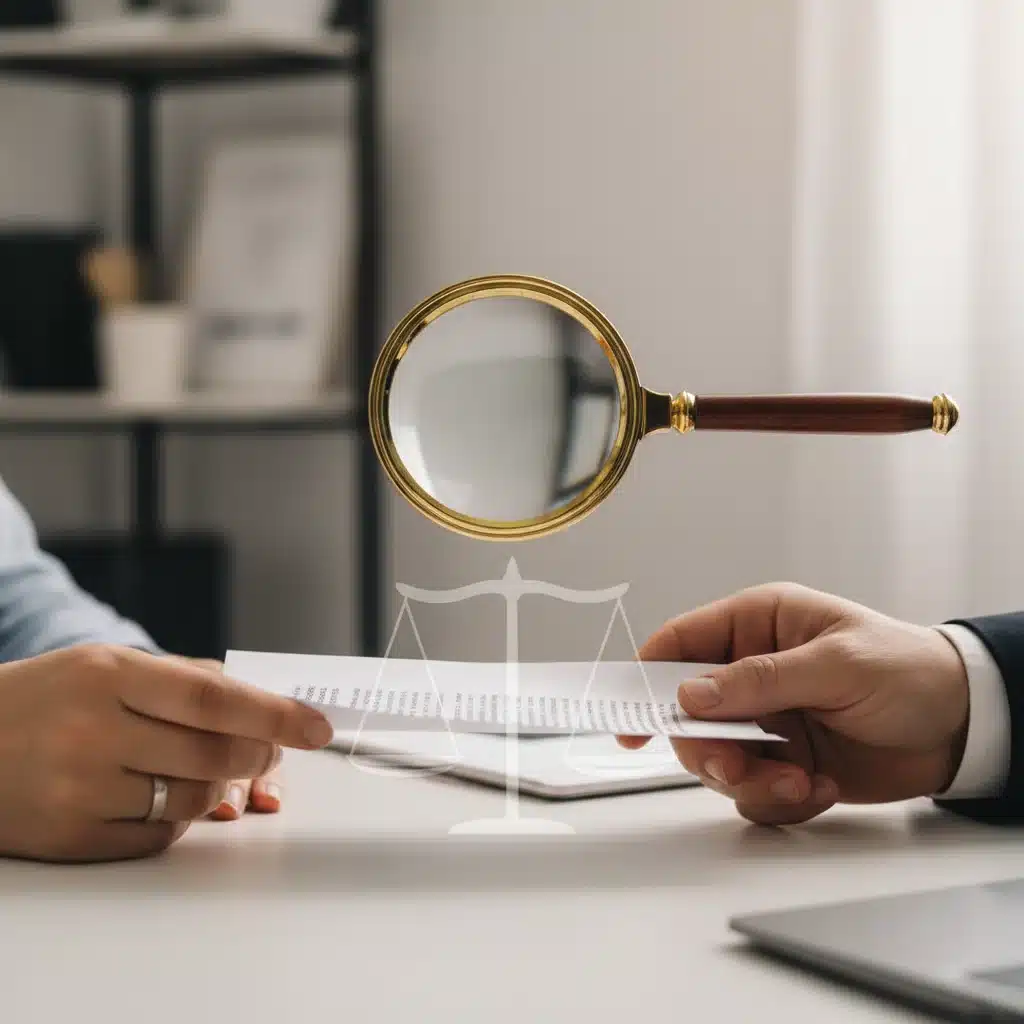
The issue of ‘junk debt’ – old, often unverified debts sold multiple times – remains a persistent problem. Regulators and courts continue to scrutinize debt collectors’ ability to prove they actually own the debt and that the amount is accurate. Consumers requesting debt verification often face challenges in getting adequate proof. By 2026, there may be increased pressure for more stringent requirements on documentation and chain of title for purchased debts, making it harder for collectors to pursue debts without clear evidence.
- Enhanced Verification Requirements: While the FDCPA already requires debt verification, there’s a continuous push for more robust standards regarding what constitutes ‘verification,’ especially for older debts. This could mean more detailed documentation beyond just account numbers.
- Statute of Limitations Awareness: Collectors are prohibited from suing or threatening to sue on time-barred debts (debts where the statute of limitations has expired). However, they can still try to collect on these debts. There’s ongoing debate about whether collecting on time-barred debt without clearly disclosing its status is an unfair practice. We might see further guidance or enforcement actions in this area by 2026.
Data Security and Privacy Concerns
With the increasing use of electronic communication and digital data storage, data security and consumer privacy are growing concerns. Debt collectors handle sensitive personal and financial information, making them targets for cyberattacks. While not explicitly an FDCPA provision, the CFPB and other federal agencies are increasingly emphasizing the need for robust data security practices across all financial services, including debt collection. Any significant data breaches involving debt collection agencies could trigger calls for new regulations or amendments to existing laws by FDCPA 2026 updates.
State-Level Regulations and Their Interaction with FDCPA
It’s important to remember that the FDCPA is a federal law. Many states also have their own fair debt collection practices acts, some of which offer even greater protections than the federal law. These state laws can cover original creditors, have different definitions of ‘debt collector,’ or impose stricter rules on communication and conduct. Consumers should always be aware of both federal and state laws that apply to their situation. The interaction between federal and state laws is a complex area, and ongoing legal challenges and legislative efforts at the state level could influence how the FDCPA is interpreted or supplemented by 2026.
How to Protect Yourself: Practical Steps
Knowing your rights is only half the battle; the other half is knowing how to exercise them. Here are practical steps to protect yourself under the FDCPA, especially with an eye on FDCPA 2026 updates:
1. Document Everything
Keep a detailed record of all interactions with debt collectors. This includes:
- Dates and times of calls.
- Names of the callers and the company they represent.
- What was discussed during the call.
- Copies of all letters and emails sent and received.
This documentation is crucial if you ever need to dispute a debt or prove an FDCPA violation.
2. Know Your Rights Regarding Communication
Familiarize yourself with the communication rules, including those introduced by Regulation F. If a collector contacts you via email or text, ensure they provide an easy way to opt out. If they call excessively or at inconvenient times (before 8 a.m. or after 9 p.m. in your time zone, or at work if you’ve told them not to), document it. You have the right to tell them to stop contacting you entirely by sending a written cease and desist letter.
3. Always Request Debt Validation in Writing
Never rely on verbal assurances. If a debt collector contacts you, especially about a debt you don’t recognize or believe is incorrect, send a written debt validation letter within 30 days of their initial communication. This forces the collector to provide proof that you owe the debt and that they have the right to collect it. Sending this letter via certified mail with a return receipt provides proof of delivery.
4. Understand the Statute of Limitations
Be aware of the statute of limitations for debt in your state. This is the legal time limit within which a creditor or collector can sue you to collect a debt. If the statute of limitations has expired, a collector cannot legally sue you, although they may still try to collect the debt. Be careful not to inadvertently ‘re-age’ a debt by making a payment or even acknowledging the debt, as this can restart the statute of limitations in some states.
5. Be Wary of Settlement Offers
While settling a debt for less than the full amount can be a viable option, be cautious. Always get any settlement agreement in writing before making a payment. Ensure the agreement clearly states that the payment will settle the debt in full and that the account will be reported as ‘paid in full’ or ‘settled’ to credit bureaus. Understand the tax implications of settled debt (Form 1099-C).
6. Don’t Be Afraid to Seek Legal Help
If you believe a debt collector has violated your rights under the FDCPA, consult with a consumer law attorney. Many attorneys offer free initial consultations and work on a contingency basis, meaning they only get paid if they win your case. Filing a lawsuit against a violating debt collector can result in damages being awarded to you, including attorney’s fees.
Common FDCPA Violations to Watch Out For
To fully protect yourself, it’s helpful to recognize common FDCPA violations. If a collector engages in any of these practices, they are breaking the law:
- Calling at Inconvenient Times: Calling before 8 a.m. or after 9 p.m. in your time zone, or at your workplace after you’ve informed them you cannot receive calls there.
- Threatening Legal Action They Cannot or Will Not Take: This includes threats of arrest, property seizure, or lawsuits when they have no intention or legal right to do so.
- Using Abusive or Profane Language: Any form of harassment, intimidation, or use of foul language is prohibited.
- Discussing Your Debt with Third Parties: Collectors generally cannot discuss your debt with anyone other than you, your spouse, or your attorney (with specific exceptions for obtaining location information).
- Falsely Implying Affiliation with the Government or Law Enforcement: Collectors cannot pretend to be law enforcement officers or government agents.
- Misrepresenting the Amount or Status of the Debt: Stating you owe more than you do, or misrepresenting the legal status of the debt (e.g., claiming a time-barred debt is still legally enforceable through a lawsuit).
- Failure to Send a Debt Validation Notice: Not sending a written validation notice within five days of initial contact.
- Continuing Collection After a Written Dispute: Continuing to try and collect a debt after you’ve sent a written dispute and before they have provided verification.
Being able to identify these violations is a powerful tool in asserting your rights and holding collectors accountable, especially as the landscape evolves with FDCPA 2026 updates.
The Role of the CFPB and Other Agencies
The Consumer Financial Protection Bureau (CFPB) is the primary federal agency that enforces the FDCPA. The CFPB investigates complaints, issues guidance, and takes enforcement actions against debt collectors who violate the law. If you believe your rights have been violated, filing a complaint with the CFPB is a crucial step. The Federal Trade Commission (FTC) also plays a role, particularly in consumer education and enforcement against unfair and deceptive practices.
These agencies monitor the debt collection industry closely, and their actions often lead to new interpretations or refinements of existing rules, which can effectively act as FDCPA 2026 updates even without formal legislative changes. Their proactive stance helps ensure that consumer protections keep pace with industry practices.
Conclusion: Empowering Yourself with FDCPA Knowledge
The Fair Debt Collection Practices Act is a cornerstone of consumer protection, designed to ensure that individuals facing debt are treated with dignity and respect. As we navigate the financial landscape of 2026, understanding your rights under the FDCPA, including the implications of recent regulatory changes and potential FDCPA 2026 updates, is more important than ever.
By documenting all communications, understanding your right to dispute and validate debts, and knowing the limits of what a debt collector can and cannot do, you empower yourself to navigate debt collection challenges effectively. Remember, you are not alone, and federal law provides significant protections. If you ever feel overwhelmed or believe your rights have been violated, do not hesitate to seek professional legal advice. Armed with knowledge, you can ensure fair treatment and protect your financial future.
Staying informed about consumer protection laws is an ongoing process. As technology advances and economic conditions shift, the FDCPA and its enforcement will continue to adapt. By prioritizing awareness of FDCPA 2026 updates and exercising your legal rights, you can confidently address debt collection issues and maintain control over your financial life.
