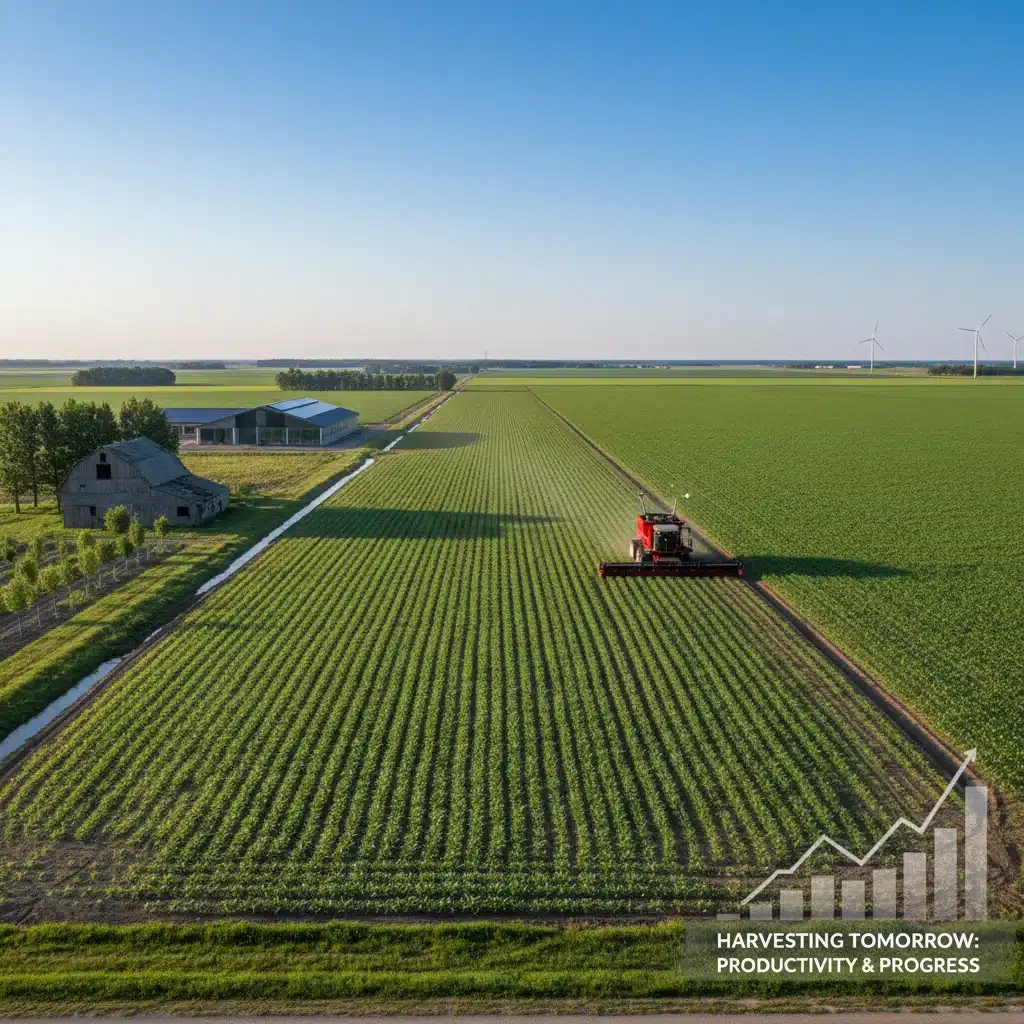
The Looming Agricultural Policy Shift: How the New Farm Bill Affects 1.5 Million U.S. Farmers in 2026
The agricultural landscape of the United United States is constantly evolving, shaped by market forces, environmental concerns, and, perhaps most significantly, federal policy. As we look towards 2026, the discussion around the New Farm Bill is intensifying, promising to bring substantial changes that will directly impact the livelihoods and operational strategies of an estimated 1.5 million U.S. farmers. This comprehensive piece will delve deep into the potential ramifications of this pivotal legislation, exploring its various titles, programs, and the ripple effects it is expected to create across the nation’s agricultural sector.
The Farm Bill, a multi-year legislative package, is arguably the most significant piece of legislation for U.S. agriculture. It covers a broad spectrum of programs, including commodity support, conservation, nutrition assistance, rural development, agricultural trade, and research. Historically renewed every five years, the upcoming New Farm Bill for 2026 is anticipated to address pressing issues such as climate change, food security, supply chain resilience, and economic stability for farmers in an increasingly volatile global market. Understanding its intricacies is crucial for every farmer, policymaker, and stakeholder in the agricultural community.
Understanding the Historical Context of the Farm Bill
To truly grasp the significance of the New Farm Bill, it’s essential to appreciate its historical evolution. The first Farm Bill was enacted in 1933 as part of President Franklin D. Roosevelt’s New Deal, a response to the Great Depression and the Dust Bowl. Its primary goal was to stabilize agricultural prices, conserve natural resources, and provide food assistance to those in need. Over the decades, the Farm Bill has expanded its scope, adapting to changing agricultural practices, economic conditions, and societal demands.
Each iteration of the Farm Bill has introduced new programs and modified existing ones, reflecting the priorities of the time. For instance, the 1970s saw the introduction of direct payments, while the 1980s emphasized conservation with programs like the Conservation Reserve Program (CRP). More recently, the focus has shifted towards risk management tools, crop insurance, and sustainable farming practices. The New Farm Bill is expected to continue this trend of adaptation, with a strong emphasis on climate-smart agriculture and equity.
The cyclical nature of the Farm Bill means that every few years, the agricultural community holds its breath, anticipating the changes that will shape their operations for the foreseeable future. The 2026 version is no different, with intense lobbying and debate already underway from various agricultural groups, environmental advocates, and consumer organizations. The stakes are incredibly high, as the decisions made will impact not only farmers but also rural communities, food prices, and the nation’s environmental health.
Key Pillars of the Anticipated New Farm Bill 2026
While the final details of the New Farm Bill are still under negotiation, several key areas are expected to receive significant attention and potential reform. These pillars form the backbone of agricultural policy and will dictate the direction of farming practices and economic support for the next half-decade.
1. Commodity Programs and Price Support
Commodity programs are a cornerstone of the Farm Bill, providing crucial safety nets for farmers growing staple crops like corn, soybeans, wheat, cotton, and rice. These programs, such as Price Loss Coverage (PLC) and Agricultural Risk Coverage (ARC), offer financial assistance when market prices fall below a certain level or revenues decline due to natural disasters or poor yields. The New Farm Bill is likely to re-evaluate the reference prices and payment triggers for these programs, potentially adjusting them to reflect current production costs and market realities.
Farmers have consistently called for stronger safety nets, especially in the face of increasing input costs and unpredictable weather patterns. The debate will likely center on how to balance taxpayer costs with adequate farmer support, ensuring that these programs remain effective without encouraging overproduction or distorting markets. There’s also a growing discussion about expanding support to specialty crop growers who often feel underserved by traditional commodity programs.
2. Conservation and Environmental Stewardship
Conservation programs are increasingly vital, addressing critical environmental challenges such as soil degradation, water quality, and climate change. Programs like the Environmental Quality Incentives Program (EQIP), the Conservation Stewardship Program (CSP), and the Conservation Reserve Program (CRP) incentivize farmers to adopt environmentally friendly practices. The New Farm Bill is expected to significantly bolster these efforts, potentially increasing funding and expanding the scope of eligible practices.
There’s a strong push for ‘climate-smart agriculture’ initiatives, which aim to reduce greenhouse gas emissions, sequester carbon, and enhance biodiversity. This could include new incentives for cover cropping, no-till farming, precision agriculture, and improved nutrient management. The integration of climate resilience into conservation programs will be a defining feature of the upcoming legislation, impacting how farmers manage their land and resources for generations to come. Many farmers are eager to adopt these practices but require financial and technical assistance to do so effectively.
3. Nutrition Programs (SNAP)
Although not directly impacting farm operations, the Supplemental Nutrition Assistance Program (SNAP) often accounts for the largest share of Farm Bill spending. It provides food assistance to low-income individuals and families, playing a crucial role in combating food insecurity. While SNAP’s structure is generally stable, the New Farm Bill discussions will likely include debates over eligibility requirements, benefit levels, and potential work requirements, which can have significant social and economic implications.
The link between nutrition and agriculture is often highlighted, with arguments made for strengthening local food systems and increasing access to fresh produce for SNAP recipients. While these are often contentious debates, the overall objective remains to ensure food security for vulnerable populations while also supporting the agricultural sector.

4. Rural Development and Infrastructure
The Farm Bill also plays a critical role in supporting rural communities through various development programs. These initiatives provide funding for rural broadband expansion, water and wastewater infrastructure, business development, and community facilities. The New Farm Bill is expected to continue prioritizing rural development, recognizing the importance of robust infrastructure and economic opportunities for the vitality of agricultural regions.
Access to reliable high-speed internet, in particular, has become a non-negotiable for modern farming operations, enabling precision agriculture technologies and connecting farmers to global markets. Investments in renewable energy projects in rural areas are also likely to be a focus, aligning with broader climate goals and providing new income streams for farmers. These programs are crucial for attracting and retaining young farmers and ensuring the long-term sustainability of rural economies.
5. Agricultural Research and Extension
Innovation is key to addressing future challenges in agriculture, from pest resistance to climate change adaptation. The Farm Bill funds agricultural research at land-grant universities and through federal agencies like the Agricultural Research Service (ARS). It also supports extension services that translate research findings into practical applications for farmers.
The New Farm Bill is expected to increase investment in cutting-edge research, particularly in areas such as biotechnology, artificial intelligence in agriculture, and resilient crop varieties. Strengthening the link between research and on-farm implementation will be critical for ensuring that farmers have access to the latest tools and knowledge to enhance productivity and sustainability. This includes funding for climate-resilient crop development and advanced soil health research.
Direct Impact on 1.5 Million U.S. Farmers
The provisions of the New Farm Bill will have a multifaceted impact on the 1.5 million U.S. farmers, affecting their financial stability, operational decisions, and long-term planning. Here’s a breakdown of how different aspects could play out:
Financial Security and Risk Management
For many farmers, commodity programs and crop insurance are vital safety nets. Adjustments to reference prices or payment limits in the New Farm Bill could significantly alter their income stability. Higher reference prices, for example, would offer more robust protection against market downturns, while stricter payment limitations could reduce the overall benefit for larger operations. Farmers will need to carefully analyze the revised program parameters to make informed decisions about crop choices and risk management strategies.
The availability and affordability of crop insurance, a critical tool for managing weather-related and market risks, will also be under scrutiny. Any changes to premium subsidies or covered perils could have a direct financial impact. Farmers rely heavily on these programs to mitigate the inherent volatility of agriculture, and the New Farm Bill‘s approach to risk management will be a major determinant of their economic well-being.
Adoption of Sustainable Practices
The increased emphasis on conservation and climate-smart agriculture will likely lead to greater incentives for farmers to adopt sustainable practices. While these practices can improve soil health, water quality, and long-term productivity, they often require initial investments and changes in traditional farming methods. The New Farm Bill‘s funding levels and technical assistance for programs like EQIP and CSP will determine the pace and extent of adoption.
Farmers who embrace these practices stand to benefit not only from direct payments but also from improved environmental outcomes and enhanced farm resilience. However, concerns about the administrative burden of these programs and the need for tailored solutions for diverse farming systems will be important considerations in their implementation. The success of these initiatives hinges on making them accessible and beneficial for a wide range of farm sizes and types.
Market Access and Trade
While the Farm Bill primarily focuses on domestic policy, its trade provisions can significantly impact market access for U.S. agricultural products. Export promotion programs and food aid initiatives help open new markets and maintain existing ones, which is crucial for farmers who rely on international trade for a substantial portion of their income. The New Farm Bill will likely continue to support these efforts, recognizing the importance of global markets for U.S. agricultural prosperity.
Furthermore, discussions around trade agreements and tariffs, though often outside the direct scope of the Farm Bill, indirectly influence its provisions. A strong trade title within the New Farm Bill can help mitigate the effects of trade disputes and ensure that U.S. farmers remain competitive on the global stage. This is particularly important for commodity farmers who depend on export markets for their harvests.
Innovation and Technology Adoption
Investments in agricultural research and extension services facilitated by the New Farm Bill will drive innovation and the adoption of new technologies. Farmers will have access to improved crop varieties, advanced pest management techniques, and precision agriculture tools that can enhance efficiency and reduce environmental impact. This could lead to higher yields, lower input costs, and more sustainable production systems.
However, the challenge lies in ensuring that these innovations are accessible to all farmers, regardless of their farm size or technological sophistication. Bridging the digital divide in rural areas and providing adequate training and support will be crucial for maximizing the benefits of agricultural research. The New Farm Bill must address these equity concerns to ensure broad-based adoption of new technologies.
Challenges and Opportunities for Farmers
The transition to the New Farm Bill will undoubtedly present both challenges and opportunities for U.S. farmers. Navigating these changes effectively will require adaptability, strategic planning, and a proactive approach.
Navigating Regulatory Changes
One of the primary challenges will be understanding and complying with the new regulations and requirements introduced by the New Farm Bill. Farmers will need to stay informed about changes to program eligibility, application processes, and reporting obligations. This can be particularly daunting for small and medium-sized farms with limited administrative resources. Clear communication from the USDA and accessible technical assistance will be vital.
The increased emphasis on climate-smart agriculture, while beneficial, may also introduce new compliance hurdles. Farmers will need to learn new practices, invest in new equipment, and potentially modify their existing operations to meet the new standards. The success of these initiatives hinges on making them accessible and beneficial for a wide range of farm sizes and types.
Accessing New Funding Streams
The New Farm Bill is expected to create new funding opportunities, particularly in areas like climate resilience, renewable energy, and rural infrastructure. Farmers who are proactive in identifying and applying for these grants and programs could gain a significant competitive advantage. This may involve diversifying their operations, investing in new technologies, or adopting innovative land management practices.
For example, new incentives for carbon sequestration or renewable energy generation on farms could open up new revenue streams. Farmers who are able to integrate these practices into their existing operations will be well-positioned to benefit from the evolving policy landscape. The key will be to stay informed and engage with local extension offices and agricultural organizations to understand available resources.
Addressing Labor Shortages and Input Costs
While the Farm Bill doesn’t directly legislate labor policy, its provisions can indirectly impact labor availability and costs. Support for rural development and economic opportunities can help stabilize rural populations, potentially easing labor shortages. However, rising input costs, including fuel, fertilizer, and labor, remain a persistent challenge for farmers. The New Farm Bill‘s effectiveness in providing adequate safety nets and promoting efficiency will be crucial in mitigating these pressures.
The debate around the New Farm Bill will likely touch upon how to support farmers in adopting labor-saving technologies and practices, as well as how to ensure a stable and skilled agricultural workforce. This might involve funding for agricultural education and training programs or incentives for automation where appropriate.
Enhancing Market Resilience and Diversification
The New Farm Bill presents an opportunity for farmers to enhance their market resilience by encouraging diversification and supporting local food systems. Programs that promote direct-to-consumer sales, farmers’ markets, and value-added processing can help farmers capture a larger share of the food dollar and reduce their reliance on volatile commodity markets. This is particularly relevant for smaller and mid-sized farms looking to carve out niche markets.
Furthermore, investments in regional food infrastructure, such as processing facilities and cold storage, can help farmers scale up their local operations and meet growing consumer demand for locally sourced products. The New Farm Bill‘s approach to these areas will be instrumental in fostering a more diverse and resilient agricultural economy.
Preparing for the New Farm Bill: A Farmer’s Guide
As the legislative process unfolds, U.S. farmers can take several proactive steps to prepare for the advent of the New Farm Bill in 2026:
- Stay Informed: Regularly consult reliable sources such as the USDA, agricultural extension services, and reputable farm organizations for updates on the legislative process and proposed changes. Understanding the evolving policy landscape is the first step in effective planning.
- Assess Current Operations: Conduct a thorough review of your current farming practices, financial situation, and risk management strategies. Identify areas where you might be vulnerable to changes in policy or where new programs could offer significant benefits.
- Engage with Stakeholders: Participate in local and national agricultural discussions. Your voice matters. Contact your elected officials, join farm advocacy groups, and attend public forums to ensure that your concerns and perspectives are heard during the policymaking process.
- Evaluate Conservation Potential: Begin exploring climate-smart and conservation practices that align with your farm’s goals. Even before specific programs are finalized, understanding the benefits and requirements of practices like cover cropping, no-till, or rotational grazing can give you a head start.
- Diversify and Innovate: Consider opportunities to diversify your crops, livestock, or revenue streams. The New Farm Bill may offer incentives for specialty crops, renewable energy projects, or value-added products, which can enhance your farm’s resilience.
- Strengthen Financial Planning: Work with agricultural lenders and financial advisors to develop robust financial plans that can adapt to potential shifts in commodity prices, program payments, and input costs. Scenario planning can be a valuable tool.
- Invest in Education and Training: Take advantage of educational opportunities related to new agricultural technologies, sustainable practices, and financial management. Many extension services offer workshops and resources tailored to these needs.
Conclusion: A Future Shaped by Policy
The New Farm Bill of 2026 stands as a critical juncture for American agriculture. Its provisions will not only dictate the financial health and operational strategies of 1.5 million U.S. farmers but also shape the environmental stewardship, food security, and rural vitality of the nation. From commodity support to conservation incentives, rural development, and research funding, every title of this massive legislative package carries profound implications.
While the exact contours of the bill are still being debated, the overarching themes of resilience, sustainability, and equity are expected to be prominent. Farmers who proactively engage with the legislative process, stay informed about emerging programs, and adapt their operations to align with new policy directions will be best positioned to thrive in the evolving agricultural landscape. The New Farm Bill is more than just a piece of legislation; it’s a blueprint for the future of farming in America.
The coming years will be a period of significant adjustment and opportunity. By understanding the potential impacts and preparing strategically, U.S. farmers can navigate the complexities of the New Farm Bill and continue their essential work of feeding the nation and stewarding its land.
