Comparing Consumer Protection Agencies: Who to Contact for Specific Issues in 2026
Anúncios
In an increasingly complex marketplace, consumers often find themselves navigating a maze of products, services, and digital interactions. While this offers unprecedented convenience and choice, it also opens the door to potential pitfalls, from fraudulent schemes and unfair business practices to defective products and data breaches. When things go wrong, knowing where to turn for assistance can be the difference between resolving an issue and feeling utterly helpless. This comprehensive guide aims to demystify the landscape of consumer protection agencies in 2026, offering a detailed comparison and clear direction on who to contact for specific issues. Understanding the roles and jurisdictions of these vital organizations is your first line of defense in safeguarding your rights and financial well-being.
The world of consumer protection is not a monolith; it’s a diverse ecosystem of federal, state, and even international bodies, each with its own focus and powers. From ensuring fair lending practices to guaranteeing product safety, these agencies work tirelessly to enforce laws, educate the public, and mediate disputes. However, their overlapping, yet distinct, responsibilities can be confusing. Our goal here is to equip you with the knowledge to confidently identify the most appropriate agency for your particular complaint, thereby increasing your chances of a swift and satisfactory resolution. We will delve into the specific mandates of key players, provide examples of issues they handle, and offer practical advice on how to initiate a complaint effectively. By the end of this article, you’ll have a clear roadmap for addressing consumer grievances in 2026.
Understanding the Landscape of Consumer Protection Agencies
Before diving into specific organizations, it’s crucial to grasp the multi-layered nature of consumer protection. In 2026, this field is more dynamic than ever, with new challenges emerging from evolving technologies and global commerce. Generally, consumer protection agencies operate at various levels:
- Federal Agencies: These organizations have nationwide jurisdiction and often deal with broad issues affecting large populations, such as antitrust violations, financial fraud, and product safety standards.
- State Agencies: Each state typically has its own consumer protection division, often within the Attorney General’s office. These agencies handle complaints specific to state laws and can often act more directly on behalf of state residents.
- Local Agencies: Some cities or counties have consumer affairs offices that can assist with local business disputes or provide mediation services.
- Industry-Specific Regulators: Beyond general consumer protection, many industries (e.g., banking, telecommunications, airlines) have their own regulatory bodies that oversee consumer practices within their sector.
- Non-Governmental Organizations (NGOs): While not official government agencies, many non-profits and advocacy groups play a significant role in educating consumers, lobbying for stronger protections, and sometimes even mediating disputes.
The key to effective complaint resolution lies in identifying the agency whose mandate most closely aligns with the nature of your problem. A complaint about a faulty car, for instance, will likely go to a different agency than one concerning an unauthorized bank transaction. This article will guide you through these distinctions, empowering you to make informed choices when seeking assistance from consumer protection agencies.
Federal Trade Commission (FTC): Your Go-To for Broad Consumer Issues
When discussing consumer protection agencies, the Federal Trade Commission (FTC) is often the first name that comes to mind, and for good reason. The FTC is the nation’s primary consumer protection agency, tasked with preventing business practices that are anticompetitive, deceptive, or unfair to consumers. Its jurisdiction is vast, covering a wide array of issues that impact everyday Americans.
Key Areas of FTC Focus:
- Deceptive Advertising: The FTC actively combats false or misleading claims made by businesses about their products or services. This includes everything from miracle cures to exaggerated performance claims.
- Identity Theft and Data Security: As digital threats grow, the FTC is at the forefront of protecting consumers from identity theft and ensuring companies safeguard personal data. They provide resources for victims and enforce data security standards.
- Scams and Fraud: From phishing attempts and telemarketing scams to pyramid schemes and unwanted robocalls, the FTC works to identify and shut down fraudulent operations that prey on consumers.
- Privacy Protection: The FTC enforces various privacy laws, including those related to children’s online privacy (COPPA) and the use of consumer data.
- Antitrust and Competition: While primarily focused on business competition, the FTC’s work in this area ultimately benefits consumers by ensuring fair pricing and innovation in the marketplace.
When to Contact the FTC:
You should consider contacting the FTC if your issue involves:
- A company making false promises or misleading claims in advertising.
- Concerns about your personal information being compromised or identity theft.
- Falling victim to a scam, whether online, by phone, or through mail.
- Unwanted telemarketing calls or robocalls.
- Issues with online shopping, such as non-delivery of goods or unauthorized charges, especially if they involve deceptive practices.
The FTC does not resolve individual consumer complaints directly in most cases. Instead, they use the complaints they receive to identify patterns of fraudulent or unfair business practices, which can then lead to investigations, enforcement actions, and policy changes. Reporting to the FTC is crucial for building a case against systemic issues. Their website, ReportFraud.ftc.gov, is the primary portal for filing complaints.
Consumer Financial Protection Bureau (CFPB): Safeguarding Your Financial Well-being
For issues related to financial products and services, the Consumer Financial Protection Bureau (CFPB) is the specialized consumer protection agency you need to know. Established in the wake of the 2008 financial crisis, the CFPB’s mission is to make markets for consumer financial products and services work for Americans. They have significant authority over banks, credit unions, mortgage companies, payday lenders, debt collectors, and other financial institutions.
Key Areas of CFPB Focus:
- Mortgages: Issues related to loan origination, servicing, foreclosures, and deceptive mortgage practices.
- Credit Cards: Complaints about billing errors, unauthorized charges, misleading terms, and credit reporting inaccuracies.
- Bank Accounts and Services: Problems with checking or savings accounts, overdraft fees, wire transfers, and unfair bank practices.
- Student Loans: Disputes concerning loan servicing, repayment options, and deceptive marketing by lenders.
- Auto Loans: Issues with financing, predatory lending, and deceptive sales tactics in vehicle purchases.
- Debt Collection: Harassment, unfair practices, and misrepresentation by debt collectors.
- Credit Reporting: Inaccuracies on credit reports and issues with credit reporting agencies.
When to Contact the CFPB:
If your complaint involves a financial product or service, the CFPB is likely the most appropriate consumer protection agency. You should contact them if you experience:
- Problems with your mortgage lender or servicer.
- Unfair or deceptive practices by a credit card company.
- Disputes with your bank regarding account fees, unauthorized transactions, or other services.
- Issues with a student loan servicer or lender.
- Concerns about an auto loan or other personal loan.
- Harassment or unfair treatment by a debt collector.
- Errors on your credit report that you haven’t been able to resolve with the credit bureaus directly.
Unlike the FTC, the CFPB often works to get a response from the company on your behalf. They forward your complaint to the company and work to facilitate a resolution. You can file a complaint directly on their website: consumerfinance.gov/complaint/. This direct approach makes the CFPB a powerful ally for consumers facing financial disputes.
Food and Drug Administration (FDA): Ensuring Safety of Food, Drugs, and Cosmetics
The Food and Drug Administration (FDA) is a critical federal consumer protection agency responsible for protecting public health by ensuring the safety, efficacy, and security of human and veterinary drugs, biological products, and medical devices; and by ensuring the safety of our nation’s food supply, cosmetics, and products that emit radiation. While they don’t handle individual consumer disputes in the same way as the CFPB, their oversight is paramount to daily consumer safety.
Key Areas of FDA Focus:
- Food Safety: Ensuring that foods are safe, wholesome, sanitary, and properly labeled. This includes preventing foodborne illnesses and regulating food additives.
- Drug Safety and Efficacy: Approving new drugs, monitoring their safety post-market, and ensuring prescription and over-the-counter drugs are effective and properly labeled.
- Medical Devices: Regulating the safety and effectiveness of devices ranging from pacemakers to contact lenses.
- Cosmetics: Ensuring the safety of cosmetics and personal care products.
- Tobacco Products: Regulating the manufacturing, marketing, and distribution of tobacco products.
- Vaccines and Biological Products: Ensuring the safety and efficacy of vaccines, blood products, and other biologicals.
When to Contact the FDA:
You should contact the FDA if your concern relates to the safety or quality of regulated products:
- You experience an adverse reaction to a food, drug, or cosmetic.
- You suspect a food product is contaminated or improperly labeled.
- You have concerns about the safety or effectiveness of a medical device.
- You encounter false or misleading claims about a regulated product’s health benefits.
- You find issues with the manufacturing or distribution of tobacco products.
Reporting to the FDA often involves submitting an adverse event report or a general complaint through their various reporting systems, which are typically found on the FDA’s main website, fda.gov. While they may not resolve your personal injury claim, your report helps them identify trends, issue recalls, and take enforcement action against manufacturers, protecting the broader public.
National Highway Traffic Safety Administration (NHTSA): For Vehicle Safety
When it comes to the safety of your vehicle, the National Highway Traffic Safety Administration (NHTSA) is the dedicated consumer protection agency. Their mission is to save lives, prevent injuries, and reduce economic costs due to road traffic crashes through education, research, safety standards, and enforcement.
Key Areas of NHTSA Focus:
- Vehicle Recalls: Investigating potential safety defects and issuing recalls for vehicles and automotive equipment.
- Safety Standards: Setting and enforcing federal motor vehicle safety standards for vehicle design and performance.
- Child Passenger Safety: Promoting and educating on the safe use of child safety seats.
- Fuel Economy Standards: Administering fuel economy standards for vehicles.
- Driver Behavior Programs: Initiatives to combat drunk driving, distracted driving, and promote seat belt use.
When to Contact NHTSA:
If your concern is about vehicle safety, NHTSA is the appropriate federal consumer protection agency:
- You experience a safety-related defect with your vehicle, tires, or car equipment (e.g., brakes failing, airbags not deploying, steering issues).
- You believe a component of your vehicle should be subject to a recall.
- You have questions or concerns about child safety seats.
- You want to check if your vehicle has any open recalls.
Reporting a safety defect to NHTSA can be done easily through their website, nhtsa.gov. Your complaint can trigger an investigation that leads to a recall, potentially saving lives. NHTSA also provides a VIN lookup tool to check for existing recalls on your specific vehicle.
State Attorneys General and Local Consumer Protection Offices
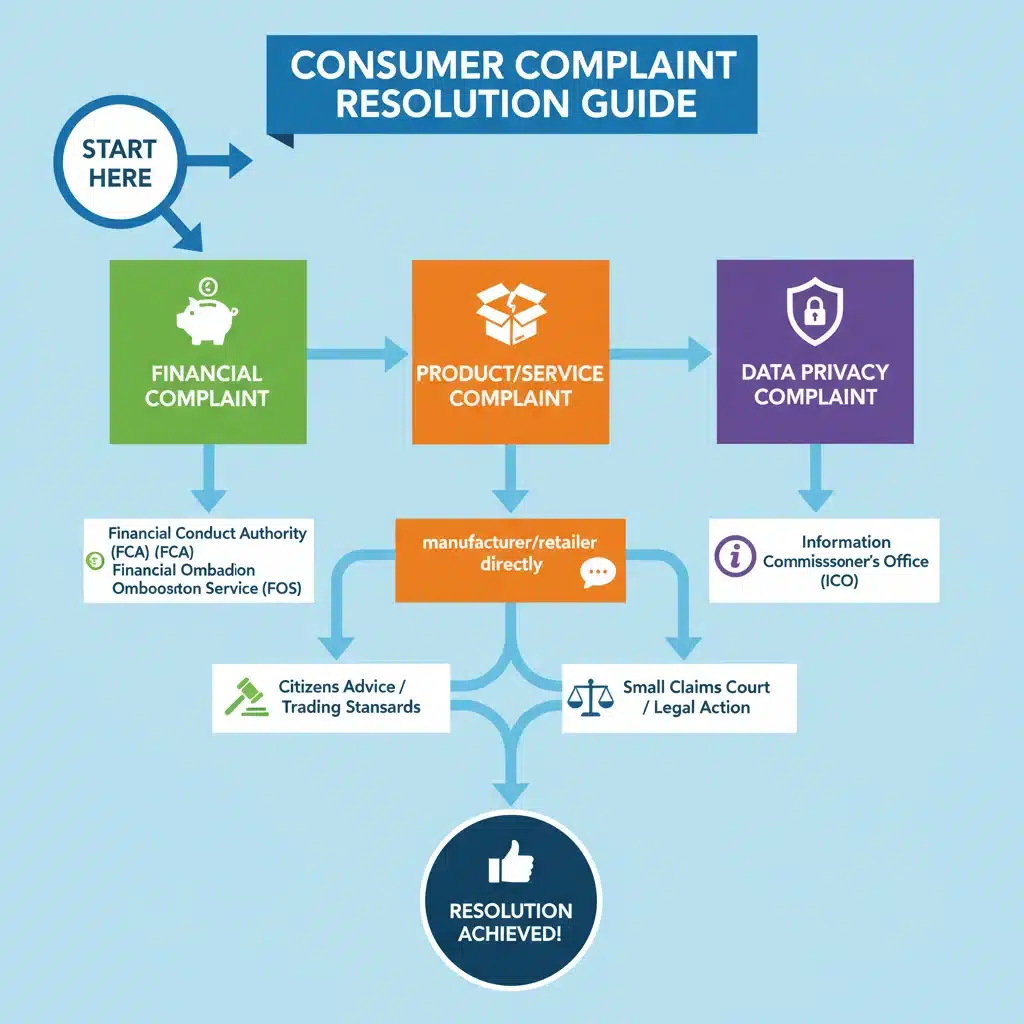
While federal agencies handle broad, national issues, state Attorneys General (AGs) and local consumer protection offices are often your first point of contact for disputes that are more localized or fall under state-specific laws. These consumer protection agencies play a crucial role in mediating individual complaints and enforcing state consumer protection statutes.
State Attorneys General:
Each state’s Attorney General’s office typically has a consumer protection division. Their powers and focus can vary by state, but generally, they:
- Investigate and prosecute businesses engaged in deceptive or unfair practices within the state.
- Mediate disputes between consumers and businesses.
- Enforce state laws related to advertising, sales, and debt collection.
- Provide consumer education resources.
When to Contact Your State AG:
You should contact your State AG if:
- Your complaint involves a business operating primarily within your state.
- You’ve been a victim of a scam that originated or operated within your state’s borders.
- You have a dispute with a business that hasn’t been resolved through direct communication, and it involves a violation of state consumer protection laws.
- You’re seeking mediation for a specific consumer issue.
To find your state’s Attorney General’s office, a quick online search for “[Your State] Attorney General consumer protection” will usually lead you to their official website and complaint filing procedures.
Local Consumer Protection Offices:
Some cities or counties have their own consumer affairs or protection offices. These local consumer protection agencies are often best for:
- Disputes with local businesses (e.g., contractors, repair shops, local retailers).
- Obtaining information about local consumer laws or business licenses.
- Mediation services for smaller, localized disputes.
While their jurisdiction is limited, local offices can sometimes offer more personalized attention and quicker resolution for specific local issues. Check your city or county government website for information on local consumer protection services.
Industry-Specific Regulators: Beyond General Consumer Protection Agencies
Certain industries are so specialized or have such a significant impact on consumers that they have their own dedicated regulatory bodies. These industry-specific consumer protection agencies are crucial for addressing issues within their particular sectors.
Examples of Industry-Specific Agencies:
- Federal Communications Commission (FCC): Handles complaints related to phones, television, radio, and internet services. This includes issues like unwanted calls (robocalls), billing disputes with telecom providers, internet service quality, and deceptive advertising by communication companies.
- Department of Transportation (DOT): Specifically, the Office of Aviation Consumer Protection addresses air travel issues, including airline refunds, baggage problems, overbooking, and disability accommodations.
- Securities and Exchange Commission (SEC) / Financial Industry Regulatory Authority (FINRA): These bodies oversee the securities industry, protecting investors from fraud and manipulation. Contact them for issues related to stockbrokers, investment advisors, and securities fraud.
- Environmental Protection Agency (EPA): While primarily focused on environmental protection, the EPA also handles consumer complaints related to certain products, such as pesticides and lead-based paint, under its consumer protection mandate.
- Consumer Product Safety Commission (CPSC): This independent federal agency protects the public from unreasonable risks of injury or death associated with consumer products. They handle recalls, product safety standards, and consumer reports of unsafe products (excluding those covered by FDA or NHTSA).
When to Contact Industry-Specific Regulators:
It’s vital to direct your complaint to the correct industry regulator if your issue falls within their purview. For example:
- For a dispute with your cell phone provider or internet service provider, contact the FCC.
- For issues with an airline, including refunds or lost luggage, contact the DOT’s Office of Aviation Consumer Protection.
- If you suspect investment fraud or have a dispute with a financial advisor, the SEC or FINRA would be appropriate.
- For concerns about the safety of a household product (e.g., a faulty appliance, children’s toy), the CPSC is the agency to contact.
Identifying the correct industry-specific consumer protection agency can streamline the complaint process and ensure your issue is handled by experts in that field.

How to File a Complaint Effectively with Consumer Protection Agencies
Regardless of which consumer protection agency you contact, preparing your complaint thoroughly is key to a successful outcome. Here’s a step-by-step guide to filing an effective complaint:
- Attempt to Resolve Directly: Before contacting any agency, try to resolve the issue directly with the business. Document all communications (dates, times, names of people you spoke with, what was discussed). This demonstrates your good faith effort.
- Gather All Documentation: Collect every piece of evidence related to your complaint. This includes receipts, contracts, warranties, emails, text messages, photos, videos, bank statements, and any other relevant records. The more detailed your documentation, the stronger your case.
- Identify the Correct Agency: Use the information in this guide to determine which consumer protection agency has jurisdiction over your specific issue. If unsure, start with a federal agency like the FTC or CFPB, or your state’s Attorney General.
- Understand the Agency’s Role: Be aware that not all agencies will resolve your individual case. Some, like the FTC, use complaints to identify patterns and take broader action, while others, like the CFPB, may mediate on your behalf. Adjust your expectations accordingly.
- Prepare a Clear and Concise Summary: Write a brief, factual summary of your complaint. Include what happened, when it happened, who was involved, what steps you’ve already taken, and what resolution you are seeking. Avoid emotional language; stick to the facts.
- File Online (If Possible): Most consumer protection agencies have online complaint forms, which are often the most efficient way to submit your information. Fill out all fields accurately and completely.
- Follow Up: Keep records of your complaint reference number and any communications with the agency. If the agency requires additional information, provide it promptly.
- Be Patient: Investigations and resolutions can take time. Remain patient and persistent.
Remember, your proactive efforts in documenting and clearly articulating your complaint significantly increase the likelihood of a positive outcome, whether it’s through direct mediation or contributing to a larger enforcement action by the relevant consumer protection agencies.
Emerging Trends and Future of Consumer Protection in 2026
As we move further into 2026, the landscape of consumer protection is continually evolving. New technologies and business models present both opportunities and challenges for consumers and the agencies designed to protect them. Keeping abreast of these trends is vital for staying ahead of potential issues.
Key Emerging Trends:
- AI and Algorithmic Bias: The increasing use of Artificial Intelligence in pricing, lending, and advertising raises concerns about algorithmic bias and discrimination. Consumer protection agencies are beginning to develop frameworks to address these complex issues.
- Data Privacy and Cybersecurity: With more of our lives online, data breaches and privacy violations remain a top concern. Expect continued legislative efforts and increased enforcement by agencies like the FTC to protect personal data.
- Cryptocurrency and Digital Assets: The volatile and often unregulated nature of cryptocurrency poses significant risks. Agencies are grappling with how to protect consumers from fraud and manipulation in this rapidly expanding sector.
- Subscription Traps and Dark Patterns: Deceptive design practices that trick consumers into subscriptions or unwanted purchases are under increasing scrutiny. Agencies are working to curb these ‘dark patterns‘ and promote transparency.
- Global E-commerce Challenges: Cross-border transactions complicate consumer protection, as businesses may operate outside the jurisdiction of local agencies. International cooperation among consumer protection agencies is becoming more critical.
- Environmental and Greenwashing Claims: As consumers become more environmentally conscious, businesses are making more ‘green’ claims. Agencies are stepping up efforts to combat ‘greenwashing’ – misleading claims about environmental benefits.
These trends highlight the dynamic nature of consumer protection and the ongoing need for vigilant consumer protection agencies. Staying informed about these developments will empower you to identify new risks and seek appropriate assistance when necessary. The agencies themselves are adapting, developing new expertise and tools to address these modern challenges, ensuring that consumer rights remain protected in an ever-changing world.
Conclusion: Empowering Consumers Through Knowledge
Navigating the world of consumer complaints can be daunting, but with the right knowledge, you can effectively protect your rights and seek redress when necessary. This guide has aimed to illuminate the distinct roles of various consumer protection agencies in 2026, from the broad oversight of the FTC to the specialized focus of the CFPB, FDA, NHTSA, and numerous state and industry-specific regulators.
Remember that identifying the correct agency is the crucial first step. Whether you’re dealing with financial fraud, a defective product, deceptive advertising, or a privacy breach, there is likely a dedicated consumer protection agency or office equipped to help. Your role as an informed consumer is paramount: document everything, attempt direct resolution, and then, if unsuccessful, confidently approach the appropriate authorities.
The marketplace is a powerful engine of innovation and choice, but it also requires constant vigilance to ensure fairness and safety for all. By understanding the functions of these vital consumer protection agencies and knowing when and how to engage with them, you contribute not only to resolving your own issues but also to a stronger, more ethical marketplace for everyone. Stay informed, stay vigilant, and never hesitate to advocate for your consumer rights.
