Magnuson-Moss Warranty Act: 2026 Consumer Rights Explained

Anúncios
The Magnuson-Moss Warranty Act: What US Consumers Must Know for 2026 Purchases (INSIDER KNOWLEDGE)
As we approach 2026, understanding your consumer rights, especially concerning product warranties, becomes more critical than ever. The landscape of commerce is constantly evolving, with new technologies and purchasing methods emerging. Yet, one foundational piece of legislation continues to stand as a bulwark for US consumers: the Magnuson-Moss Warranty Act. This federal law, enacted in 1975, remains highly relevant, providing essential protections against deceptive warranty practices and ensuring that consumers receive clear, understandable information about product warranties. For any significant purchase you plan to make in 2026 – be it a new car, a major appliance, or high-tech electronics – grasping the nuances of the Magnuson-Moss Warranty Act is not just advisable, it’s essential.
This comprehensive guide will delve deep into the intricacies of the Magnuson-Moss Warranty Act, offering you insider knowledge to navigate the complexities of product warranties in 2026. We’ll explore its core provisions, differentiate between full and limited warranties, discuss the critical role of implied warranties, and equip you with the knowledge to effectively assert your rights should a product fail to meet expectations. Don’t let confusing warranty jargon or uncooperative manufacturers leave you in the lurch. Empower yourself with the information needed to make informed purchasing decisions and protect your investments.
What is the Magnuson-Moss Warranty Act? A 2026 Perspective
The Magnuson-Moss Warranty Act (15 U.S.C. § 2301 et seq.) is a federal law that governs written warranties on consumer products. Its primary purpose is to make warranties easier for consumers to understand and enforce. Before this Act, warranties were often riddled with confusing language, disclaimers, and loopholes that made it difficult for consumers to determine what was covered and what wasn’t. The Act sought to rectify this by establishing clear standards for warrantors.
For 2026, the Act’s principles remain steadfast. It doesn’t require manufacturers or sellers to provide a warranty, but if they choose to offer one on a consumer product costing more than $10, it must comply with the Act’s provisions. This means the warranty must be clearly and conspicuously disclosed in simple, easy-to-understand language. This clarity is paramount in an age where product complexity is increasing, and consumers often rely heavily on warranties for peace of mind.
The Act also prevents warrantors from disclaiming implied warranties when a written warranty is provided. This is a crucial protection, as we will explore in detail later. Essentially, it ensures that even if a written warranty is limited, consumers still retain fundamental rights regarding the product’s fitness for its intended purpose and its merchantability.
Key Objectives of the Magnuson-Moss Warranty Act
- Improve Warranty Clarity: Ensure consumers receive clear, detailed information about warranty coverage.
- Prevent Deceptive Practices: Prohibit misleading or unfair warranty terms.
- Promote Competition: Encourage manufacturers to compete on the basis of product quality and warranty service.
- Facilitate Dispute Resolution: Encourage warrantors to establish informal dispute settlement procedures.
- Protect Implied Warranties: Safeguard consumers’ rights to implied warranties even when a written warranty exists.
Understanding these objectives is the first step in leveraging the Magnuson-Moss Warranty Act to your advantage in 2026. It’s not just about what a warranty says; it’s about what the law mandates it must say and what protections it inherently offers.
Differentiating Full and Limited Warranties under Magnuson-Moss
One of the most significant contributions of the Magnuson-Moss Warranty Act is its requirement for warrantors to designate their written warranties as either "full" or "limited." This distinction provides consumers with an immediate understanding of the level of protection offered. While the Act doesn’t dictate which type of warranty a company must offer, it sets strict criteria for what constitutes each type.
Full Warranties: The Gold Standard of Protection
A "full warranty" offers the highest level of consumer protection under the Magnuson-Moss Warranty Act. To qualify as a full warranty, it must meet several stringent conditions:
- No Charge for Service: The warrantor must remedy the product defect or malfunction without charge, including the cost of parts and labor.
- No Limitation on Duration of Implied Warranties: A full warranty cannot limit the duration of implied warranties. This means that even if a full written warranty is for one year, the implied warranties (which we will discuss shortly) still apply for a reasonable period, typically the statute of limitations in your state.
- No "Lemon" Clause: If the warrantor is unable to repair the product after a reasonable number of attempts, the consumer must have the option of a refund or a replacement product free of charge.
- Availability to Subsequent Owners: The warranty must extend to anyone who owns the product during the warranty period, not just the original purchaser.
- No Notification Requirement: The consumer is not required to do anything other than notify the warrantor of the defect. They cannot be required to register the product or return a warranty card as a condition of coverage.
When you see a "full warranty" label on a product in 2026, you can generally be confident that you are receiving robust protection. This designation is a strong indicator of a manufacturer’s confidence in their product quality and their commitment to customer satisfaction.
Limited Warranties: Understanding the Boundaries
Any warranty that does not meet all the requirements for a full warranty must be conspicuously designated as a "limited warranty." This doesn’t mean a limited warranty is inherently bad or offers no protection; it simply means it has certain restrictions or conditions. These limitations must be clearly stated and easily understandable to the consumer.
Common limitations found in a "limited warranty" include:
- Charges for Service: The warrantor may require the consumer to pay for certain costs, such as shipping the product for repair.
- Limited Duration of Implied Warranties: While a limited warranty cannot disclaim implied warranties entirely, it can limit their duration to the duration of the written warranty. This is a critical distinction from full warranties.
- Coverage for Original Purchaser Only: The warranty may only extend to the original purchaser and not to subsequent owners.
- Requirement for Product Registration: Consumers might be required to register the product to activate the warranty, though the Act does have provisions preventing this from being an absolute barrier to coverage if the consumer can prove purchase.
- Specific Parts or Components Only: The warranty might only cover certain parts of the product, not the entire item.
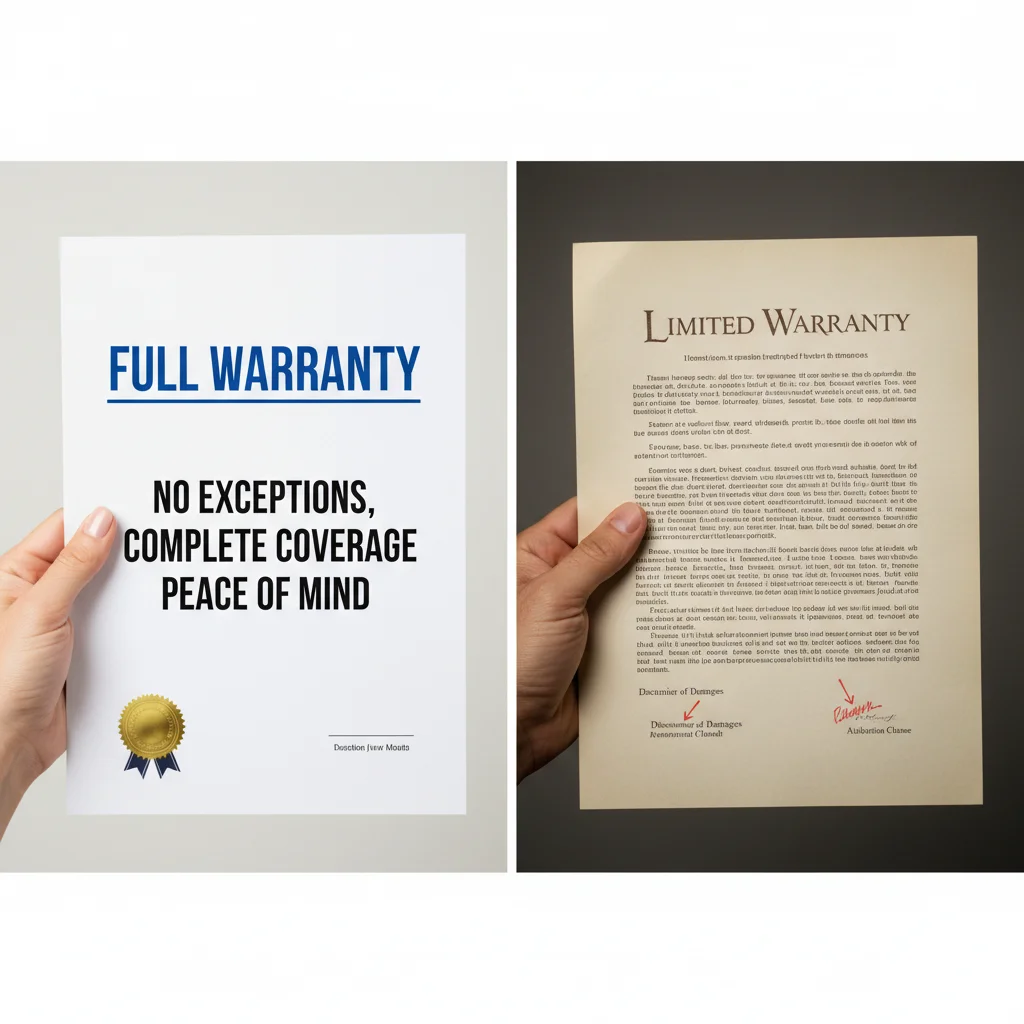
When evaluating a product with a limited warranty in 2026, it is crucial to read the warranty terms carefully. Understand precisely what is covered, what is excluded, and what steps you need to take to make a claim. The Magnuson-Moss Warranty Act ensures these details are accessible, even if the coverage itself is not as extensive as a full warranty.
The Power of Implied Warranties: Your Unspoken Protections
Beyond the explicit terms of written warranties, the Magnuson-Moss Warranty Act provides a vital layer of protection through its handling of "implied warranties." These are unwritten, unstated promises that arise by operation of law, even if they are not explicitly mentioned by the seller or manufacturer. They are fundamental to consumer protection and ensure a baseline level of quality and functionality for products.
Warranty of Merchantability
The most common type of implied warranty is the "warranty of merchantability." This warranty guarantees that a product will:
- Pass without objection in the trade under the contract description.
- Be fit for the ordinary purposes for which such goods are used.
- Be adequately contained, packaged, and labeled as the agreement may require.
- Conform to the promises or affirmations of fact made on the container or label, if any.
In simpler terms, the warranty of merchantability means that the product must be of acceptable quality and suitable for the general purpose for which it was sold. If you buy a toaster in 2026, the implied warranty of merchantability ensures it will toast bread. If it fails to do so shortly after purchase, even without a written warranty, you likely have recourse under this implied warranty.
Warranty of Fitness for a Particular Purpose
Another important implied warranty is the "warranty of fitness for a particular purpose." This arises when a seller knows or has reason to know the particular purpose for which the buyer is purchasing the goods, and the buyer is relying on the seller’s skill or judgment to select suitable goods. For example, if you tell a salesperson you need a specific type of waterproof watch for deep-sea diving, and they recommend a particular model, there’s an implied warranty that the watch will be fit for deep-sea diving.
Magnuson-Moss and Implied Warranties: A Critical Link
The Magnuson-Moss Warranty Act plays a crucial role in preserving these implied warranties. It stipulates that if a seller or manufacturer provides a written warranty (either full or limited), they generally cannot disclaim or modify implied warranties. This means they cannot simply say, "This product comes with no implied warranties."
However, there’s a nuance: while implied warranties cannot be disclaimed, their duration can be limited to the duration of the written warranty if the written warranty is a "limited warranty." If it’s a "full warranty," the duration of implied warranties cannot be limited. This distinction highlights why understanding the type of written warranty is so important.
For consumers in 2026, this provision of the Magnuson-Moss Warranty Act is incredibly powerful. It means that even if a written warranty is minimal, you still have fundamental rights ensuring the product functions as expected for a reasonable period. This is particularly relevant for products where written warranties might be short or have numerous exclusions.
Enforcing Your Rights Under the Magnuson-Moss Warranty Act
Knowing your rights under the Magnuson-Moss Warranty Act is one thing; effectively enforcing them is another. If you encounter a defective product or a warrantor who is unwilling to honor their obligations, the Act provides avenues for recourse. Here’s how to navigate the process for 2026 purchases:
Step 1: Document Everything
The moment you suspect a product defect or an issue with warranty coverage, start documenting. Keep meticulous records of:
- Purchase Date and Location: Receipts, order confirmations, and any proof of purchase.
- Warranty Information: A copy of the written warranty, product manuals, and any associated documentation.
- Problem Description: Detailed notes on the defect, when it occurred, and how it affects the product’s functionality. Photos or videos can be invaluable.
- Communication Records: Dates, times, names of representatives, and summaries of all conversations (phone, email, chat) with the seller or manufacturer. Keep copies of all correspondence.
Good documentation is your strongest ally in any dispute related to the Magnuson-Moss Warranty Act.
Step 2: Contact the Seller or Manufacturer
Your first point of contact should always be the seller or manufacturer. Clearly explain the problem and refer to the terms of your warranty. Be polite but firm. Many issues can be resolved at this stage if you present your case clearly and have your documentation ready. If the initial contact doesn’t resolve the issue, escalate your complaint to a supervisor or through the company’s official customer service channels.
Step 3: Utilize Informal Dispute Settlement Mechanisms
The Magnuson-Moss Warranty Act encourages warrantors to establish informal dispute settlement procedures (IDSPs). If a company offers such a program, you may be required to use it before you can file a lawsuit. These IDSPs are often run by third parties and can be a cost-effective and efficient way to resolve disputes without going to court. The Act sets standards for these IDSPs to ensure fairness and impartiality.
Before using an IDSP, ensure you understand its rules and whether its decisions are binding. While the Act encourages these mechanisms, it also ensures they don’t unfairly disadvantage consumers.

Step 4: Legal Action Under Magnuson-Moss
If informal dispute resolution fails, or if the warrantor does not offer an IDSP, the Magnuson-Moss Warranty Act allows consumers to sue in state or federal court. A significant aspect of the Act is its "fee-shifting" provision. If you win your case, the court can award you attorneys’ fees and litigation costs in addition to damages. This provision is designed to make it financially feasible for consumers to pursue valid claims, even for products that might not have a high individual value.
However, there are jurisdictional requirements for federal court. To sue in federal court under the Act, the amount in controversy must exceed $50,000, and there must be at least 100 named plaintiffs if it’s a class action. For individual claims below $50,000, you would typically file in state court, which can still enforce the provisions of the Magnuson-Moss Warranty Act.
Consulting with an attorney specializing in consumer law is highly recommended if you reach this stage. They can assess the strength of your case, guide you through the legal process, and help you understand your options for pursuing a claim under the Magnuson-Moss Warranty Act.
Products and Scenarios Where Magnuson-Moss is Crucial in 2026
The Magnuson-Moss Warranty Act applies to "consumer products," which are defined as any tangible personal property normally used for personal, family, or household purposes. This broad definition covers a vast array of goods you might purchase in 2026. Here are some key areas where the Act’s protections are particularly vital:
Automobiles and Vehicles
Perhaps one of the most common applications of the Magnuson-Moss Warranty Act is in the automotive industry. When you purchase a new car, truck, or motorcycle, it almost always comes with a written warranty. If your vehicle experiences repeated defects that the manufacturer or dealer cannot fix after a reasonable number of attempts, the Act works in conjunction with state "lemon laws" to provide powerful consumer remedies. While state lemon laws vary, the Magnuson-Moss Warranty Act ensures that if a written warranty is provided, implied warranties cannot be entirely disclaimed, offering an additional layer of protection for significant investments like vehicles.
Major Appliances and Home Electronics
Refrigerators, washing machines, televisions, computers, and other major home appliances and electronics are frequently covered by written warranties. If a brand-new smart appliance fails prematurely or a high-end gaming PC experiences recurring issues, the Magnuson-Moss Warranty Act can be your shield. It ensures that the warranty terms are clear and that you have recourse if the product doesn’t perform as warranted or is not fit for its ordinary purpose.
Smart Home Devices and IoT Products
With the proliferation of smart home devices and Internet of Things (IoT) products, understanding your warranty rights is more important than ever. These devices often rely on complex software and interconnected systems. If a smart thermostat malfunctions or a connected security camera fails to operate as advertised, the Magnuson-Moss Warranty Act helps ensure that manufacturers stand behind their products and that consumers aren’t left with expensive, non-functional gadgets.
New Technologies and Emerging Markets
As 2026 unfolds, we can expect new and innovative products to enter the market. From advanced robotics for domestic use to sophisticated personal health tech, these items will likely come with various warranty offerings. The Magnuson-Moss Warranty Act provides a consistent legal framework that applies to these emerging technologies, ensuring that basic consumer protections are in place regardless of how novel or complex the product may be. It prevents manufacturers from exploiting uncharted territory with vague or non-existent warranty promises.
Common Misconceptions About the Magnuson-Moss Warranty Act
Despite its importance, the Magnuson-Moss Warranty Act is often misunderstood. Clarifying these misconceptions can help consumers better utilize its protections in 2026.
Misconception 1: The Act Requires All Products to Have a Warranty
Reality: The Act does not mandate that products come with a warranty. Manufacturers and sellers are free to sell products "as is" without any written warranty. However, if they choose to offer a written warranty on a consumer product costing more than $10, then that warranty must comply with the Act’s disclosure and content requirements.
Misconception 2: You Must Use Dealer-Branded Parts or Service to Maintain Your Warranty
Reality: This is a common tactic used by some manufacturers, particularly in the automotive sector, but it’s generally false under the Magnuson-Moss Warranty Act. The Act prohibits warrantors from conditioning warranty coverage on the consumer’s use of any article or service identified by brand name, unless the warrantor provides the article or service free of charge or obtains a waiver from the Federal Trade Commission (FTC). This means you can often use aftermarket parts or independent repair shops without voiding your warranty, as long as those parts or services do not cause the defect.
Misconception 3: Product Registration is Required for Warranty Coverage
Reality: While many manufacturers encourage product registration, and it can be helpful for receiving updates or recall notices, a warrantor cannot require you to return a warranty registration card as a condition of warranty coverage under a full warranty. For limited warranties, they might request it, but typically your proof of purchase (receipt) is sufficient to demonstrate the warranty period. Always keep your receipts!
Misconception 4: The Act Only Applies to New Products
Reality: The Act applies to "consumer products" sold with a written warranty. This can include certain used products, especially if they come with a dealer-provided warranty. However, "as is" sales of used products typically do not involve written warranties and therefore would not trigger the Act’s provisions regarding written warranties, though implied warranties might still apply depending on state law and circumstances.
Practical Tips for 2026 Consumers
To maximize your protection under the Magnuson-Moss Warranty Act for your 2026 purchases, consider these practical tips:
- Read Warranties Carefully: Don’t just glance at the "full" or "limited" designation. Read the actual terms. The Act ensures they are understandable, so take advantage of that clarity.
- Retain All Purchase Documents: Your receipt, bill of sale, and any warranty cards are critical. Store them digitally and physically.
- Understand Implied Warranties: Even if a written warranty is short or seems restrictive, remember your rights under implied warranties of merchantability and fitness for a particular purpose.
- Beware of "As Is" Sales: Products sold "as is" typically come without any warranties, written or implied, offering minimal protection.
- Know Your State’s Lemon Laws: While federal, the Magnuson-Moss Warranty Act often works in conjunction with state-specific consumer protection laws, particularly lemon laws for vehicles.
- Don’t Delay: If you discover a defect, act promptly. Delays can complicate your ability to make a successful claim.
- Seek Professional Advice: For complex or persistent warranty issues, consult with a consumer law attorney. The potential for recovering legal fees under the Act can make this a viable option.
The Role of the Federal Trade Commission (FTC)
The Federal Trade Commission (FTC) is the primary federal agency responsible for enforcing the Magnuson-Moss Warranty Act. The FTC issues regulations and guidelines to help businesses comply with the Act and educates consumers about their warranty rights. While the FTC doesn’t typically get involved in individual warranty disputes, it does investigate patterns of deceptive warranty practices or widespread violations by companies.
If you believe a company is engaging in unfair or deceptive warranty practices, you can file a complaint with the FTC. While this won’t directly resolve your personal issue, it contributes to a larger database that the FTC uses to identify and address systemic problems, ultimately benefiting all consumers. The FTC also provides valuable resources and publications on consumer warranties, which are excellent sources of up-to-date information for 2026 and beyond.
Conclusion: Empowering Your 2026 Purchases with Magnuson-Moss Knowledge
The Magnuson-Moss Warranty Act, despite being decades old, remains a cornerstone of consumer protection in the United States. For every significant purchase you make in 2026, understanding its provisions is not just academic; it’s a practical necessity. It empowers you to discern between genuine protection and mere marketing claims, to understand the fundamental quality you are entitled to expect from products, and to know how to effectively seek redress when things go wrong.
By familiarizing yourself with the differences between full and limited warranties, appreciating the unspoken power of implied warranties, and knowing the steps to take when a product fails, you transform from a passive buyer into an informed, assertive consumer. Don’t underestimate the power of this federal law. The insider knowledge provided here about the Magnuson-Moss Warranty Act will serve as an invaluable tool, ensuring your 2026 purchases are not only exciting but also securely protected.
Stay informed, read the fine print, and remember that federal law is on your side when it comes to product warranties.
