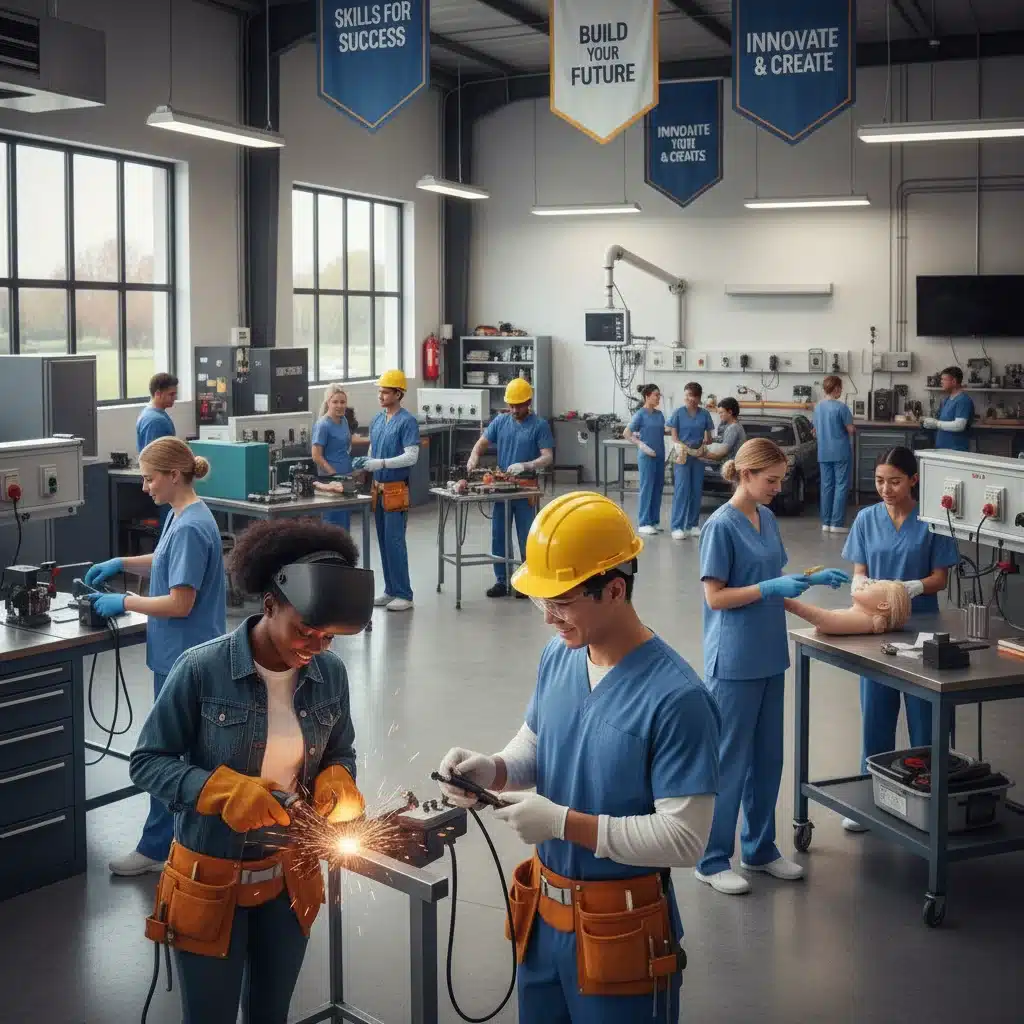
Vocational Training 2026: Discovering High-Paying Trades with a 90% Job Placement Rate
In an ever-evolving job market, the quest for a stable, well-paying career path has never been more critical. As we look towards 2026, a clear trend emerges: vocational training 2026 is not just an alternative to traditional four-year degrees; it’s a direct route to high-demand professions with exceptional job security and impressive earning potential. Forget the outdated stereotypes; modern vocational education is dynamic, hands-on, and directly aligned with industry needs, leading to remarkable job placement rates, often exceeding 90%.
This comprehensive guide will delve into the specific high-paying trades poised for growth in 2026, explore the benefits of vocational education, and provide actionable insights for anyone considering this rewarding career path. Whether you’re a high school graduate, a career changer, or simply looking to upskill, understanding the landscape of vocational training 2026 is your first step towards a prosperous future.
Why Vocational Training is Thriving in 2026
The demand for skilled tradespeople is soaring. Several factors contribute to this surge, making vocational training 2026 an increasingly attractive option:
- Skills Gap: Many experienced tradespeople are retiring, creating a significant void that needs to be filled by a new generation of skilled workers. This ‘silver tsunami’ ensures a consistent demand for trained professionals.
- Technological Advancements: Far from being static, many trades are integrating advanced technologies, requiring new skills and creating more sophisticated, higher-paying roles. Think smart home technology in HVAC, robotics in manufacturing, or advanced diagnostics in automotive repair.
- Economic Resilience: Essential services provided by skilled trades are often recession-proof. People will always need plumbers, electricians, healthcare providers, and automotive technicians, regardless of economic fluctuations.
- Faster Entry to Workforce: Vocational programs are typically shorter than traditional university degrees, allowing graduates to enter the workforce and start earning sooner, often with little to no student loan debt.
- High ROI: The investment in vocational training often yields a faster and higher return on investment compared to many four-year degrees, especially when considering the high starting salaries and low debt burden.
Identifying High-Paying Trades with 90%+ Job Placement in 2026
While specific job placement rates can vary by institution and region, certain sectors consistently report excellent outcomes for their graduates. Here are some of the top high-paying trades projected to have robust demand and high placement rates in 2026:
1. Healthcare Support & Allied Health Professionals
The healthcare industry is an evergreen sector, constantly expanding due to an aging population and advancements in medical technology. Roles in this field often require certifications or associate degrees obtainable through vocational programs, offering quick entry into well-compensated positions.
- Registered Nurse (RN) / Licensed Practical Nurse (LPN): While RNs often require an associate’s or bachelor’s, LPN programs are vocational and in high demand. Both roles are foundational to healthcare, with excellent job security.
- Medical Assistant (MA): MAs perform administrative and clinical tasks, acting as the backbone of many medical offices. Demand is projected to grow significantly, with strong placement rates from accredited programs.
- Dental Hygienist / Dental Assistant: Oral health is crucial, and these professionals are always in demand. Dental hygienists, in particular, command excellent salaries with specialized vocational training.
- Diagnostic Medical Sonographer: Operating ultrasound equipment to create images of the body, these specialists are vital for diagnosis and treatment, enjoying high pay and strong job prospects.
- Surgical Technologist: Assisting surgeons during operations, surgical technologists play a critical role in patient care and are highly sought after.
2. Information Technology (IT) & Cybersecurity Specialists
The digital age ensures that IT professionals remain at the forefront of demand. Vocational programs in IT often focus on specific, in-demand skills, leading to rapid employment.
- Cybersecurity Analyst: With the increasing threat of cyberattacks, businesses desperately need professionals to protect their data. Vocational programs can provide the foundational skills and certifications needed for entry-level roles, which often lead to high-paying careers.
- Network Administrator: Responsible for maintaining an organization’s computer networks, these roles are fundamental to modern business operations.
- Web Developer / Software Developer (Entry-Level): While advanced roles might require degrees, many vocational programs offer intensive bootcamps or associate’s degrees focused on specific programming languages or web development frameworks, leading to immediate job opportunities.
- IT Support Specialist: Every company relies on IT support. Vocational training provides the practical skills to troubleshoot, maintain systems, and assist users, ensuring consistent demand.

3. Skilled Industrial & Construction Trades
Infrastructure development, maintenance, and manufacturing continue to drive a strong need for skilled tradespeople. These roles are often physically demanding but offer excellent wages and benefits.
- Electrician: From residential wiring to industrial systems, electricians are indispensable. The complexity of modern electrical systems ensures ongoing demand and high pay.
- HVAC Technician: Heating, ventilation, and air conditioning systems are essential for comfort and health. As these systems become more complex and energy-efficient, the demand for skilled technicians grows.
- Plumber / Pipefitter: Essential for health and sanitation, plumbers and pipefitters are always in demand for new construction and maintenance.
- Welder: Welding is a foundational skill in manufacturing, construction, and repair. Specialized welding techniques can command very high salaries.
- Heavy Equipment Operator: Critical for construction and infrastructure projects, operators of cranes, bulldozers, and excavators are highly valued.
4. Automotive & Diesel Technology
Despite the rise of electric vehicles, the need for skilled technicians to maintain and repair complex automotive systems, including conventional and hybrid/electric vehicles, remains strong.
- Automotive Service Technician: Modern vehicles are essentially computers on wheels. Technicians need advanced diagnostic skills, which vocational programs provide.
- Diesel Mechanic: Essential for trucking, agriculture, and heavy machinery, diesel mechanics are consistently in high demand and well-compensated.
- Collision Repair Technician: As long as there are cars, there will be accidents. Skilled collision repair specialists are crucial for restoring vehicles safely.
The Core Components of Successful Vocational Training in 2026
What makes a vocational training 2026 program truly effective and capable of delivering a 90%+ job placement rate? It boils down to several key elements:
- Industry-Relevant Curriculum: Programs must be constantly updated to reflect the latest technologies, tools, and best practices in the field. Industry advisory boards often play a crucial role in shaping these curricula.
- Hands-On Learning: The hallmark of vocational education is practical experience. Students spend a significant amount of time in labs, workshops, or simulated environments, mastering their craft.
- Experienced Instructors: Teachers in vocational programs are typically professionals with real-world experience in their respective trades, bringing invaluable insights and practical knowledge to the classroom.
- Certifications and Licensures: Many high-paying trades require specific certifications or licenses. Top vocational programs integrate preparation for these exams directly into their curriculum, ensuring graduates are job-ready.
- Strong Industry Partnerships: Schools with strong ties to local and national businesses often have internship programs, apprenticeship opportunities, and direct hiring pipelines, which are critical for high job placement rates.
- Career Services: Robust career services departments that offer resume building, interview coaching, and job search assistance are vital for connecting graduates with employers.
- Soft Skills Development: Beyond technical skills, programs that emphasize communication, problem-solving, teamwork, and professionalism produce more well-rounded and employable graduates.
Navigating Your Path to Vocational Success in 2026
If you’re considering vocational training 2026, here’s how to ensure you choose the right path and maximize your chances of success:
1. Research In-Demand Trades
Start by identifying trades that align with your interests, aptitudes, and the local job market. Look at labor market statistics, talk to professionals in various fields, and consider the long-term outlook for each profession. The trades listed above are a great starting point.
2. Evaluate Vocational Schools and Programs
Not all programs are created equal. When researching schools, consider:
- Accreditation: Ensure the school and program are accredited by a recognized agency. This is crucial for financial aid eligibility and employer recognition.
- Job Placement Rates: Ask for specific, verifiable job placement statistics for graduates of the program you’re interested in. A 90%+ rate is a strong indicator of quality.
- Curriculum Details: Review the course catalog. Does it cover the latest technologies and skills required in the industry?
- Facilities and Equipment: Visit the campus if possible. Do they have modern, well-maintained equipment that reflects what you’ll use on the job?
- Instructor Experience: Inquire about the instructors’ backgrounds. Do they have significant industry experience?
- Industry Connections: Does the school have partnerships with local businesses for internships, apprenticeships, or direct hiring?
- Cost and Financial Aid: Understand the total cost, and explore all available financial aid options, including scholarships, grants, and federal student loans.
3. Consider Apprenticeships
Many trades, particularly in construction and industrial sectors, offer apprenticeships. These programs combine paid on-the-job training with classroom instruction, allowing you to earn a wage while learning and often leading directly to full-time employment upon completion. Apprenticeships are a golden standard for job placement and often result in zero student debt.
4. Develop Essential Soft Skills
While technical skills are paramount, employers also highly value soft skills. Focus on improving your communication, teamwork, problem-solving, critical thinking, and adaptability. These skills will not only help you secure a job but also advance in your career.
5. Network, Network, Network
Attend industry events, connect with professionals on LinkedIn, and leverage your instructors and career services department for networking opportunities. A strong professional network can open doors to internships, mentorships, and job offers.

Real-World Impact: Success Stories in Vocational Training
The narratives of individuals who have transformed their lives through vocational training 2026 are compelling. Take Sarah, for instance, a high school graduate who wasn’t keen on a traditional four-year degree. She enrolled in an accredited HVAC technician program. Within 18 months, she graduated with several industry certifications and was immediately hired by a local HVAC company, earning a competitive salary and benefits. Her story is a testament to the direct and efficient career path vocational training offers.
Then there’s Mark, a former retail worker looking for a career change. He pursued a cybersecurity bootcamp. Despite having no prior IT experience, the intensive, hands-on program equipped him with the skills to pass industry certification exams. Six months after starting the bootcamp, he secured an entry-level cybersecurity analyst position, a role that offers significant growth potential and a salary far exceeding his previous earnings.
These stories are not anomalies but common outcomes for those who commit to quality vocational programs. The emphasis on practical skills, direct industry relevance, and dedicated career support systems are the pillars of these success stories.
The Future of Work and Vocational Training
As automation and artificial intelligence continue to reshape industries, the demand for human skills that AI cannot easily replicate will only intensify. Trades requiring dexterity, critical thinking, problem-solving in dynamic environments, and human interaction—all central to vocational training—are well-positioned for future stability and growth. The focus of vocational training 2026 is not just on current demands but also on preparing a workforce adaptable to future technological shifts.
Furthermore, the societal value of skilled trades is gaining increasing recognition. There’s a growing appreciation for the tangible contributions these professionals make to our daily lives, from ensuring our homes are comfortable to keeping our infrastructure running and our digital lives secure. This renewed respect, coupled with high earning potential and job security, makes vocational careers incredibly appealing.
Conclusion: Secure Your Future with Vocational Training in 2026
The landscape of education and employment is evolving, and vocational training 2026 stands out as a powerful pathway to a rewarding and secure future. With high-paying trades, exceptional job placement rates, and a direct route to employment, it offers a compelling alternative to traditional higher education.
By carefully researching in-demand fields, selecting accredited programs with strong industry ties, and committing to hands-on learning, you can unlock a career that is both financially stable and personally fulfilling. Don’t overlook the immense opportunities that vocational education presents. Embrace the chance to learn a valuable skill, enter a thriving industry, and build a successful career for years to come. Your future in a high-demand trade starts now.
