Navigating Tomorrow: Top 5 US National Security Threats 2026
Anúncios
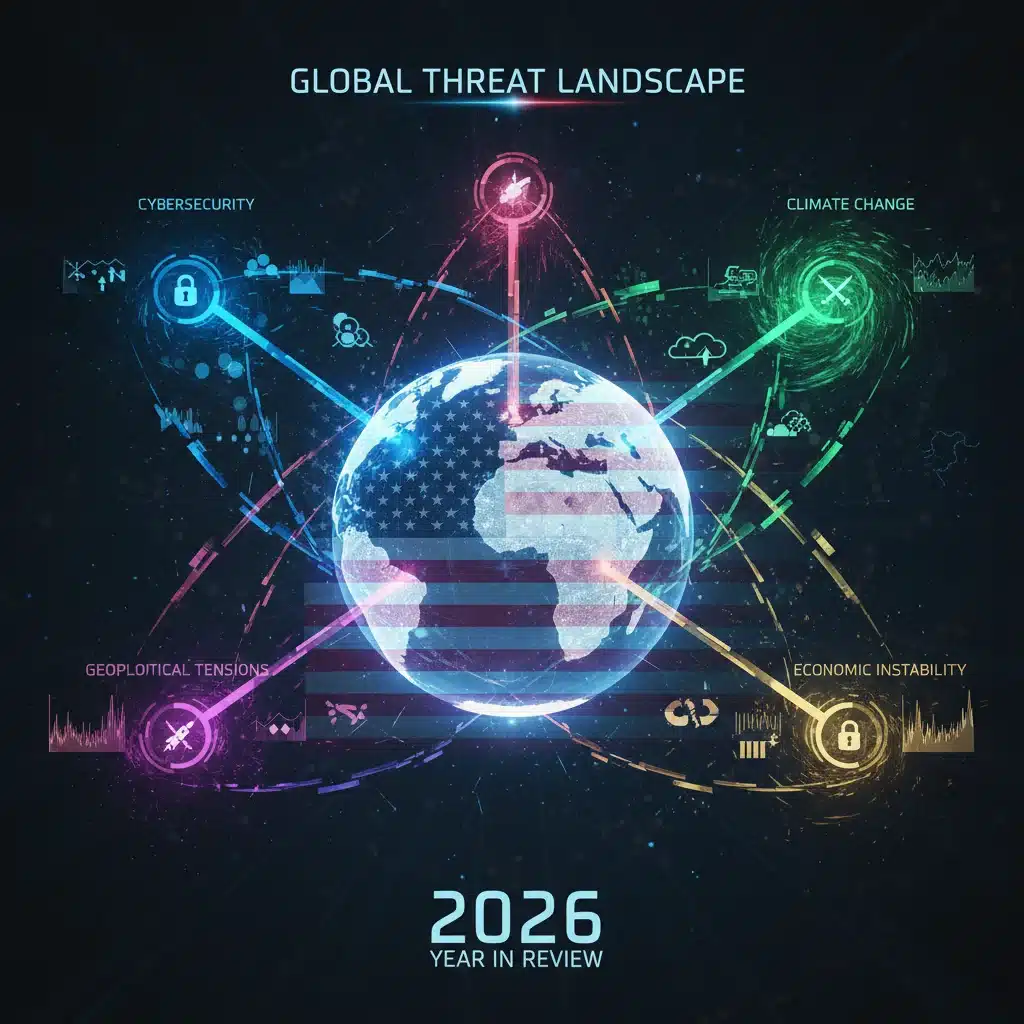
National Security Briefing: Top 5 Threats Identified for the U.S. in 2026
Understanding the Evolving Landscape of Challenges to US National Security 2026
As the geopolitical landscape continues to shift with unprecedented speed, understanding the evolving threats to US National Security 2026 becomes not just a matter of foresight, but of immediate strategic imperative. The year 2026 looms as a critical juncture, shaped by technological advancements, climate change, economic interdependence, and enduring geopolitical rivalries. This comprehensive briefing aims to dissect the top five most pressing national security threats that the United States is likely to face, providing a deeper understanding of their complexities and potential ramifications.
The concept of national security has expanded far beyond traditional military defense. Today, it encompasses economic stability, cybersecurity, public health, environmental resilience, and the integrity of democratic institutions. The interconnectedness of these domains means that a vulnerability in one area can quickly cascade into a multifaceted crisis, challenging the nation’s ability to respond effectively. Preparing for these threats requires a holistic approach, leveraging intelligence, diplomacy, economic strength, and technological innovation.
Our analysis for US National Security 2026 identifies a dynamic interplay of state and non-state actors, emerging technologies, and global phenomena that will test the resilience and adaptability of the United States. From the digital battlefields of cyber warfare to the tangible impacts of climate change, the threats are diverse and demand a robust, multi-layered defense strategy. This article will delve into each of the top five threats, exploring their characteristics, potential impacts, and the strategic considerations necessary to mitigate their risks.
1. Escalating Cyber Warfare and Digital Infrastructure Vulnerabilities
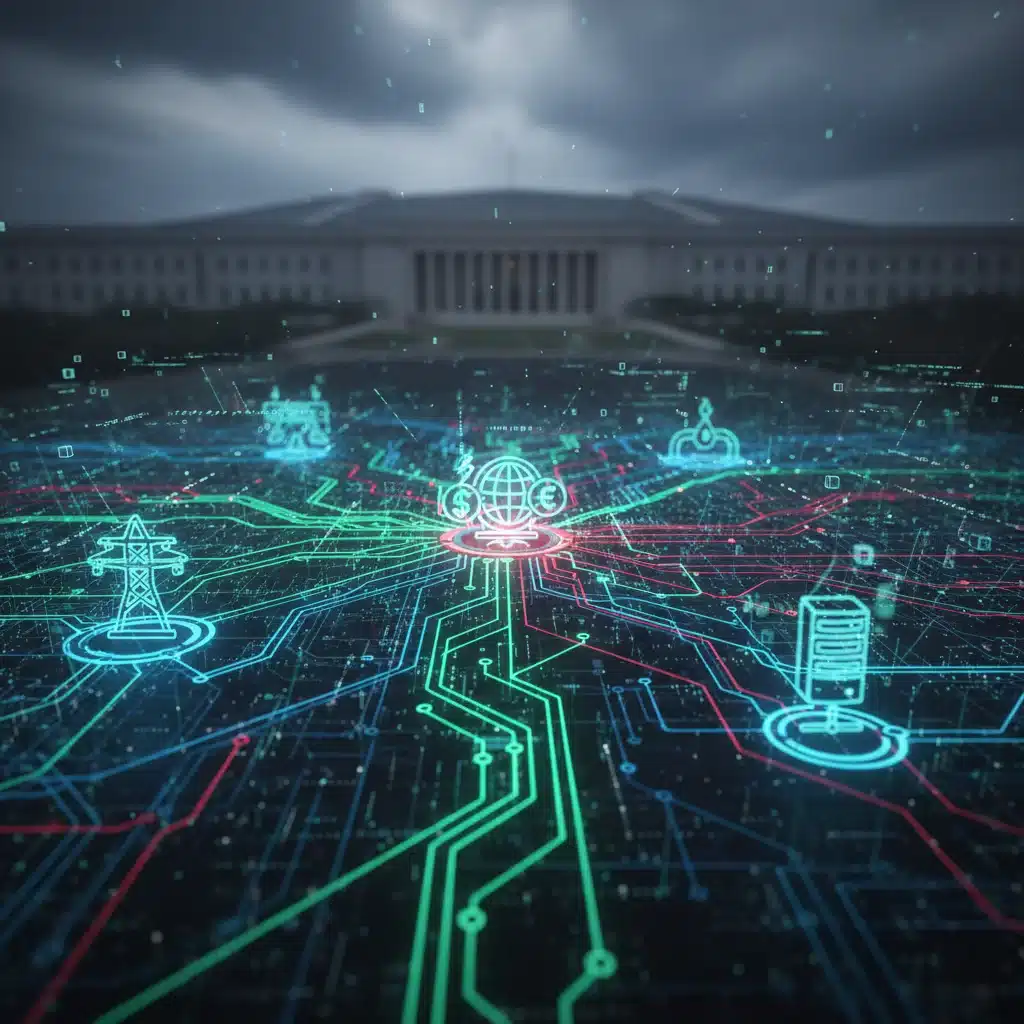
In 2026, cyber warfare is not merely a theoretical concern but a persistent, low-level conflict that occasionally flares into high-impact attacks. The United States’ reliance on digital infrastructure for everything from national defense to critical utilities makes it a prime target. Adversaries, both state-sponsored and independent, are continuously developing more sophisticated tools and techniques to disrupt, steal, and destroy. The threat to US National Security 2026 from this domain is multifaceted and pervasive.
Key concerns include:
- Critical Infrastructure Attacks: Energy grids, water treatment facilities, financial networks, and transportation systems are increasingly digitized and interconnected, creating vast attack surfaces. A successful, coordinated cyberattack could cripple essential services, leading to widespread chaos and economic devastation. The aim might not always be outright destruction, but rather prolonged disruption to sow discord and erode public trust.
- Data Breaches and Espionage: The theft of sensitive government data, intellectual property from corporations, and personal information from citizens continues to be a significant threat. Such breaches can compromise national security secrets, undermine economic competitiveness, and facilitate influence operations. Supply chain attacks, where adversaries compromise software or hardware at an early stage, pose an especially insidious risk, as they can grant persistent access to numerous targets.
- Information Warfare and Disinformation Campaigns: Cyber tools are also powerful instruments for psychological operations. Foreign adversaries utilize social media, deepfakes, and automated bots to spread disinformation, polarize public opinion, and undermine democratic processes. This erosion of trust in institutions and verifiable information poses a profound, existential threat to the fabric of American society and directly impacts US National Security 2026 by weakening national cohesion.
- Emergence of AI-Powered Cyberattacks: The rapid advancement of Artificial Intelligence (AI) and Machine Learning (ML) will likely lead to more autonomous and adaptive cyberattack capabilities. AI could be used to identify vulnerabilities faster, craft more convincing phishing attempts, and orchestrate complex, multi-stage attacks with minimal human intervention, making detection and defense significantly more challenging.
Addressing this threat requires continuous investment in cybersecurity defenses, robust intelligence sharing between government and private sectors, and international cooperation to establish norms and deter malicious actors. Education and public awareness are also crucial to building a resilient digital society capable of discerning truth from falsehood.
2. Geopolitical Instability and Great Power Competition
The global stage in 2026 is characterized by heightened competition among great powers, notably between the United States, China, and Russia, alongside the rise of regional powers. This competition is not limited to military might but extends to economic influence, technological dominance, and ideological narratives. The implications for US National Security 2026 are far-reaching, demanding careful diplomatic and strategic maneuvering.
Key facets of this threat include:
- Sino-American Rivalry: The strategic competition with China is arguably the most significant geopolitical challenge. This rivalry encompasses trade disputes, technological leadership (especially in AI, quantum computing, and semiconductors), military expansion in the Indo-Pacific, and competing visions for global governance. Tensions over Taiwan, the South China Sea, and human rights issues could escalate, requiring careful management to avoid direct conflict while protecting American interests and alliances.
- Russian Assertiveness and European Security: Russia’s continued assertiveness in Eastern Europe and its efforts to destabilize Western democracies remain a serious concern. While its conventional military capabilities may be strained, Russia’s hybrid warfare tactics, including cyberattacks, disinformation, and energy leverage, pose ongoing challenges to European security and, by extension, NATO and US National Security 2026.
- Regional Conflicts and Proxy Wars: Instability in regions like the Middle East, Africa, and parts of Asia can draw the U.S. into complex proxy conflicts, strain resources, and create humanitarian crises. These conflicts often involve non-state actors, making traditional military responses less effective and requiring nuanced diplomatic and development strategies. The proliferation of advanced weaponry to these regions further complicates the security landscape.
- Erosion of International Norms and Institutions: The challenge to the rules-based international order by revisionist powers undermines the very framework that has promoted global stability for decades. This erosion makes it harder to address transnational threats like climate change, pandemics, and terrorism, as multilateral cooperation becomes more difficult.
The U.S. must navigate this complex environment by strengthening alliances, investing in diplomatic capabilities, maintaining a credible defense posture, and strategically competing in key technological and economic sectors. The goal is to deter aggression, uphold international law, and promote a stable, prosperous global order that aligns with American values and interests for US National Security 2026.
3. Climate Change and Environmental Security
Often perceived as a long-term environmental issue, climate change is increasingly recognized as an immediate and profound threat to US National Security 2026. Its impacts are already being felt globally, exacerbating existing vulnerabilities and creating new ones. The interconnected nature of climate change means its effects ripple through various sectors, challenging military readiness, economic stability, and human security.
The climate change threat manifests in several critical ways:
- Extreme Weather Events: An increase in the frequency and intensity of hurricanes, wildfires, floods, and droughts directly impacts military bases, infrastructure, and civilian populations within the U.S. These events can disrupt military operations, strain disaster relief capabilities, and divert resources that could otherwise be used for other national security priorities. The economic costs associated with recovery are also substantial.
- Resource Scarcity and Migration: Climate change contributes to water and food scarcity, particularly in already vulnerable regions. This scarcity can lead to internal displacement and cross-border migration, increasing social unrest, political instability, and potential for conflict. These migratory pressures can strain international relations and humanitarian aid systems, indirectly affecting U.S. interests and requiring significant diplomatic engagement.
- Arctic Competition: As the Arctic ice melts, new shipping lanes and access to natural resources become available. This opens up a new theater for geopolitical competition, particularly with Russia and China, who are increasing their presence in the region. The U.S. needs to develop a robust Arctic strategy to protect its interests, ensure freedom of navigation, and prevent militarization of the region, which is crucial for US National Security 2026.
- Disease Spread and Public Health Crises: Changes in climate patterns can expand the geographic range of vector-borne diseases and create conditions conducive to new zoonotic outbreaks. As evidenced by recent pandemics, public health crises can have devastating economic and social impacts, disrupt global supply chains, and divert national security resources.
Addressing climate change requires a dual approach: mitigating emissions to slow global warming and adapting to the changes already underway. This includes investing in resilient infrastructure, developing early warning systems, and integrating climate considerations into defense planning and foreign policy. International cooperation on climate initiatives is also essential to manage this global threat to US National Security 2026.

4. Economic Instability and Supply Chain Disruptions
Economic stability is a cornerstone of national security. In 2026, the global economy is expected to remain highly interconnected but also increasingly vulnerable to shocks. The U.S. faces threats from potential global recessions, inflationary pressures, sovereign debt crises, and, critically, disruptions to vital supply chains. These economic vulnerabilities directly impact the ability of the U.S. to project power, maintain social cohesion, and fund its defense. The robustness of US National Security 2026 is inextricably linked to its economic health.
Key economic threats include:
- Global Economic Slowdown and Recession Risks: Interconnected global markets mean that economic downturns in one major economy can quickly spread. A significant global recession could reduce demand for American goods and services, increase unemployment, and strain government finances, thereby limiting resources available for national security investments.
- Inflationary Pressures and Cost of Living Crisis: Persistent inflation can erode purchasing power, increase the cost of military procurement, and lead to social unrest. A high cost of living can impact military recruitment and retention, as well as public support for defense spending. Managing inflation while maintaining economic growth is a delicate balance critical for long-term stability.
- Supply Chain Vulnerabilities: The COVID-19 pandemic exposed the fragility of global supply chains, particularly for critical goods like semiconductors, pharmaceuticals, and rare earth minerals. Over-reliance on single sources or adversarial nations for these essential components poses a significant risk. Disruptions can cripple industries, halt defense production, and create economic leverage for adversaries, directly impacting US National Security 2026.
- Cyberattacks on Financial Systems: As discussed, cyber threats extend to the financial sector. A successful, large-scale cyberattack on financial markets or payment systems could trigger widespread panic, undermine confidence, and severely disrupt economic activity, potentially leading to a financial crisis.
- Technological Decoupling and Economic Coercion: The U.S. and its adversaries are increasingly using economic tools, such as sanctions and export controls, as instruments of foreign policy. While these can be effective, they also carry risks of retaliation, unintended consequences, and the fragmentation of the global economy, which could ultimately harm U.S. economic interests.
To mitigate these economic threats, the U.S. must prioritize supply chain resilience, diversify trade relationships, invest in domestic manufacturing of critical goods, and maintain fiscal discipline. Strengthening international economic cooperation and financial regulations can also help to prevent and manage future crises, ensuring a stable foundation for US National Security 2026.
5. Domestic Extremism and Political Polarization
While often viewed as internal challenges, domestic extremism and profound political polarization pose significant threats to US National Security 2026. These internal divisions can weaken national cohesion, undermine democratic institutions, and create opportunities for foreign adversaries to exploit and exacerbate societal rifts. The integrity of the American political system is a vital component of its national security posture.
The threats from within include:
- Rise of Domestic Violent Extremism: Ideologically motivated violent extremism, encompassing both far-right and far-left groups, continues to be a persistent threat. These groups engage in acts of terrorism, target critical infrastructure, and aim to sow discord and undermine government authority. Their actions can lead to social unrest, loss of life, and diversion of law enforcement and intelligence resources.
- Political Polarization and Erosion of Trust: Deepening political divides make it difficult to forge national consensus on critical policy issues, including national security. The erosion of trust in government institutions, the media, and even the electoral process creates a fertile ground for conspiracy theories and anti-democratic movements. This internal strife can be exploited by foreign adversaries through disinformation campaigns, further weakening national resolve and cohesion.
- Challenges to Democratic Institutions: Attempts to subvert electoral processes, intimidate public officials, and undermine the peaceful transfer of power threaten the very foundations of American democracy. A weakened democratic system makes the nation more vulnerable to both internal and external pressures, directly impacting the ability of the U.S. to project strength and stability globally for US National Security 2026.
- Weaponization of Social Divides: Foreign adversaries actively seek to weaponize existing social, racial, and economic divides within the U.S. Their goal is to exacerbate tensions, create chaos, and weaken the nation from within, thereby diminishing its global standing and influence.
Countering these domestic threats requires a multi-pronged approach that includes robust law enforcement and intelligence efforts to disrupt extremist plots, but also long-term strategies to strengthen democratic institutions, promote civic education, and foster media literacy. Addressing the underlying socio-economic factors that contribute to disenfranchisement and radicalization is also crucial for building a more resilient and unified nation, safeguarding US National Security 2026.
Strategic Imperatives for US National Security 2026
Successfully navigating the complex threat landscape of 2026 demands a proactive, integrated, and adaptable national security strategy. The United States cannot afford to address these threats in isolation; their interconnectedness requires a comprehensive and coordinated response across all elements of national power.
Key strategic imperatives include:
- Integrated Deterrence: Moving beyond traditional military deterrence to an integrated approach that combines military strength with economic leverage, technological superiority, diplomatic influence, and robust information warfare capabilities. This aims to deter aggression across all domains, from conventional conflict to cyberattacks and disinformation campaigns, thereby protecting US National Security 2026.
- Technological Leadership: Continued investment in cutting-edge research and development in areas such as AI, quantum computing, biotechnology, and advanced materials. Maintaining a technological edge is crucial for both defense capabilities and economic competitiveness, ensuring the U.S. remains at the forefront of innovation. This also includes securing critical technology supply chains and preventing adversaries from gaining an advantage.
- Strengthening Alliances and Partnerships: Reinvigorating and expanding alliances with like-minded democracies is paramount. Collective security arrangements, intelligence sharing, and coordinated diplomatic efforts amplify U.S. influence and provide a united front against shared threats. Engaging with emerging powers and fostering new partnerships can also help address global challenges.
- Resilience and Adaptability: Building national resilience against various shocks, whether from cyberattacks, natural disasters, or pandemics. This involves hardening critical infrastructure, diversifying supply chains, investing in public health preparedness, and fostering societal cohesion. The ability to rapidly adapt to unforeseen challenges will be a defining characteristic of national security in 2026.
- Investing in Human Capital: A strong national security posture relies on a skilled and diverse workforce, both within government and the private sector. This includes investing in education, STEM fields, and cybersecurity expertise, as well as fostering a culture of critical thinking and civic engagement to counter disinformation.
- Strategic Communication and Public Diplomacy: Effectively communicating American values and interests globally, and countering adversarial narratives. This involves leveraging public diplomacy, cultural exchange, and supporting independent media to promote transparency and counter disinformation, which is vital for maintaining international support and domestic unity for US National Security 2026.
Conclusion
The year 2026 presents a complex and challenging landscape for US National Security 2026. The convergence of escalating cyber warfare, intense geopolitical competition, the pervasive impacts of climate change, economic fragility, and domestic divisions creates a multidimensional threat environment. Each of these threats, while distinct, is deeply interconnected, meaning that a failure to address one can exacerbate others.
However, understanding these threats is the first step towards developing effective solutions. The United States possesses immense strengths: its democratic values, innovative spirit, economic power, and extensive network of alliances. By leveraging these strengths through strategic foresight, integrated policy-making, and unwavering commitment, the nation can not only mitigate these threats but also seize opportunities to shape a more secure and prosperous future.
The path forward requires constant vigilance, continuous adaptation, and a unified national effort. The security of the United States in 2026 and beyond will depend on its ability to anticipate, understand, and strategically respond to these evolving challenges, ensuring the continued safety and prosperity of its citizens and the preservation of its global leadership role.
