Protect Your Money: Essential Consumer Rights Against Online Scams in 2026
Anúncios
Protect Your Money: Essential Consumer Rights Against Online Scams in 2026
The digital landscape, while offering unparalleled convenience and connectivity, has also become a fertile ground for sophisticated online scams. As we navigate 2026, the threat of financial fraud and identity theft through digital channels remains ever-present, evolving with new technologies and tactics. Protecting your money from these pervasive threats is not just about vigilance; it's fundamentally about understanding and asserting your consumer rights. This comprehensive guide is designed to empower you with the knowledge and tools necessary to safeguard your finances, identify fraudulent activities, and know your legal recourse in the face of online deception. Understanding your consumer rights is your first line of defense in effective online scam protection.
The internet has transformed how we shop, bank, and interact, but it has also opened new avenues for criminals. From phishing emails to elaborate investment schemes, online scams are becoming increasingly sophisticated, making it difficult for even the most cautious individuals to distinguish legitimate opportunities from fraudulent ones. The financial impact of these scams can be devastating, leading to significant monetary losses, emotional distress, and long-term financial instability. Therefore, a proactive approach to online scam protection is not merely advisable but essential for everyone engaging in digital activities.
The Evolving Landscape of Online Scams in 2026
Before delving into your rights, it's crucial to understand the current threat landscape. Scammers are constantly refining their methods, leveraging cutting-edge technology and social engineering tactics to exploit vulnerabilities. In 2026, we are seeing a surge in:
- AI-Powered Phishing and Deepfake Scams: Artificial intelligence is enabling scammers to create highly convincing phishing emails, voice calls, and even deepfake videos that mimic trusted individuals or institutions, making it harder to spot fraudulent communication.
- Cryptocurrency and Investment Fraud: The allure of quick riches in the volatile cryptocurrency market continues to attract victims to fraudulent investment platforms and schemes promising unrealistic returns.
- Romance Scams: Exploiting emotional vulnerabilities, scammers build fake relationships online to extract money, often escalating their demands over time.
- Tech Support Scams: Impersonating legitimate tech companies, fraudsters gain remote access to computers or trick users into paying for unnecessary "fixes" or software.
- E-commerce and Delivery Scams: Fake online stores, undelivered goods, and bogus delivery notifications designed to steal personal and financial information are prevalent.
These evolving threats underscore the importance of robust online scam protection strategies and a clear understanding of consumer rights.
Your Fundamental Consumer Rights for Online Scam Protection in 2026
Governments and regulatory bodies worldwide are continuously working to enhance consumer protection in the digital realm. While specific laws may vary by region, several core principles form the foundation of your rights against online scams in 2026. These rights are designed to provide a safety net, offering recourse when you fall victim to fraud and empowering you to demand accountability.
1. The Right to Information and Transparency
You have the right to clear, accurate, and easily accessible information about any product, service, or financial transaction conducted online. This includes:
- Clear Identification of Sellers/Service Providers: Online businesses must clearly state their identity, contact details, and legal registration. Anonymous or vaguely identified entities should raise red flags.
- Transparent Pricing and Terms: All costs, fees, subscription terms, and conditions must be presented clearly and conspicuously before you commit to a purchase or service. Hidden charges or terms buried in fine print are often indicators of potential fraud.
- Accurate Product/Service Descriptions: What is advertised must match what is delivered. Misleading descriptions, false claims, or exaggerated benefits violate your right to accurate information.
2. The Right to Security of Transactions and Data
Your financial transactions and personal data must be protected against unauthorized access, use, or disclosure. This right is paramount for effective online scam protection.
- Secure Payment Gateways: Websites and apps handling payments must use encrypted and secure payment processing systems (e.g., HTTPS, PCI DSS compliance). Look for padlock icons in the browser bar.
- Data Privacy: Companies must clearly outline their data collection, usage, and sharing policies. You have the right to know how your personal information is being handled and to consent to its use. Regulations like GDPR and CCPA provide strong frameworks for this.
- Protection Against Identity Theft: Businesses are obligated to implement reasonable security measures to prevent data breaches that could lead to identity theft.
3. The Right to Redress and Recourse
If you fall victim to an online scam, you have the right to seek redress and resolution. This is a critical aspect of online scam protection.
- Dispute Resolution Mechanisms: Online platforms and financial institutions must provide clear and accessible mechanisms for disputing fraudulent charges or transactions.
- Chargeback Rights: For credit and often debit card transactions, you typically have the right to initiate a chargeback if a product or service was not delivered, was not as described, or if the transaction was unauthorized.
- Reporting Fraud: You have the right to report online scams to relevant authorities (e.g., consumer protection agencies, law enforcement) and expect these reports to be investigated.
4. The Right to Cancellation and Refund (Distance Selling)
When purchasing goods or services online, you often have specific rights related to cancellation and refunds, especially under "distance selling" regulations.
- Cooling-off Period: Many jurisdictions grant a "cooling-off" period (e.g., 14 days) during which you can cancel an online purchase without reason and receive a full refund.
- Refund for Non-Delivery or Faulty Goods: If an item is not delivered within the agreed timeframe or arrives damaged/faulty, you are entitled to a refund or replacement.
Understanding these fundamental rights is the bedrock of robust online scam protection.
Practical Strategies for Enhanced Online Scam Protection
While your rights provide a legal framework, proactive measures are your strongest defense. Here are practical strategies to enhance your online scam protection:
1. Be Skeptical and Verify
The golden rule of online safety is "if it seems too good to be true, it probably is."
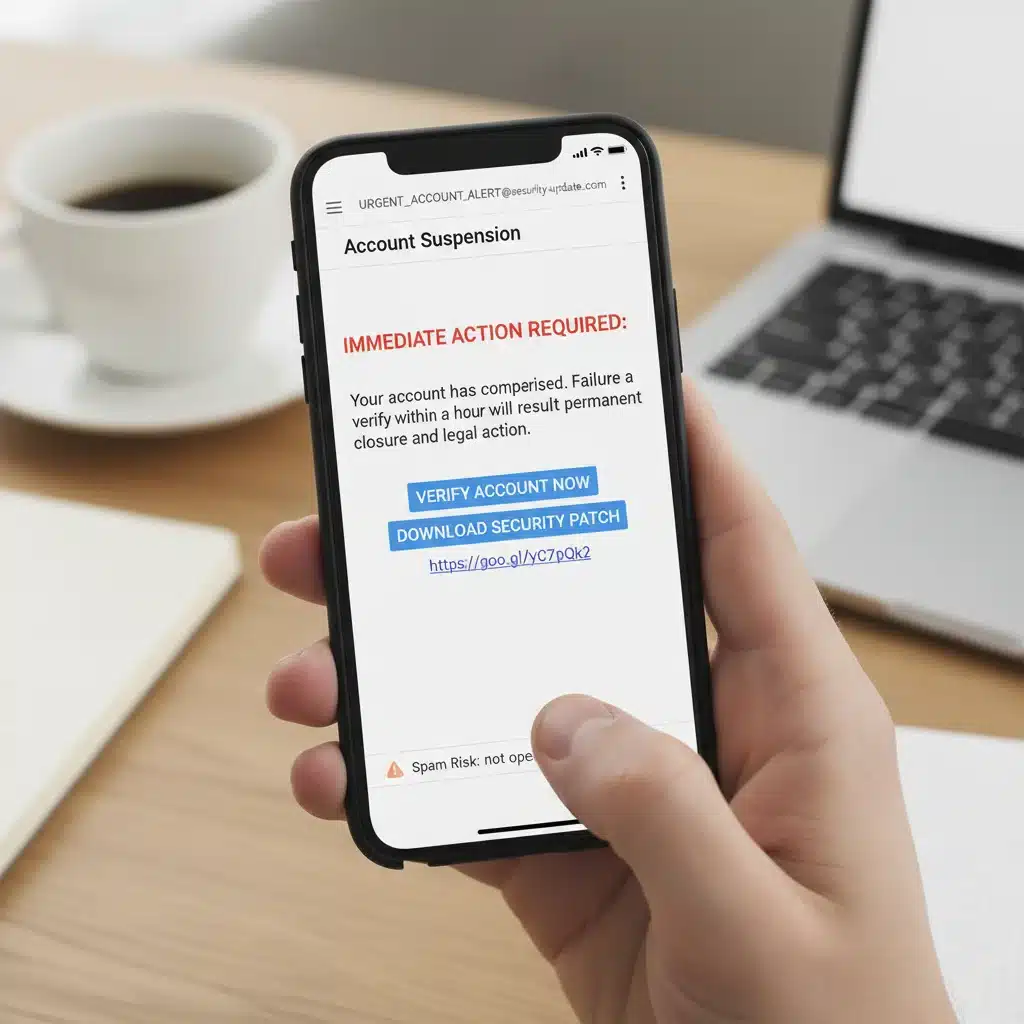
- Verify Sender Identity: Always double-check email addresses, phone numbers, and website URLs. Scammers often use slight variations of legitimate names.
- Research Companies/Individuals: Before making a purchase or investment, research the seller or platform. Look for reviews, check their registration, and verify their physical address and contact information.
- Avoid "Urgent" or "Threatening" Messages: Scammers often create a sense of urgency or fear to pressure you into immediate action. Legitimate organizations rarely demand immediate payments or threaten legal action without prior notice.
2. Secure Your Digital Environment
Your devices and accounts are your first line of defense.
- Strong, Unique Passwords: Use complex, unique passwords for every online account. Consider a password manager to help you manage them.
- Multi-Factor Authentication (MFA): Enable MFA whenever possible. This adds an extra layer of security, typically requiring a code from your phone in addition to your password.
- Keep Software Updated: Regularly update your operating system, web browser, and antivirus software to patch security vulnerabilities.
- Use Antivirus/Anti-Malware Software: Install reputable security software and keep it active and updated to detect and remove malicious threats.
3. Prudent Financial Practices
How you handle your money online significantly impacts your risk exposure.
- Monitor Bank Statements: Regularly review your bank and credit card statements for any unauthorized transactions. Report discrepancies immediately.
- Use Credit Cards for Online Purchases: Credit cards often offer better fraud protection and chargeback rights than debit cards.
- Be Cautious with Public Wi-Fi: Avoid conducting sensitive transactions (banking, shopping) on unsecured public Wi-Fi networks.
- Avoid Sharing Sensitive Information: Never share your PINs, full credit card numbers (beyond what's required for a transaction), or social security number via email, text, or unverified phone calls.
4. Educate Yourself Continuously
The best defense against evolving scams is continuous learning. Stay informed about the latest scam tactics by following consumer protection agencies, cybersecurity blogs, and reputable news sources. Understanding new threats is a key component of effective online scam protection.
What to Do If You Become a Victim of an Online Scam
Even with the best precautions, anyone can fall victim to an online scam. Knowing the immediate steps to take can mitigate the damage and improve your chances of recovery. This is where your right to redress and recourse becomes critical.
1. Act Immediately
- Cease All Communication: Stop all contact with the scammer.
- Secure Your Accounts: Change passwords for all affected accounts (email, banking, social media, etc.). Enable MFA if not already active.
- Contact Your Bank/Financial Institution: Immediately report any fraudulent transactions to your bank or credit card company. They can often freeze accounts, cancel cards, and initiate chargeback procedures.
2. Gather Evidence
Collect all possible evidence related to the scam. This includes emails, text messages, chat logs, transaction records, website URLs, and any other communication or documentation. This evidence will be crucial for reporting the scam to authorities and for any potential recovery efforts.
3. Report the Scam
Reporting is a vital step in online scam protection, not just for your own recovery but also to help prevent others from falling victim. Where to report depends on your location and the nature of the scam:
- Local Law Enforcement: File a police report, especially if you've lost a significant amount of money or believe your identity has been compromised.
- Consumer Protection Agencies: Report to national or regional consumer protection bodies (e.g., the Federal Trade Commission (FTC) in the US, Action Fraud in the UK, ACCC in Australia).
- Internet Crime Complaint Center (IC3): For internet-related crimes, the IC3 (in the US) is a key resource.
- Financial Regulators: If the scam involves investment products or regulated financial services, report to the relevant financial authority.
- Platform Providers: Report fraudulent accounts or activities to the social media platform, email provider, or online marketplace where the scam originated.
4. Seek Legal Advice (If Necessary)
For significant losses or complex cases, consulting with a legal professional specializing in consumer law or cybercrime can be beneficial. They can advise you on your specific rights and available legal avenues for recovery. This step is a direct exercise of your right to recourse.
The Role of Regulatory Bodies and Future Outlook for 2026
As online scams become more sophisticated, regulatory bodies are continually adapting their strategies to provide better online scam protection. In 2026, we can expect:
- Enhanced Cross-Border Cooperation: Scams often transcend national borders, necessitating greater international collaboration among law enforcement and regulatory agencies.
- Stronger Data Protection Laws: Continued evolution and enforcement of data privacy regulations to hold companies accountable for protecting user data.
- AI-Powered Detection and Prevention: Regulators and financial institutions will increasingly leverage AI to detect fraudulent patterns and prevent scams in real-time.
- Increased Public Awareness Campaigns: Ongoing efforts to educate the public about common scam tactics and how to protect themselves.
These developments, coupled with your informed vigilance, form a robust ecosystem for online scam protection.
Case Studies: Learning from Others' Experiences
Understanding real-world examples of online scams and their resolution can provide invaluable insights for online scam protection.
Case Study 1: The Phishing Impersonator
Sarah received an email seemingly from her bank, asking her to "verify her account details" due to unusual activity. The email looked legitimate, with the bank's logo and familiar formatting. She clicked the link, which led to a fake login page, and entered her credentials. Within hours, unauthorized transactions appeared on her statement.
- What went wrong: Sarah didn't verify the sender's email address or the website URL. The scammer successfully harvested her login details.
- Her recourse: She immediately contacted her bank, reported the fraudulent transactions, and initiated a chargeback. The bank, recognizing the phishing attack, reversed the charges due to her quick action and the bank's internal fraud protection policies. She also changed all her passwords and enabled MFA.
- Consumer Right Applied: Right to Redress and Recourse, specifically chargeback rights.
Case Study 2: The "Too Good to Be True" Investment
David was approached on social media by someone claiming to be a successful crypto trader. After several weeks of building rapport, the "trader" convinced David to invest in a "guaranteed high-return" crypto platform. David invested a significant sum, seeing impressive (but fake) returns on a dashboard, and even "wThe "customer service" email bounced. The website eventually disappeared.
- What went wrong: Maria didn't thoroughly vet the online store. The prices were unrealistic, and she used a debit card, which often has less fraud protection than a credit card.
- Her recourse: She immediately contacted her bank to report the unauthorized transaction and initiated a dispute. While a debit card chargeback can be harder, her bank investigated and, based on the non-delivery and the fraudulent nature of the merchant, was able to recover her funds. She also reported the fake store to consumer protection agencies.
- Consumer Right Applied: Right to Refund for Non-Delivery, Right to Redress and Recourse.
These case studies highlight that even when victims make mistakes, their consumer rights, when actively pursued, can offer avenues for recovery and justice. They also underscore the critical need for continuous vigilance and proactive online scam protection.
Conclusion: Empowering Yourself for Online Scam Protection
In 2026, navigating the digital world safely requires a combination of awareness, proactive measures, and a clear understanding of your consumer rights. While the tactics of online scammers will continue to evolve, your ability to identify threats, secure your digital footprint, and assert your rights remains your most powerful defense. By staying informed, practicing skepticism, and knowing the steps to take if fraud occurs, you can significantly reduce your risk and protect your money. Remember, robust online scam protection is not just a responsibility; it's a fundamental right in the digital age. Empower yourself with knowledge, and ensure your financial well-being online.
