Consumer Rights for Online Purchases: What to Do When a Product Doesn’t Arrive in 2026 (PRACTICAL SOLUTIONS)
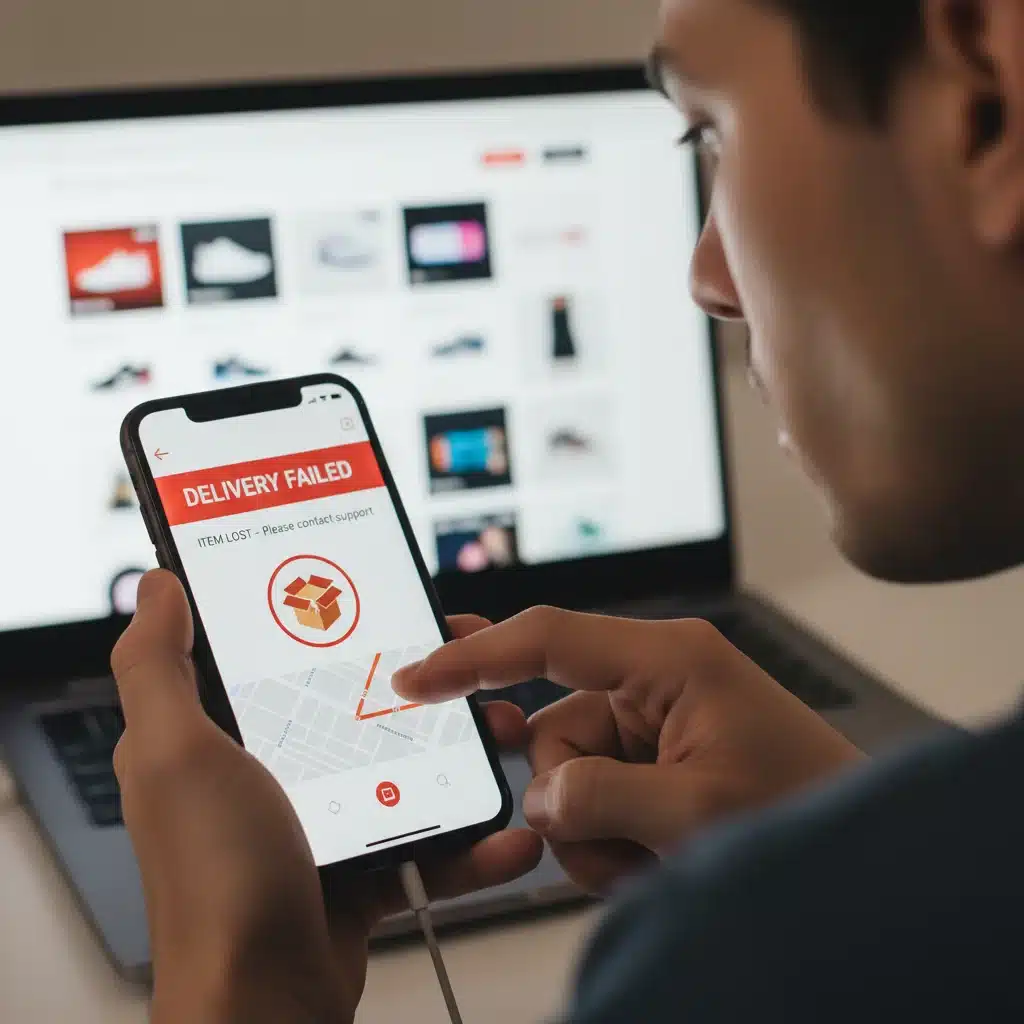
In the digital age, online shopping has become an indispensable part of our lives. The convenience, variety, and competitive pricing offered by e-commerce platforms are undeniable. However, with the increasing volume of online transactions, the chances of encountering issues also rise. One of the most frustrating problems a consumer can face is when a purchased product not arrived as expected. This comprehensive guide will walk you through your consumer rights in 2026 and provide practical, actionable steps to take when your online order goes missing.
Understanding your rights is the first and most crucial step. Many consumers feel powerless when a package doesn’t show up, assuming the worst or not knowing where to turn. This article aims to empower you with the knowledge and tools to effectively resolve such disputes. We’ll cover everything from initial checks to legal recourse, ensuring you’re well-equipped to handle situations where your product not arrived.
The Digital Shopping Landscape of 2026: Why Your Product Might Not Arrive
While e-commerce continues to evolve with advanced logistics and delivery systems, several factors can still lead to a situation where your product not arrived. Understanding these common culprits can help you identify the root cause faster:
- Logistical Errors: Misrouting, incorrect sorting, or packages getting lost within vast shipping networks.
- Seller Issues: The seller might have forgotten to ship the item, provided incorrect tracking information, or even engaged in fraudulent practices.
- Delivery Carrier Problems: Packages marked as delivered but not found, left at the wrong address, or stolen after delivery (porch piracy).
- Customs Delays: For international shipments, items can get held up in customs for various reasons, leading to significant delays.
- Incorrect Address: A simple typo in the shipping address can lead to the package being undeliverable.
- Technical Glitches: Issues with tracking systems or order processing can sometimes lead to confusion about an item’s status.
Regardless of the reason, the burden often falls on the consumer to initiate the resolution process. Knowing your consumer rights is your strongest defense.
Your Fundamental Consumer Rights When a Product Not Arrived
Consumer protection laws are designed to safeguard buyers from unfair business practices, especially in online transactions. While specific regulations can vary by region (e.g., EU, US, UK, Canada, Australia), several fundamental rights are widely recognized:
Right to Receive Goods as Described and Paid For
When you make an online purchase, you enter into a contract with the seller. The seller is legally obligated to deliver the goods you paid for. If the product not arrived, they have failed to uphold their end of the agreement.
Right to a Timely Delivery
Sellers are typically required to deliver goods within a reasonable timeframe. If a specific delivery date or window was promised, and the item doesn’t arrive within that period, the seller may be in breach of contract. Many jurisdictions specify a default delivery period (e.g., 30 days in the EU) if no other timeframe is agreed upon.
Right to Information and Tracking
You have a right to clear information regarding your purchase, including order confirmation, shipping details, and, where applicable, tracking information. Transparency is key, and if a seller fails to provide this, it can be a red flag if your product not arrived.
Right to a Refund or Replacement
If a product is genuinely lost, damaged in transit, or never arrives, you generally have the right to a full refund or a replacement item, provided you follow the correct procedures. This right is paramount for consumer confidence in online shopping.
Immediate Steps to Take When Your Product Not Arrived
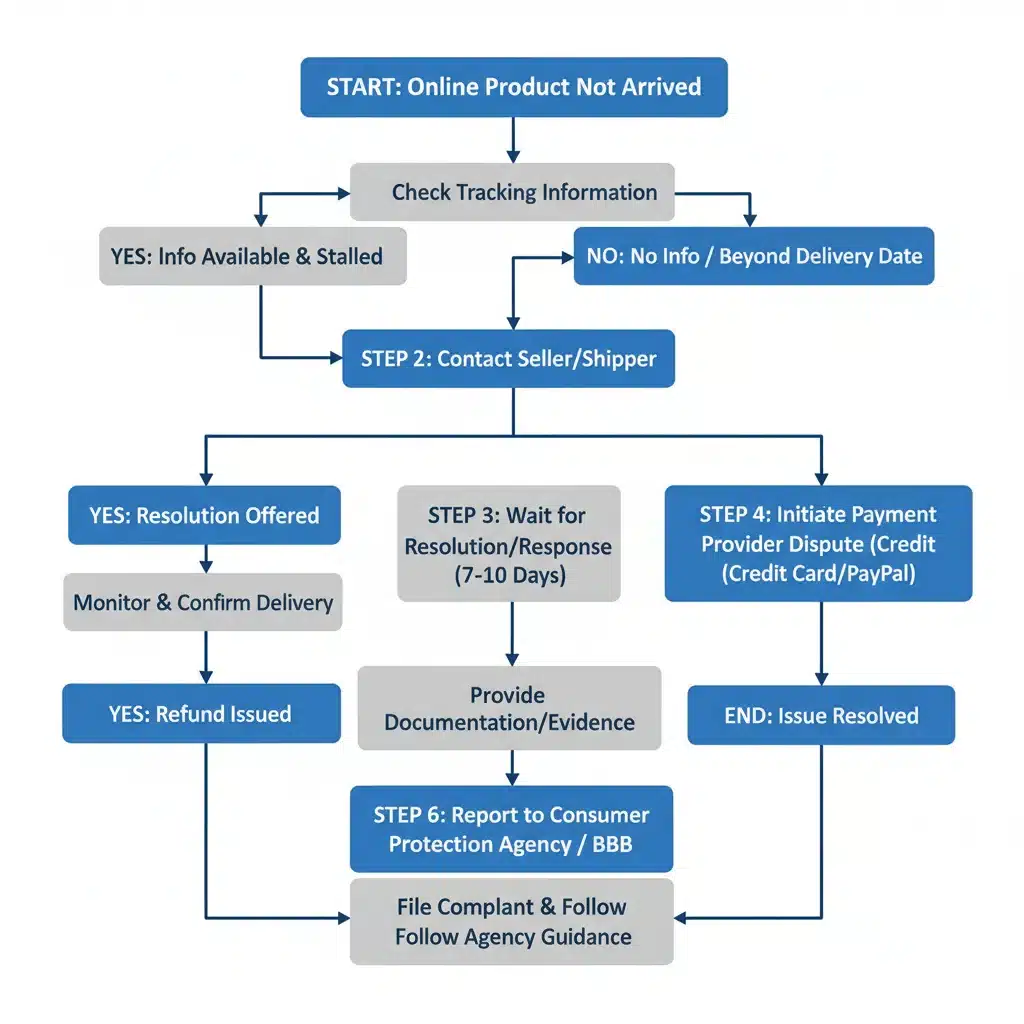
Don’t panic! Most cases of a missing product not arrived can be resolved with a systematic approach. Here’s what you should do immediately:
1. Check Your Order Details and Tracking Information Thoroughly
Before contacting anyone, double-check all the information related to your order:
- Order Confirmation Email: Verify the shipping address you provided. A common mistake is an incorrect house number or postcode.
- Tracking Number: Use the provided tracking number on the carrier’s official website (e.g., FedEx, UPS, DHL, USPS). Sometimes, third-party tracking sites might not be up-to-date.
- Delivery Status: Has the tracking status updated recently? Is it marked as ‘delivered’ but you haven’t received it? If so, check with household members, neighbors, or building management.
- Estimated Delivery Date: Ensure the delivery window has actually passed. Sometimes, items are just slightly delayed.
2. Contact the Seller/Retailer First
This is almost always the first official step. Most reputable sellers have established protocols for dealing with missing packages. Provide them with all relevant information:
- Your order number.
- The date of purchase.
- The item(s) purchased.
- The shipping address.
- A clear explanation that your product not arrived.
- Any tracking information you have, including the last known status.
Keep a record of all communications, including dates, times, names of representatives, and summaries of conversations. Email is often preferred for documentation purposes.
3. Contact the Delivery Carrier (If Applicable)
If the seller directs you to the carrier, or if the tracking shows ‘delivered’ but you have no package, contact the delivery company directly. Provide them with the tracking number and explain the situation. They may have more detailed internal tracking or be able to initiate a search for the package. Be polite but firm.
Escalating the Issue: When Initial Attempts Fail
If your attempts to resolve the issue directly with the seller or carrier prove unsuccessful, it’s time to escalate. This often involves leveraging the protection offered by your payment method or consumer protection agencies.
4. File a Dispute with Your Payment Provider
This is one of the most effective avenues when a product not arrived. Credit card companies, PayPal, and other payment services offer buyer protection. The process usually involves:
- Credit Card Companies: Contact your credit card issuer and explain that you did not receive the goods you paid for. They will typically initiate a ‘chargeback’ process, investigating the claim and potentially reversing the charge. You will usually need to provide evidence of your attempts to resolve the issue with the seller.
- PayPal/Other Payment Platforms: Most platforms have a ‘dispute resolution center’ or ‘buyer protection’ program. Log into your account, find the transaction, and open a dispute. Follow their instructions, providing all necessary documentation.
Be aware of the time limits for filing disputes, which can range from 60 to 180 days from the date of purchase or transaction, depending on the provider.
5. Leverage E-commerce Platform Buyer Protection
If you purchased through a marketplace like Amazon, eBay, Etsy, or a similar platform, they often have their own buyer protection policies. These policies are designed to protect you when a product not arrived or is not as described. Navigate to their resolution center or help section and follow their specific dispute process. These platforms often act as intermediaries and can compel sellers to resolve issues.
Advanced Measures: Consumer Protection and Legal Recourse
If all else fails, it’s time to turn to official consumer protection bodies or consider legal options. These steps are generally reserved for more stubborn cases or when significant amounts of money are involved.
6. Contact Consumer Protection Agencies
These government or non-profit organizations are dedicated to protecting consumer rights. They can provide advice, mediate disputes, or even take action against unscrupulous businesses. Search for the relevant agency in your region:
- United States: Federal Trade Commission (FTC), Better Business Bureau (BBB), state Attorney General’s office.
- European Union: European Consumer Centre Network (ECC-Net), national consumer protection bodies.
- United Kingdom: Citizens Advice, Trading Standards.
- Canada: Competition Bureau, provincial consumer affairs offices.
- Australia: Australian Competition and Consumer Commission (ACCC), state consumer affairs agencies.
These agencies can be powerful allies when a product not arrived and the seller is unresponsive or uncooperative.
7. Consider Small Claims Court (Last Resort)
For significant purchases where other avenues have failed, small claims court might be an option. This is typically a simplified legal process designed for individuals to resolve disputes without needing expensive lawyers. You would need to gather all your documentation, including proof of purchase, communication with the seller, and evidence that the product not arrived.
Before pursuing this, weigh the cost and time commitment against the value of the item. It’s often a last resort for substantial losses.
Preventive Measures for Online Shopping in 2026
While this guide focuses on what to do when a product not arrived, prevention is always better than cure. Here are tips to minimize your risk:
- Research Sellers: Before purchasing, check seller reviews, ratings, and return policies. Look for contact information and a physical address.
- Secure Payment Methods: Use credit cards or reputable payment platforms that offer strong buyer protection. Avoid direct bank transfers to unknown sellers.
- Read Product Descriptions Carefully: Ensure you understand what you’re buying and its estimated delivery timeframe.
- Keep Records: Save all order confirmations, shipping emails, and tracking numbers. Screenshot relevant pages.
- Monitor Tracking: Keep an eye on your package’s journey.
- Insured Shipping: For expensive items, consider opting for insured shipping if available.
- Deliver to Secure Locations: If porch piracy is an issue in your area, consider using package lockers, workplace delivery, or requiring a signature.
What to Do if a Package is Marked ‘Delivered’ But You Don’t Have It
This is a particularly frustrating scenario where your tracking shows the item has arrived, but your product not arrived at your doorstep. Here’s a more detailed approach:
- Check Everywhere: Look around your property – behind bushes, under mats, with neighbors, or in a mailroom. Delivery drivers sometimes leave packages in less obvious but secure spots.
- Wait a Day or Two: Occasionally, packages are prematurely marked as ‘delivered’ and show up a day or two later.
- Contact the Carrier Immediately: Report the ‘missing package’ to the delivery carrier. They can often geo-locate where the package was scanned as delivered or contact the specific driver.
- File a Police Report (for theft): If you suspect theft (e.g., porch piracy), and especially for high-value items, filing a police report can be useful for insurance claims or chargebacks, even if the police can’t recover the item.
- Notify the Seller: Inform the seller that the package was marked delivered but is missing. They may have policies in place to reship or refund in such cases, especially if it’s a recurring issue with that carrier or location.
Understanding Seller Responsibilities and Liabilities
It’s crucial to understand that in most consumer protection frameworks, the seller is responsible for ensuring the item reaches you. This means that if the product not arrived, the seller generally bears the primary responsibility, not the shipping carrier, from the consumer’s perspective. The seller is the one who chose and paid the carrier, and their contract is with you, the buyer, to deliver the goods.
This responsibility typically extends until the item is successfully delivered to your specified address. If a seller tries to deflect blame entirely onto the shipping company, remind them of their obligation to you as the consumer. They are usually the ones who need to open an investigation with the carrier, not you.
The Role of Terms and Conditions
Before making a purchase, especially from smaller or international retailers, take a moment to review their terms and conditions. Pay close attention to sections on:
- Shipping Policy: What are their estimated delivery times? Do they offer insurance?
- Lost/Missing Package Policy: What is their procedure if a product not arrived? Do they offer refunds or replacements?
- Dispute Resolution: How do they handle complaints and disputes?
While a seller’s terms and conditions cannot override your statutory consumer rights, they can provide clarity on their internal processes and expectations.
International Purchases and Cross-Border Disputes
When you buy from an international seller and your product not arrived, the situation can become more complex due to differing laws and jurisdictions. However, mechanisms are in place to help:
- Payment Provider Protection: This remains your strongest ally. Credit card companies and PayPal often offer global protection.
- E-commerce Platform Protection: Major global platforms usually have consistent buyer protection policies regardless of the seller’s location.
- European Consumer Centre Network (ECC-Net): If you are in the EU and purchased from another EU country, ECC-Net can assist.
- Local Consumer Agencies: Some national consumer protection agencies may offer limited assistance for international disputes.
- Customs Issues: If customs is holding your item, they should contact you. Be prepared to pay any duties or taxes. If you believe the hold is erroneous, contact the customs agency directly with your tracking number.
Always be extra cautious when buying from unknown international sellers, as recourse can be more challenging.
Documentation is Key: Build Your Case
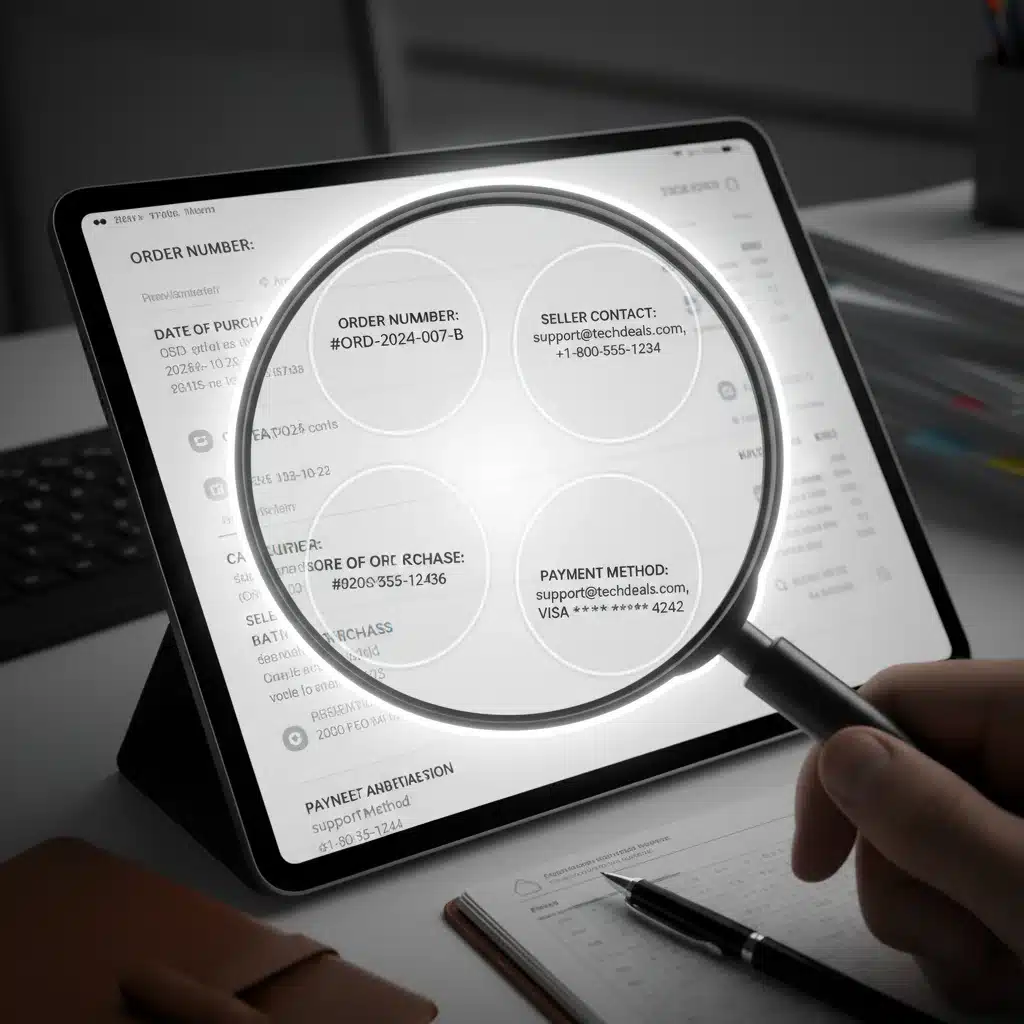
Throughout this entire process, meticulous record-keeping cannot be overstated. Every interaction, every email, every phone call (with notes on date, time, and person spoken to) contributes to building a strong case. This documentation will be invaluable if you need to escalate the issue to your payment provider, an e-commerce platform, or a consumer protection agency. Essential documents include:
- Order confirmation emails
- Shipping confirmation emails with tracking numbers
- Screenshots of tracking information
- Correspondence with the seller (emails, chat logs)
- Correspondence with the shipping carrier
- Bank or credit card statements showing the transaction
- Any terms and conditions or product descriptions saved at the time of purchase
Having these records readily available significantly streamlines the dispute resolution process and strengthens your claim that your product not arrived.
Conclusion: Empowering Your Online Shopping Experience
While the frustration of a product not arrived can be immense, remember that you are not without recourse. As an online consumer in 2026, you are protected by a robust framework of rights and mechanisms designed to ensure fair play. By following the practical steps outlined in this guide – from initial checks and seller contact to leveraging payment provider protection and consumer agencies – you significantly increase your chances of resolving the issue successfully.
The key is to be proactive, persistent, and well-informed. Keep detailed records, understand your rights, and don’t hesitate to escalate when necessary. Online shopping should be a convenient and enjoyable experience, and knowing how to navigate potential pitfalls ensures it remains so. Shop smart, stay vigilant, and always know what to do when your anticipated package fails to appear.
