
How to File an Effective Consumer Complaint in 2026: A Step-by-Step Guide for US Residents (PRACTICAL SOLUTIONS)
In an increasingly complex marketplace, consumers often encounter issues ranging from faulty products and misleading services to billing discrepancies and unfair practices. While these experiences can be frustrating, understanding how to file an effective consumer complaint is a powerful tool for resolution and advocacy. This comprehensive guide is specifically tailored for US residents in 2026, offering practical, step-by-step solutions to navigate the complaint process and achieve satisfactory outcomes.
Whether you’re dealing with a large corporation or a local business, knowing your rights and the proper channels to voice your concerns is paramount. This article will walk you through everything from initial preparation to leveraging official regulatory bodies, ensuring your consumer complaint guide is not just a document, but a roadmap to justice.
Understanding Your Rights: The Foundation of an Effective Consumer Complaint
Before you even think about drafting a consumer complaint, it’s crucial to understand the consumer protection laws that safeguard your interests. In the United States, consumer rights are protected at both federal and state levels. Federal agencies like the Federal Trade Commission (FTC) and the Consumer Financial Protection Bureau (CFPB) oversee broad categories of consumer issues, while state Attorneys General and local consumer protection agencies handle more localized concerns.
Key consumer rights often include:
- The Right to Safety: Protection against products and services that are hazardous to health or life.
- The Right to Be Informed: Access to accurate and complete information to make informed choices.
- The Right to Choose: Access to a variety of products and services at competitive prices.
- The Right to Be Heard: Assurance that consumer interests will receive full and sympathetic consideration in the formulation of government policy, and fair and expeditious treatment in administrative tribunals.
- The Right to Redress: The ability to obtain remedies for problems, including compensation for misrepresentation, shoddy goods, or unsatisfactory services.
Familiarizing yourself with these fundamental rights will empower you and provide a solid foundation for your consumer complaint. A well-informed consumer is a powerful consumer, and this guide aims to equip you with that power.
Step 1: Gather All Necessary Information and Evidence (The Preparation Phase)
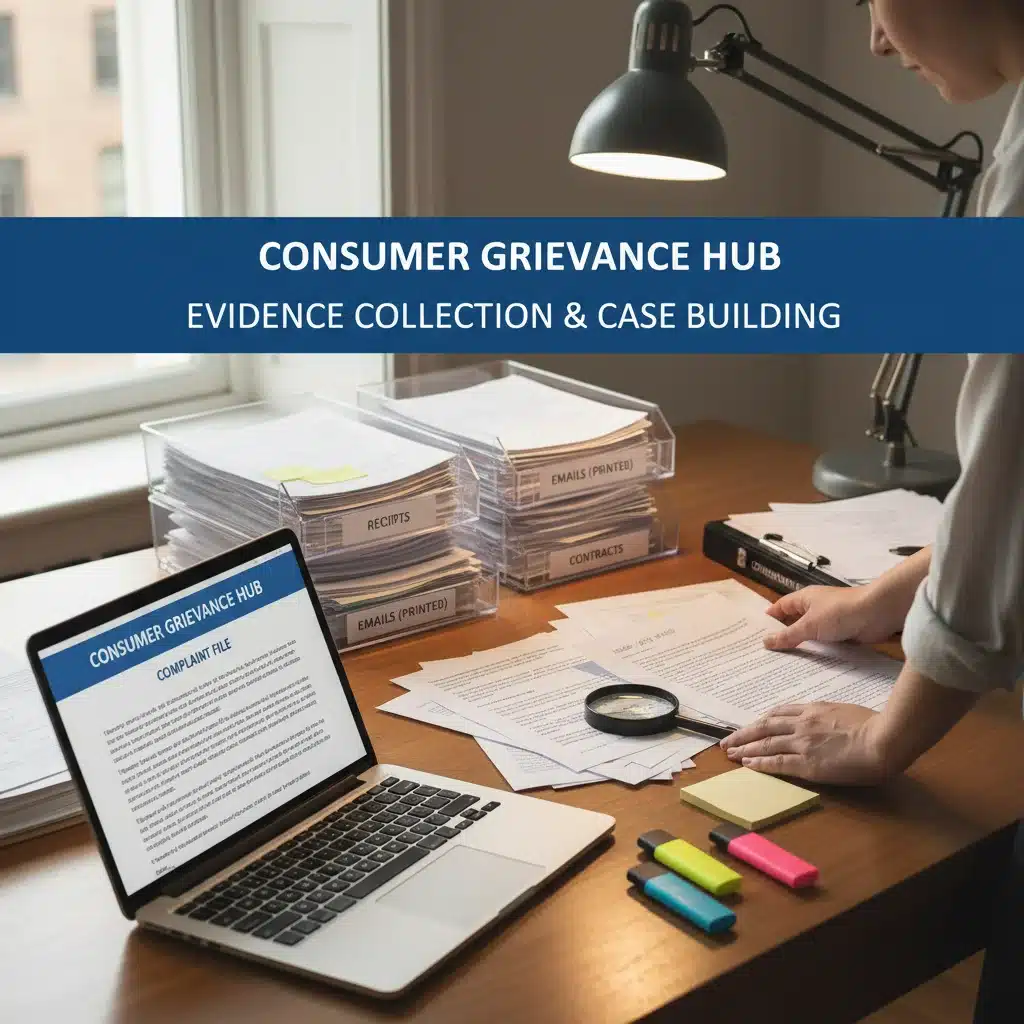
The success of any consumer complaint hinges on the thoroughness of your preparation. Before contacting anyone, compile all relevant details and documentation. Think of yourself as building a case – the more evidence you have, the stronger your position.
What to Collect:
- Detailed Account of the Problem: Write down a clear, concise narrative of what happened. Include dates, times, locations, and the names of any individuals you interacted with.
- Proof of Purchase: Receipts, order confirmations, contracts, invoices, warranty information, and bank statements.
- Communication Records: Emails, chat transcripts, call logs, letters, and notes from phone conversations (including dates, times, and names of representatives).
- Product/Service Details: Product models, serial numbers, service descriptions, advertisements, or any other materials related to the item or service in question.
- Photos or Videos: Visual evidence of defects, damages, or discrepancies can be incredibly persuasive.
- Witness Information: If anyone else witnessed the incident, gather their contact information and a brief statement.
- Desired Outcome: Clearly define what you expect as a resolution (e.g., refund, repair, replacement, apology, credit).
Organize this information systematically. A digital folder or a physical binder can help keep everything in order. This meticulous approach is a cornerstone of filing an effective consumer complaint.
Step 2: Contact the Business Directly First
In most cases, your first point of contact should be directly with the business involved. Many issues can be resolved quickly and efficiently at this stage. Start with the customer service department, but be prepared to escalate if necessary.
Tips for Direct Communication:
- Be Polite but Firm: Maintain a respectful tone, but clearly state your problem and desired resolution.
- Provide Specifics: Refer to your collected evidence (e.g., “According to my receipt from October 15th…”).
- Keep Records: Note down the date, time, name of the representative, and a summary of your conversation. Request a reference number for your inquiry if available.
- Follow Up in Writing: Even after a phone call, send a concise email summarizing the discussion and confirming any agreements made. This creates a paper trail.
- Escalate Internally: If customer service cannot resolve the issue, ask to speak with a supervisor or manager. If that doesn’t work, seek out contact information for higher-level management or the company’s executive office.
Give the business a reasonable timeframe to respond and resolve the issue, typically 7-14 business days. If you don’t receive a satisfactory response, it’s time to move to the next steps in your consumer complaint guide.
Step 3: Leverage Online Review Platforms and Social Media (Strategic Public Pressure)
While not a formal complaint channel, public platforms can sometimes prompt a quicker response from businesses, especially those sensitive to their public image. This is a strategic step, not a primary one, in your consumer complaint process.
How to Use Them Effectively:
- Review Sites: Post a factual, objective review on platforms like Yelp, Google Reviews, Better Business Bureau (BBB) profiles, or industry-specific review sites. State the problem clearly and what steps you’ve already taken to resolve it with the company.
- Social Media: Tag the company’s official accounts on platforms like X (formerly Twitter), Facebook, or Instagram. Keep your posts professional and focus on facts. Avoid emotional outbursts, which can undermine your credibility.
- Be Prepared for a Response: Companies often monitor these channels and may reach out to resolve your issue privately. If they do, be ready to provide your details and continue the conversation in a more private setting.
Remember, the goal here is to exert polite pressure, not to engage in a public rant. A well-articulated public statement can often accelerate the resolution of your consumer complaint.
Step 4: File a Formal Complaint with a Relevant Consumer Protection Agency
If direct communication and public pressure don’t yield results, it’s time to turn to official channels. The specific agency you contact will depend on the nature of your complaint. This is a critical step in ensuring your consumer complaint guide leads to tangible action.
Key Agencies and Their Purview:
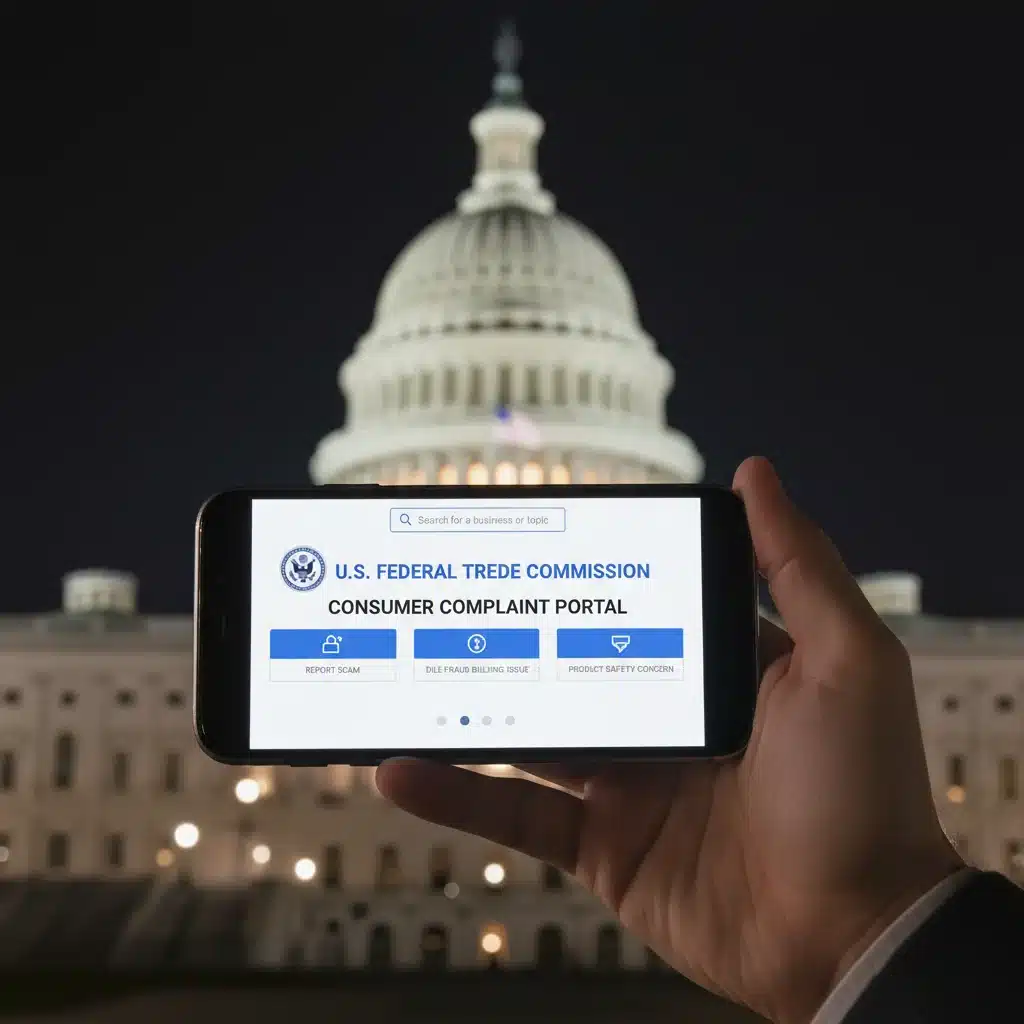
- Federal Trade Commission (FTC): Handles complaints about deceptive or unfair business practices, fraud, identity theft, and issues related to advertising, credit, and privacy. The FTC does not resolve individual complaints but uses them to identify patterns of misconduct.
- Consumer Financial Protection Bureau (CFPB): Focuses on financial products and services, including mortgages, credit cards, bank accounts, student loans, and debt collection. They can help resolve individual complaints.
- Better Business Bureau (BBB): While not a government agency, the BBB is a non-profit organization that helps resolve disputes between consumers and businesses. Many businesses value their BBB rating, making it an effective channel for resolution.
- State Attorney General’s Office: Each state has an Attorney General’s office with a consumer protection division. They handle a wide range of state-specific consumer issues and can often mediate disputes or take legal action against businesses.
- State and Local Consumer Protection Agencies: Many cities and counties have their own consumer affairs departments that can assist with local business disputes.
- Industry-Specific Regulators: Depending on the industry, there may be specific regulatory bodies:
- Department of Transportation (DOT): For airline complaints.
- Federal Communications Commission (FCC): For telecommunications, internet, and broadcasting complaints.
- State Insurance Departments: For insurance-related issues.
- State Licensing Boards: For complaints against licensed professionals (e.g., contractors, doctors).
When filing with an agency, be prepared to provide all the documentation and evidence you gathered in Step 1. Many agencies have online complaint forms, making the process relatively straightforward. Be patient, as these processes can take time.
Step 5: Consider Alternative Dispute Resolution (ADR) Options
If formal complaints don’t lead to a resolution, or if you want to avoid the complexities of litigation, Alternative Dispute Resolution (ADR) offers viable paths. ADR methods are often less formal, less expensive, and quicker than going to court.
Common ADR Methods:
- Mediation: A neutral third party facilitates communication and negotiation between you and the business to help you reach a mutually agreeable solution. The mediator does not make a decision but guides the process.
- Arbitration: A neutral third party hears both sides of the dispute and makes a decision. This decision can be binding (meaning you and the business must adhere to it) or non-binding. Arbitration is often specified in contracts, especially for larger purchases or services.
Many consumer protection agencies or industry associations offer ADR services. Check your original contract with the business; it might include clauses regarding mandatory arbitration or mediation. Understanding these options is a key part of a comprehensive consumer complaint guide.
Step 6: Legal Action (The Last Resort)
Taking legal action, such as filing a lawsuit, should generally be considered a last resort due to the time, cost, and complexity involved. However, for significant damages or persistent issues, it may be necessary.
Options for Legal Action:
- Small Claims Court: For disputes involving smaller monetary amounts (which vary by state, typically up to $5,000-$10,000), small claims court is a relatively simple and inexpensive option. You usually don’t need an attorney, and the process is designed to be accessible to individuals.
- Hiring an Attorney: For larger, more complex cases, consulting with a consumer law attorney is advisable. They can assess your case, explain your options, and represent you in court. Many attorneys offer free initial consultations.
- Class Action Lawsuits: If many consumers have been harmed by the same business practice, a class-action lawsuit might be an option. These are typically initiated by attorneys on behalf of a group of affected individuals.
Before pursuing legal action, weigh the potential costs against the expected benefits. A consumer complaint guide wouldn’t be complete without acknowledging this final, powerful step.
Tips for Maximizing Your Consumer Complaint’s Effectiveness
Beyond the step-by-step process, several overarching strategies can significantly improve your chances of a successful resolution:
- Be Persistent (but not Aggressive): Follow up regularly but always maintain a professional demeanor. Persistence shows you are serious about resolving the issue.
- Be Clear and Concise: Clearly articulate the problem, the impact it has had on you, and your desired resolution. Avoid emotional language; stick to the facts.
- Know Your Desired Outcome: Before you initiate any complaint, decide what a satisfactory resolution looks like for you. This clarity will guide your negotiations.
- Set Realistic Expectations: While you deserve a fair resolution, not every complaint will result in a full refund or exactly what you want. Be open to compromise.
- Document Everything: We cannot stress this enough. Every call, every email, every interaction – keep a record. This documentation is your strongest ally.
- Understand Company Policies: Familiarize yourself with the company’s return, refund, or service policies. This knowledge can strengthen your argument.
- Research Similar Complaints: See if other consumers have experienced similar issues with the same business. This can provide valuable insights and leverage.
Applying these tips throughout your consumer complaint journey will enhance your effectiveness and increase the likelihood of a positive outcome. This is more than just a consumer complaint guide; it’s a strategy for empowerment.
Preventative Measures: Avoiding Future Consumer Complaints
While knowing how to file a complaint is essential, preventing issues in the first first place is even better. Here are some proactive steps consumers can take:
- Read Reviews: Before making a significant purchase or committing to a service, research the company’s reputation and read customer reviews.
- Understand Terms and Conditions: Always read the fine print, especially for contracts, warranties, and service agreements.
- Compare Prices and Services: Don’t jump at the first offer. Shop around and compare options from different providers.
- Keep Records Organized: Maintain a system for organizing receipts, warranties, and important documents.
- Use Secure Payment Methods: Credit cards often offer more consumer protection than debit cards, especially for fraudulent charges.
- Be Wary of Scams: Stay informed about common consumer scams and learn how to identify red flags.
By adopting these preventative measures, you can significantly reduce the need to use this consumer complaint guide in the future.
The Evolving Landscape of Consumer Protection in 2026
As we move further into 2026, the landscape of consumer protection continues to evolve. Digital transactions, AI-driven customer service, and new technologies introduce both opportunities and challenges for consumers. Agencies are adapting to address issues related to data privacy, algorithmic bias, and increasingly sophisticated online fraud.
Stay informed about changes in consumer law and the activities of consumer protection agencies. Subscribing to newsletters from the FTC or CFPB can keep you updated on new regulations and emerging threats. Your ongoing awareness is a crucial part of being an empowered consumer in the modern era.
Conclusion: Empowering Your Voice
Filing an effective consumer complaint can seem daunting, but by following this step-by-step guide, US residents in 2026 can confidently navigate the process. From meticulous preparation and direct communication to leveraging official agencies and considering legal avenues, every step is designed to empower your voice and secure a just resolution.
Remember, your consumer rights are protected, and you have the power to hold businesses accountable. Don’t let frustration deter you. With persistence, clear communication, and the right information, you can achieve a satisfactory outcome and contribute to a fairer marketplace for everyone. This consumer complaint guide is your essential tool for making your voice heard and making a difference.
