Product Recalls 2026: Identifying Dangerous Goods & Securing Your Refund
Anúncios
In an increasingly globalized and complex marketplace, product recalls have become an unfortunate but necessary safety mechanism. As we move further into 2026, understanding how to navigate these situations is more critical than ever. From faulty electronics to contaminated food and unsafe children’s toys, dangerous goods can pose significant risks to consumers. This comprehensive guide will equip you with the knowledge to identify recalled products, understand your consumer rights, and effectively secure the refunds or replacements you are entitled to. We’ll delve into the nuances of product recalls 2026, ensuring you’re prepared for any eventuality.
The landscape of product safety is constantly evolving, with new regulations, technologies, and manufacturing processes influencing how products are brought to market and, crucially, how they are recalled when issues arise. Staying informed is your first line of defense against potential harm and financial loss. Our focus on product recalls 2026 highlights the time-sensitive nature of these events and provides actionable steps for every consumer.
Understanding Product Recalls 2026: What You Need to Know
A product recall occurs when a manufacturer or regulatory agency discovers that a product poses a safety risk or is defective. This can range from minor flaws to severe hazards that could cause injury, illness, or even death. In 2026, the speed and scope of recalls are influenced by advanced tracking technologies and increased public awareness, making it easier for information to disseminate quickly but also requiring consumers to be vigilant.
Why Do Products Get Recalled?
Several factors can lead to product recalls. Understanding these can help you better anticipate potential issues:
- Design Flaws: Issues inherent in the product’s design that make it unsafe.
- Manufacturing Defects: Errors that occur during the production process, leading to a faulty batch of products.
- Contamination: Particularly relevant for food and pharmaceutical products, where foreign substances or harmful bacteria are present.
- Mislabeling or Inaccurate Instructions: When product labels or instructions are misleading, incomplete, or incorrect, leading to misuse or allergic reactions.
- Failure to Meet Safety Standards: Products that do not comply with national or international safety regulations.
- Unexpected Hazards: Risks that were not foreseen during the design or testing phase, often discovered after consumer use.
The regulatory bodies responsible for overseeing product safety vary by region and product type. For instance, in the United States, agencies like the Consumer Product Safety Commission (CPSC), the Food and Drug Administration (FDA), and the National Highway Traffic Safety Administration (NHTSA) play crucial roles. Similar bodies exist globally, working to ensure public safety. Being aware of the specific agencies relevant to the products you purchase is a key step in staying informed about product recalls 2026.
Identifying Dangerous Goods: Your First Line of Defense
Proactive identification is crucial. While official recall announcements are the primary source of information, developing a keen eye for potential dangers can protect you and your family. Here’s how to identify dangerous goods before they become a serious problem:
Staying Informed About Product Recalls 2026
The digital age offers numerous avenues for staying updated on product recalls:
- Official Government Websites: Regularly check the websites of relevant regulatory bodies (e.g., CPSC, FDA, NHTSA in the US; Health Canada; European Safety Gate). These sites are updated frequently with the latest product recalls 2026 information.
- Manufacturer Websites and Social Media: Many companies directly announce recalls on their official websites and social media channels. Consider subscribing to newsletters from brands you frequently purchase.
- News Outlets and Consumer Advocacy Groups: Reputable news organizations and consumer watchdog groups often report on significant recalls, providing additional context and advice.
- Product Registration: Registering your products with the manufacturer can ensure you receive direct notifications if a recall is issued for that specific item.
- Retailer Notifications: Many retailers maintain databases of customer purchases and may notify you directly if a product you bought from them is recalled. Always provide accurate contact information during purchases.
What to Look For in a Product
Beyond official announcements, certain red flags can indicate a potentially dangerous or defective product:
- Unusual Odors or Sounds: Electrical products emitting burning smells or strange noises, or food items with an unusual odor.
- Visible Damage or Wear: New products that show signs of damage, poor construction, or premature wear.
- Malfunctioning Components: Parts that don’t fit correctly, buttons that stick, or safety features that don’t engage properly.
- Overheating: Electronic devices that become excessively hot during normal use.
- Allergic Reactions (for cosmetics/food): Unexpected or severe allergic reactions after using a new product, especially if you have no known allergies to its listed ingredients.
- Lack of Proper Labeling: Absence of safety certifications, manufacturing dates, ingredient lists, or clear usage instructions.
If you suspect a product is dangerous, even if it hasn’t been officially recalled, stop using it immediately and consider reporting your concerns to the relevant consumer protection agency. Your report could be instrumental in initiating a product recall 2026, protecting others from harm.
Your Consumer Rights During Product Recalls 2026
When a product is recalled, you, as a consumer, have specific rights designed to protect you from financial loss and potential harm. These rights vary slightly by jurisdiction but generally revolve around the principle of receiving a satisfactory remedy. Knowing your rights is essential for navigating the recall process effectively and securing your rightful compensation.
Common Remedies for Recalled Products
The most common remedies offered for recalled products include:
- Full Refund: The manufacturer or retailer is obligated to provide a full refund for the purchase price of the recalled item.
- Replacement Product: You may be offered a new, non-defective version of the product, or a comparable alternative.
- Repair: In some cases, especially for more complex or expensive items, the manufacturer may offer to repair the defective part of the product.
- Credit or Voucher: Less common, but sometimes offered, especially if the product is no longer manufactured or readily available.
It’s important to note that the specific remedy offered can depend on the severity of the defect, the nature of the product, and regulatory requirements. Always check the official recall notice for the specific remedy being provided for product recalls 2026.
Documentation is Key
To ensure a smooth process when claiming your refund or replacement, proper documentation is paramount. Keep the following records:
- Proof of Purchase: Receipts, order confirmations, credit card statements, or bank statements showing the transaction.
- Product Itself: Do not discard the recalled product unless specifically instructed to do so. You might need to return it.
- Recall Notice: A copy of the official recall announcement.
- Communication Records: Keep a log of all communications with the manufacturer or retailer, including dates, names of representatives, and summaries of conversations.
Even if you no longer have the original receipt, some retailers or manufacturers might still honor your claim, especially for widespread product recalls 2026 where the defect is undeniable. It’s always worth attempting to contact them with any available proof of ownership.
Securing Your Refund or Replacement: A Step-by-Step Guide
Once you’ve identified a product you own as part of product recalls 2026, the next step is to initiate the process of securing your refund or replacement. Following a structured approach can help you navigate this efficiently.
Step 1: Verify the Recall and Your Product
Double-check the recall notice to confirm that your specific product is affected. Pay close attention to model numbers, serial numbers, manufacturing dates, and batch codes. These details are crucial, as a recall might only apply to a certain production run.
Step 2: Follow the Manufacturer’s Instructions
The official recall notice will provide specific instructions on how to proceed. This usually involves:
- Stopping Use: Immediately cease using the product to prevent any further risk.
- Contacting the Manufacturer or Retailer: The notice will provide contact information (phone numbers, email addresses, dedicated recall websites).
- Returning the Product: You may be asked to return the product to the place of purchase, ship it directly to the manufacturer, or even dispose of it safely after providing proof (e.g., a photo of the destroyed item).
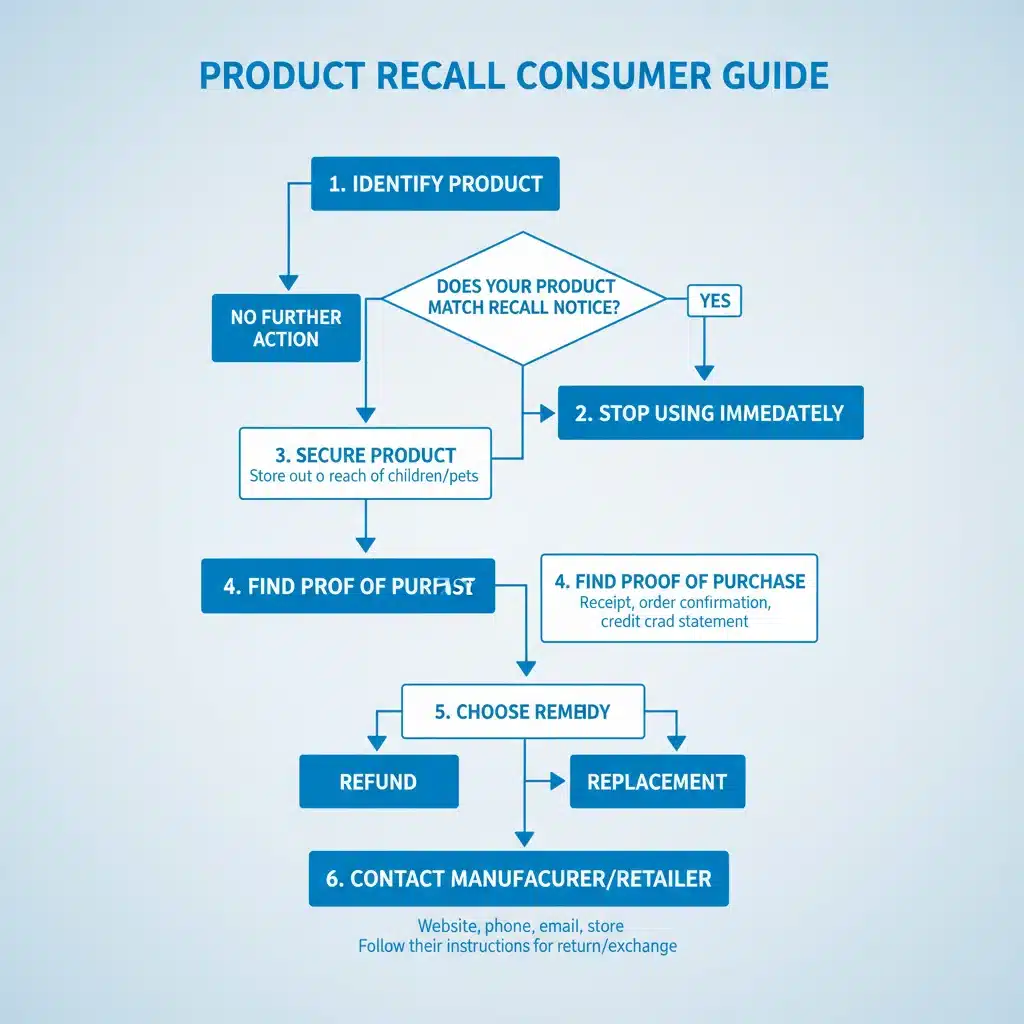
Step 3: Provide Necessary Documentation
As mentioned, have your proof of purchase and any other requested documentation ready. Be prepared to provide details about the product, including its model and serial number. Clear and accurate information will expedite your claim for product recalls 2026.
Step 4: Follow Up
If you don’t receive a timely response or your refund/replacement within the timeframe specified in the recall notice (or a reasonable period), follow up. Refer to your communication records and be persistent but polite. Most companies aim to resolve recalls swiftly to protect their reputation and avoid further legal issues.
What if the Manufacturer or Retailer is Unresponsive?
If you encounter difficulties or an uncooperative response, escalate your concern. You can:
- Contact Consumer Protection Agencies: Report the issue to your local or national consumer protection agency. They can often mediate or provide legal guidance.
- Seek Legal Advice: For significant issues or if you’ve suffered harm, consulting with a legal professional specializing in product liability might be necessary.
- Utilize Online Forums and Social Media: Sometimes, public pressure can prompt a quicker response, but always ensure your posts are factual and respectful.
Remember, your consumer rights are legally protected, and you should not be made to feel responsible for a manufacturer’s defect or oversight. Persistence is key in securing your due during product recalls 2026.
Preventing Future Exposure to Dangerous Goods
While reacting to product recalls 2026 is important, taking steps to prevent exposure to dangerous goods in the first place is even better. Smart shopping habits and a critical eye can significantly reduce your risk.
Smart Shopping Practices
- Research Before You Buy: Before making a significant purchase, especially for items like electronics, baby products, or appliances, read reviews and check for any reported safety issues or past recalls associated with the brand or product type.
- Buy from Reputable Retailers and Brands: Purchasing from established stores and well-known brands often provides a layer of assurance regarding product quality and safety standards. While even major brands have recalls, they typically have better recall processes.
- Avoid Counterfeit Goods: Counterfeit products are often made with substandard materials and lack proper safety testing, making them inherently dangerous. Be wary of deals that seem too good to be true, especially from unofficial sellers.
- Check for Safety Certifications: Look for recognized safety certifications and marks (e.g., UL, CE, ASTM, CSA) on products. These indicate that the product has met certain safety standards.
- Read Labels and Instructions: Always read product labels and instructions carefully before use. Pay attention to warnings, age restrictions, and proper usage guidelines.
Educating Yourself and Your Family
Knowledge is power. Educate yourself and your family members about common product hazards and the importance of reporting concerns. Teach children about safe toy usage and the dangers of ingesting non-food items. For older family members, ensure they know how to check for product recalls 2026 and what steps to take.
Regularly review your household items, especially those used by vulnerable populations like children and the elderly, for any signs of wear, damage, or malfunction that could lead to a safety issue. This proactive approach complements the reactive measures of dealing with product recalls 2026.
The Impact of Product Recalls 2026 on Manufacturers and the Economy
Product recalls are not just a consumer issue; they have profound implications for manufacturers, retailers, and the broader economy. For companies, a recall can be devastating, leading to significant financial losses from remediation costs, lost sales, and legal fees. Beyond the immediate financial impact, recalls can severely damage a brand’s reputation, erode consumer trust, and result in long-term market share decline. The ripple effect can extend to supply chains, affecting suppliers, distributors, and even raw material providers.
In 2026, with instantaneous global communication and highly interconnected markets, the speed at which news of product recalls spreads can amplify these impacts. Companies are increasingly investing in robust quality control systems, product traceability technologies, and crisis management plans to mitigate these risks. The focus is shifting towards prevention and rapid response to minimize the fallout from product recalls 2026.
Case Studies: Lessons from Recent Product Recalls (Leading up to 2026)
Examining past product recalls offers valuable insights into common pitfalls and effective responses. While specific examples for 2026 are yet to unfold, trends from recent years highlight recurring themes:
- Automotive Recalls: Continually a major category, often involving critical safety components like airbags, brakes, or steering systems. These recalls underscore the importance of regular vehicle maintenance and staying updated on manufacturer advisories.
- Food Safety Recalls: Contamination by bacteria (e.g., Salmonella, E. coli), undeclared allergens, or foreign objects remain persistent issues. The rapid spread of food products means these recalls can be vast and require swift action to prevent widespread illness.
- Children’s Product Recalls: Toys, cribs, and other child-related items are frequently recalled due to choking hazards, strangulation risks, or chemical exposure. These are particularly sensitive due to the vulnerability of children.
- Electronic Device Recalls: Overheating batteries, fire hazards, or electric shock risks continue to be concerns in the fast-paced electronics industry.
Each product recall, regardless of its scale, serves as a stark reminder of the complexities of modern manufacturing and the critical role of vigilant consumerism. By learning from these instances, both consumers and manufacturers can work towards a safer product environment in 2026 and beyond.
The Role of Technology in Product Recalls 2026
Technology is rapidly transforming how product recalls are managed and communicated. In 2026, we see an increased reliance on digital tools to enhance efficiency and reach:
- AI and Data Analytics: Manufacturers are using AI to analyze vast datasets from customer feedback, warranty claims, and social media to identify potential product issues earlier, sometimes even before a recall becomes necessary. Predictive analytics can flag anomalies in production batches.
- Blockchain for Traceability: Especially in the food and pharmaceutical sectors, blockchain technology is offering unprecedented levels of transparency and traceability. This allows for pinpointing the exact origin of a contaminated ingredient or defective component, leading to more targeted and less disruptive recalls.
- Personalized Digital Notifications: Beyond traditional media, consumers are receiving recall alerts directly through apps, smart home devices, and personalized emails, often based on their purchase history or registered products.
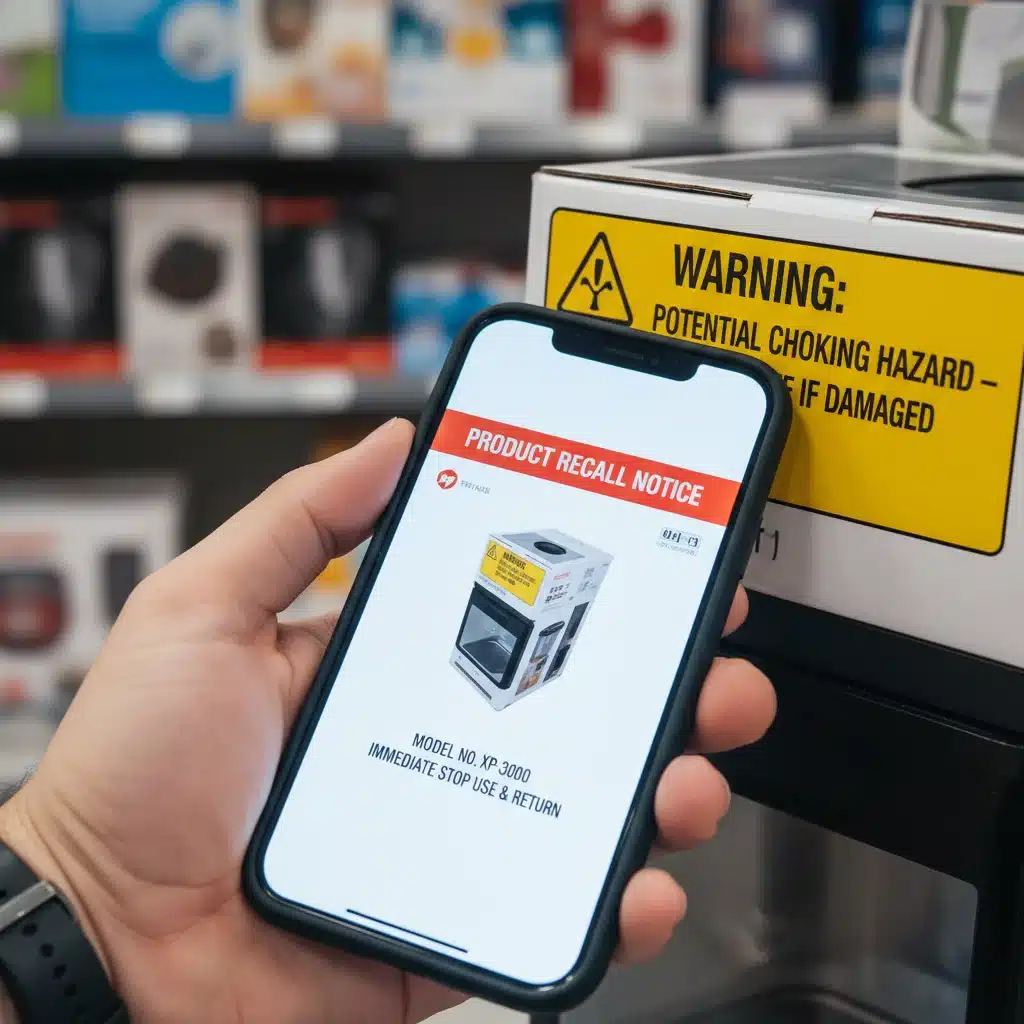
- QR Codes and NFC Tags: Products are increasingly embedded with QR codes or NFC tags that, when scanned, can provide instant access to product information, including any active recall notices. This makes it easier for consumers to check a product’s status on the spot.
These technological advancements mean that information about product recalls 2026 can travel faster and be more precise, placing greater responsibility on both manufacturers to implement these systems and consumers to utilize them.
Conclusion: Empowering Yourself in the Era of Product Recalls 2026
Navigating the world of product recalls 2026 requires a blend of awareness, diligence, and proactive engagement. While manufacturers bear the primary responsibility for producing safe goods, consumers play a vital role in identifying issues, reporting concerns, and asserting their rights when recalls occur. By staying informed through official channels, understanding your consumer protections, and knowing the steps to secure a refund or replacement, you can effectively protect yourself and your loved ones from dangerous goods.
The marketplace will continue to evolve, and with it, the challenges of product safety. However, armed with the knowledge and strategies outlined in this guide, you can approach product recalls 2026 with confidence, ensuring that safety remains a top priority in your purchasing decisions and household management. Remember, your vigilance contributes not only to your personal safety but also to the broader landscape of consumer protection.
Stay safe, stay informed, and always advocate for your rights as a consumer. The proactive approach to product recalls 2026 is your best defense.
